
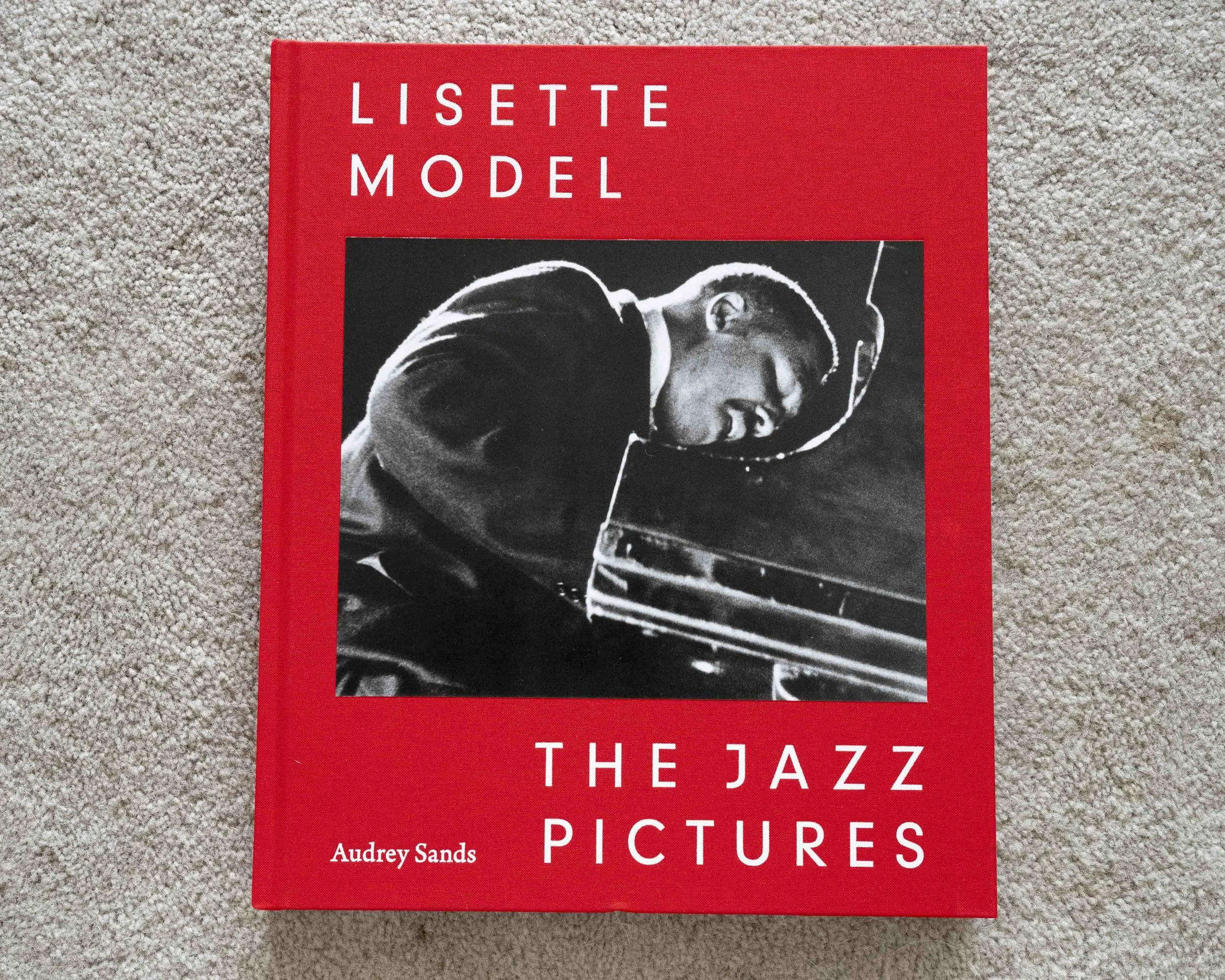
I first met Audrey Sands at the Center for Creative Photography’s Legacy of LIGHT symposium in 2020. At the time she was the Norton Family Assistant Curator of Photography at the CCP as well at the Phoenix Art Museum. I did not know much about her but as I watched her assist Becky Senf and interact with others she stood out. It is a little hard to describe but she seemed organized and comfortable interacting with people. I followed her on Instagram after the symposium because it was obvious she was going places. A year ago, she became the Associate Curator of Photography at The Harvard Art Museums.
Last December I saw her post about the release of her new book “Lisette Model – The Jazz Pictures”. The book looked incredible, so I set out to get a copy. It took a little time because I wanted to get a signed copy, but I was able to make that happen and I received the book recently. The book exceeded my expectations.
The book was published by Eakins Press in NYC and printed and bound at Graphius in Belgium. The quality of the book is outstanding. Beautiful printing, nice heavy papaer, and good binding. The design is outstanding too. I love the bright red of the cover and the layout of the pages. Sands edited the book with Eakins Press’s Peter Kayafas. The Design was by Julie Fry. The book is 12” x 10” Cloth Bound Hardcover with 240 Pages, 316 Duo Tone images and 25 Color illustrations.
I know Audrey has collaborated on other book projects, but I am confident this is her first individual title. Especially since she noted in the book that she worked on this project for ten years. Audrey had to go to multiple locations to find images and documents for this book. She did an outstanding job completing Model’s book without a roadmap left behind by Model.
The thing I like most about this book is that it reveals Lisette Model’s process. Whenever I can see proof sheets of working prints I can see how a photographer photographs. Final prints show me their printing and editing skills.
I found it interesting that Model began the project photographing assignments for Harpers Bazar in the 1940’s and returned to the project later. It that the subject interested her and mattered to her. It is very interesting that Model wanted to publish this portfolio as a book but never did so because of the political climate of her era. That fact highlights the shifts that have occurred since then. That really stood out for me because I had a similar experience and I am waiting to publish certain portfolios.
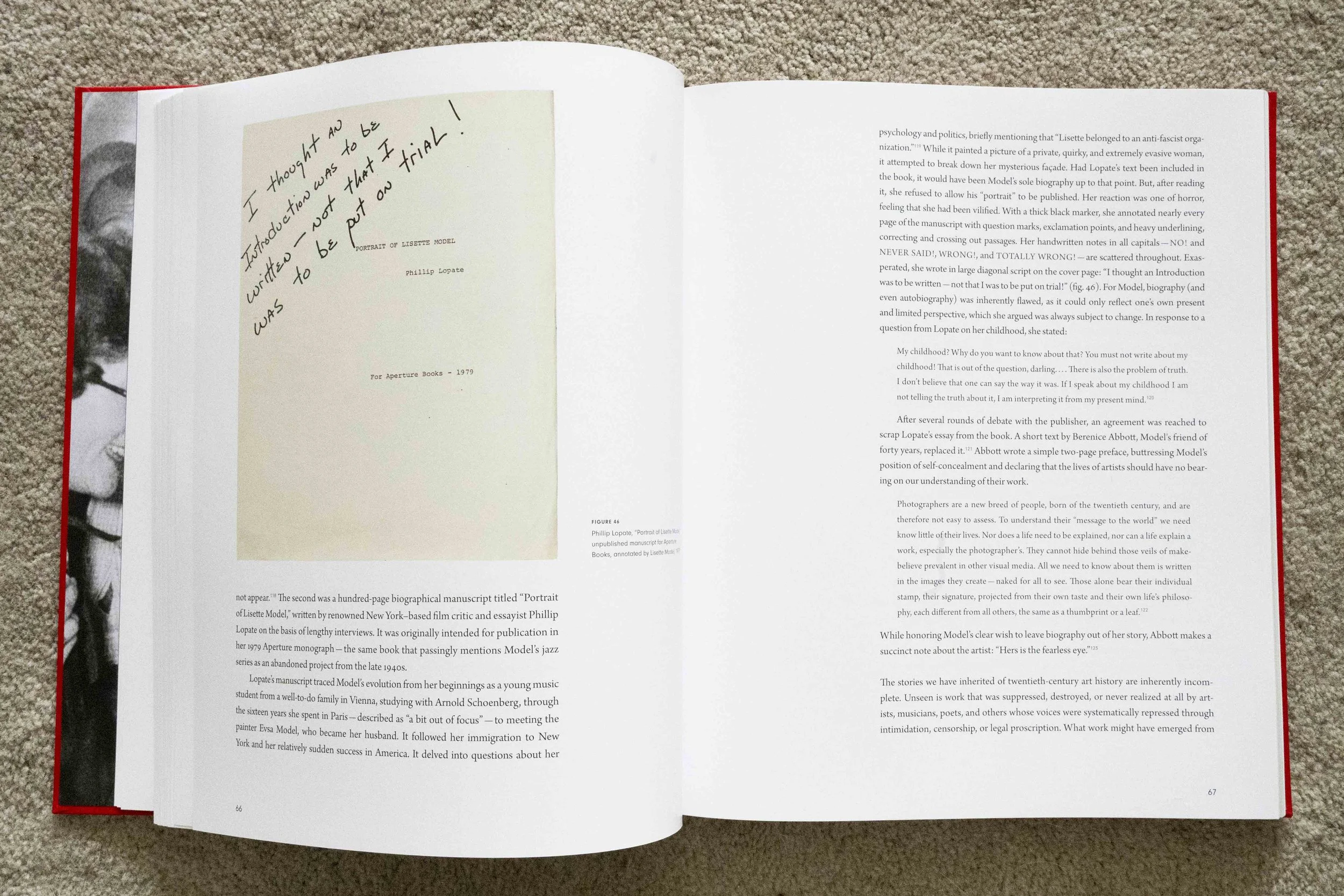
I think Model’s images of Billie Holiday are some of the strongest in this portfolio. Obviously, Holliday was dynamic so that helps a photographer. But I thought Model’s photographs of Holliday in her coffin were good. I was surprised that Audrey had documentation that Model was mostly unhappy with these photographs. But finding out that Model was bothered by being rushed, with a 3 minute limit to photograph, and having to work in poor lighting conditions gave me more insight into Model. She took pride in her craft she wanted her images to be near perfect as possible. I noticed in the book that Holliday’s funeral was on July 20, 1959, in New York City. This made me curious about one other factor that may have affected Model that day, the weather. I did an online search and confirmed that it was hot and humid that day. I have been in NYC when it is hot and humid, not the best conditions to photograph in especially since I assume she was dressed appropriately for a funeral service. The fact Model was allowed to photograph Holliday in her coffin at all shows that Model had earned trust with Holliday’s people in the time prior to her passing.
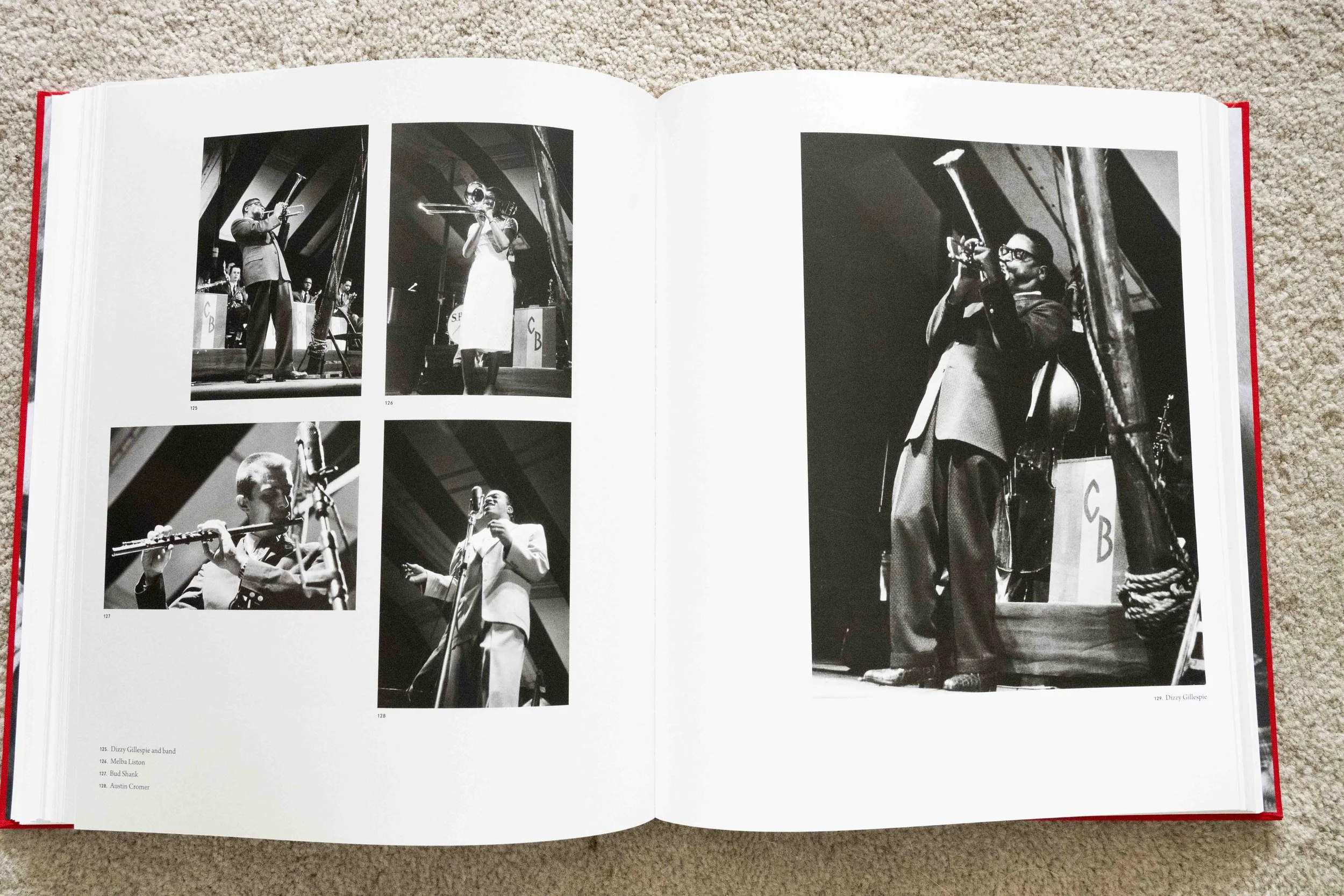
Lisette Model’s photographs are a great documentation of her period. I like a lot of the images, but I have to acknowledge that like W. Eugene Smith’s Jazz Loft Project more. Model is often photographed from a lower vantage point. In one photograph in the book she stood on a chair to photograph and she looked short. With that vantage point the instruments often blocked the faces of the perform not outstanding bers. Smith’s photographs don’t have that. Seeing a photographer’s different portfolios always gives us a better understanding of who they are.
Some of the Model’s photographs in the book are not outstanding but by including them in thee book it gives the reader a better understanding of her process. I love looking at a photographer’s proof-sheets, it tells the truth about the photographer. I know that the majority of images won’t be good, but the totality of images has so much information when viewed as a group.
This book gave me a better appreciation for the breadth of her work.
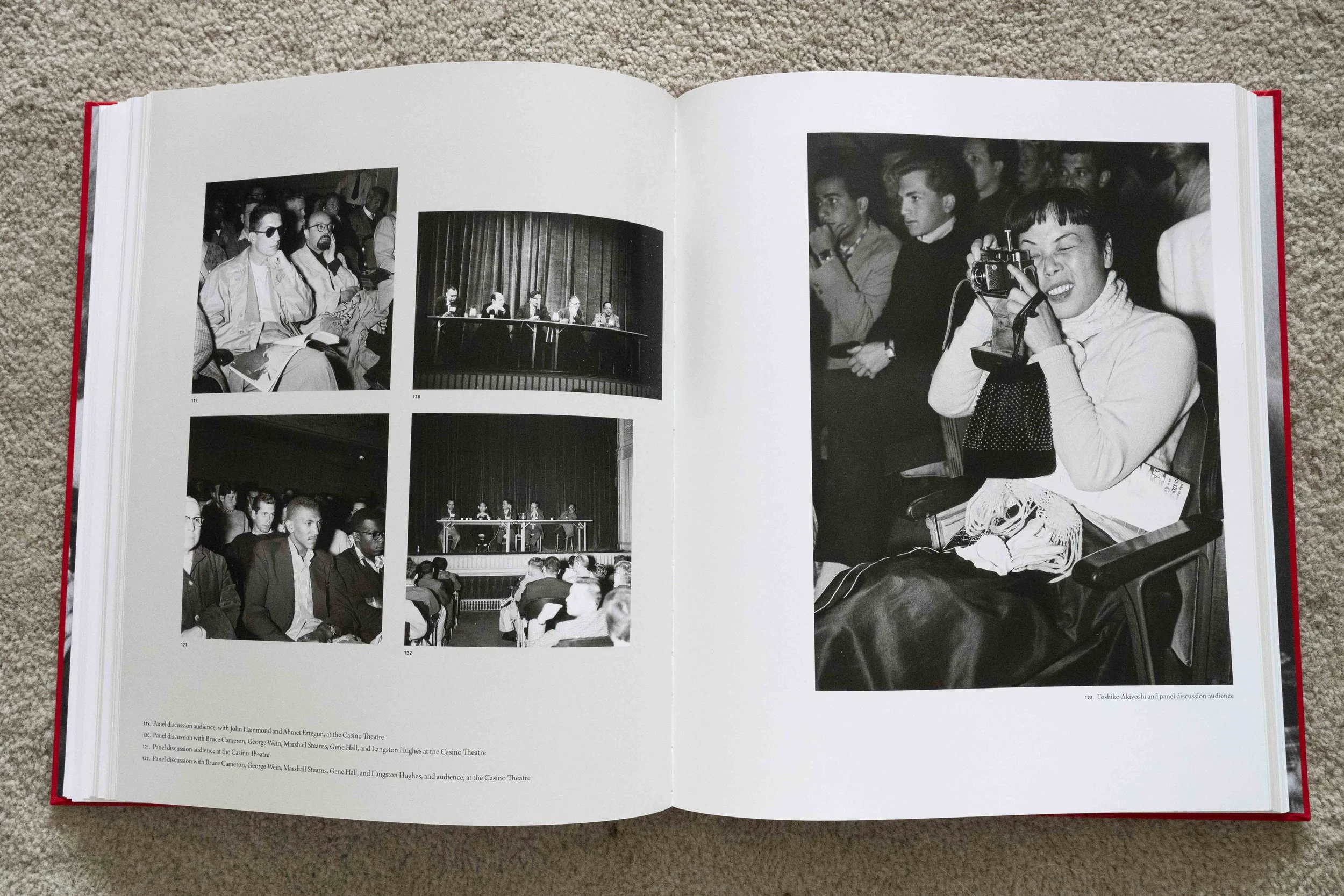
I love the photo of her by WeeGee . It took me a minute to realize she had a net bag over her shoulder loaded with flash bulbs – More people newere to the medium need to understand what it took to make images in the preceding years. They also need to understand what good prints look like, not just an Instagram swipe.
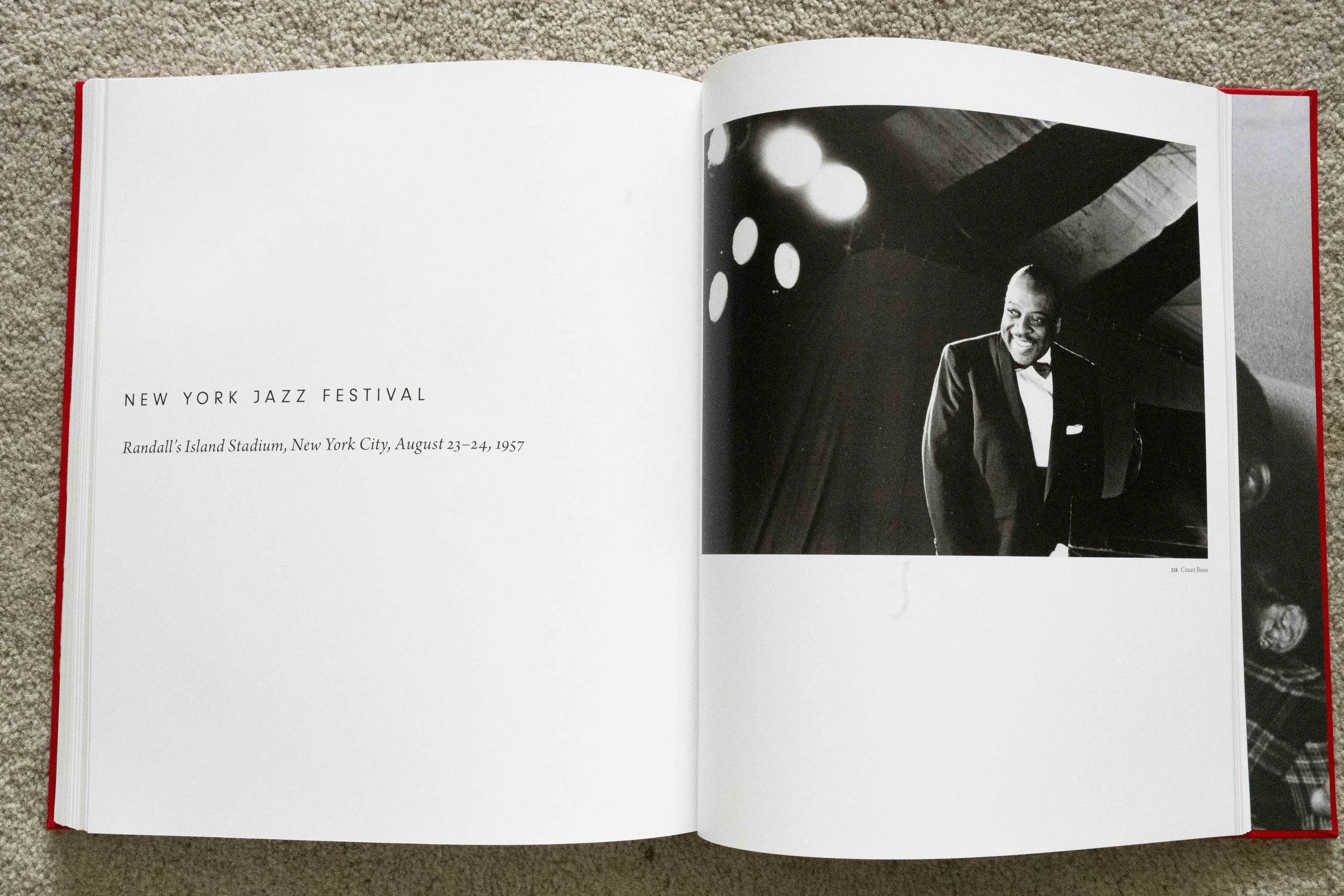
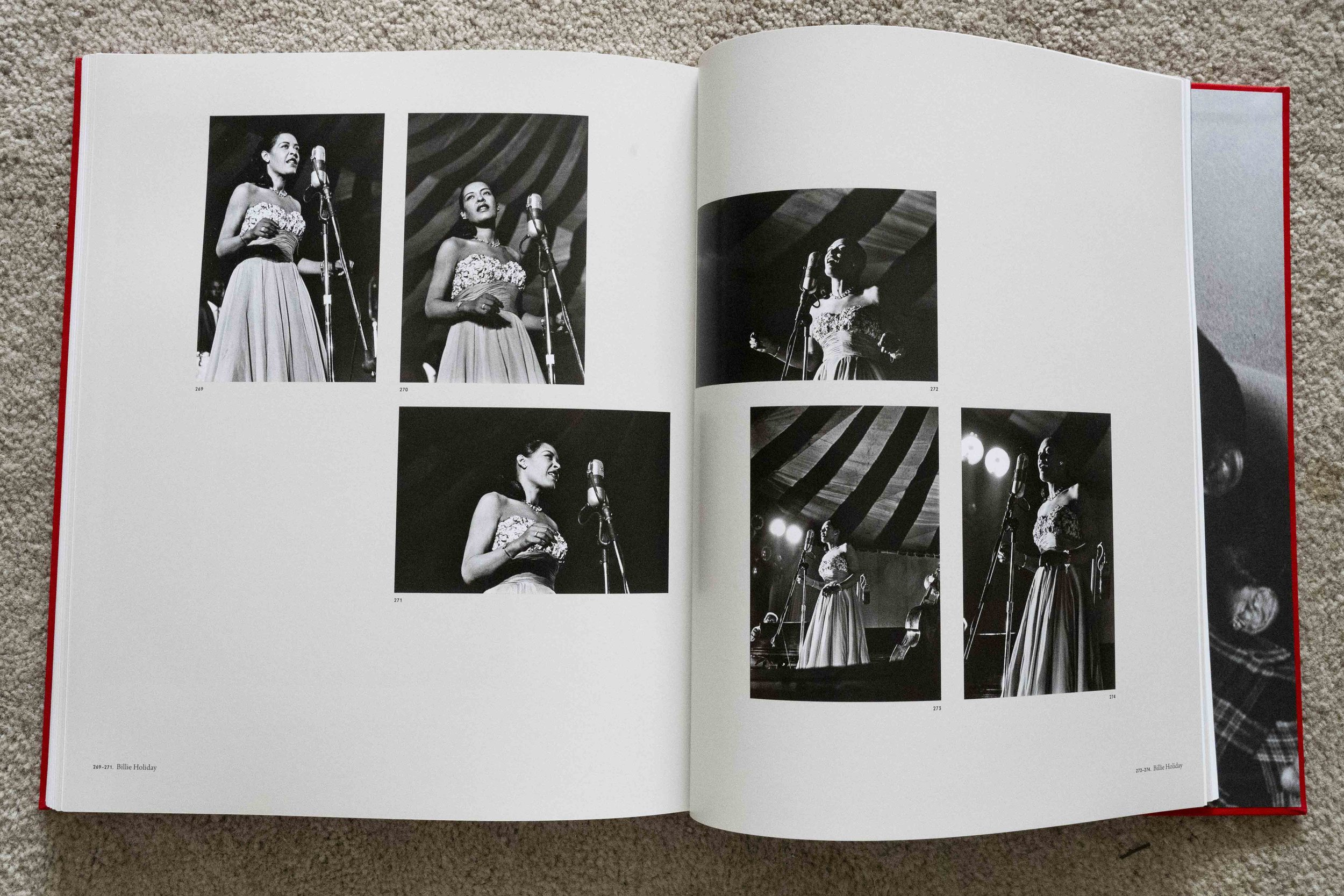
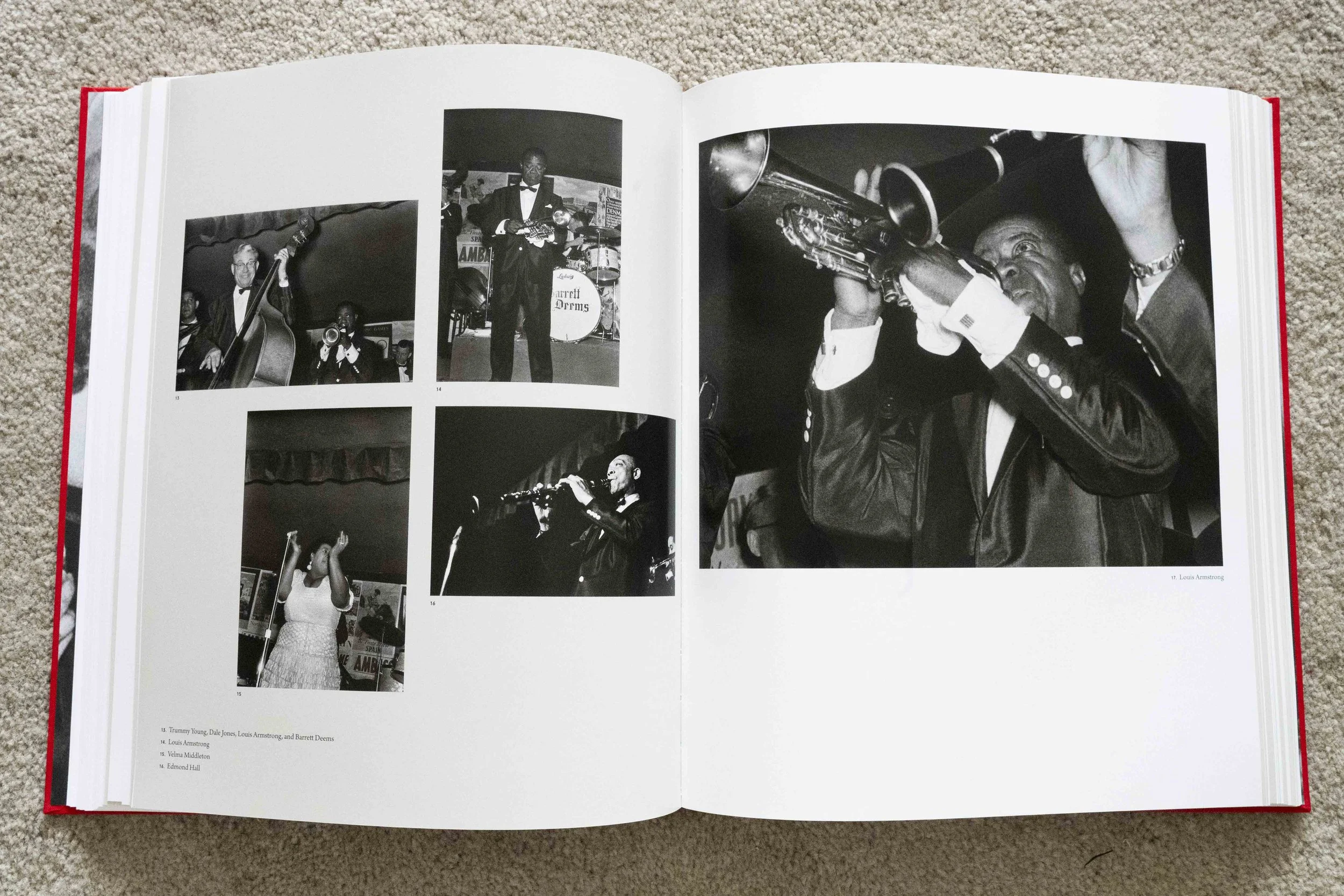
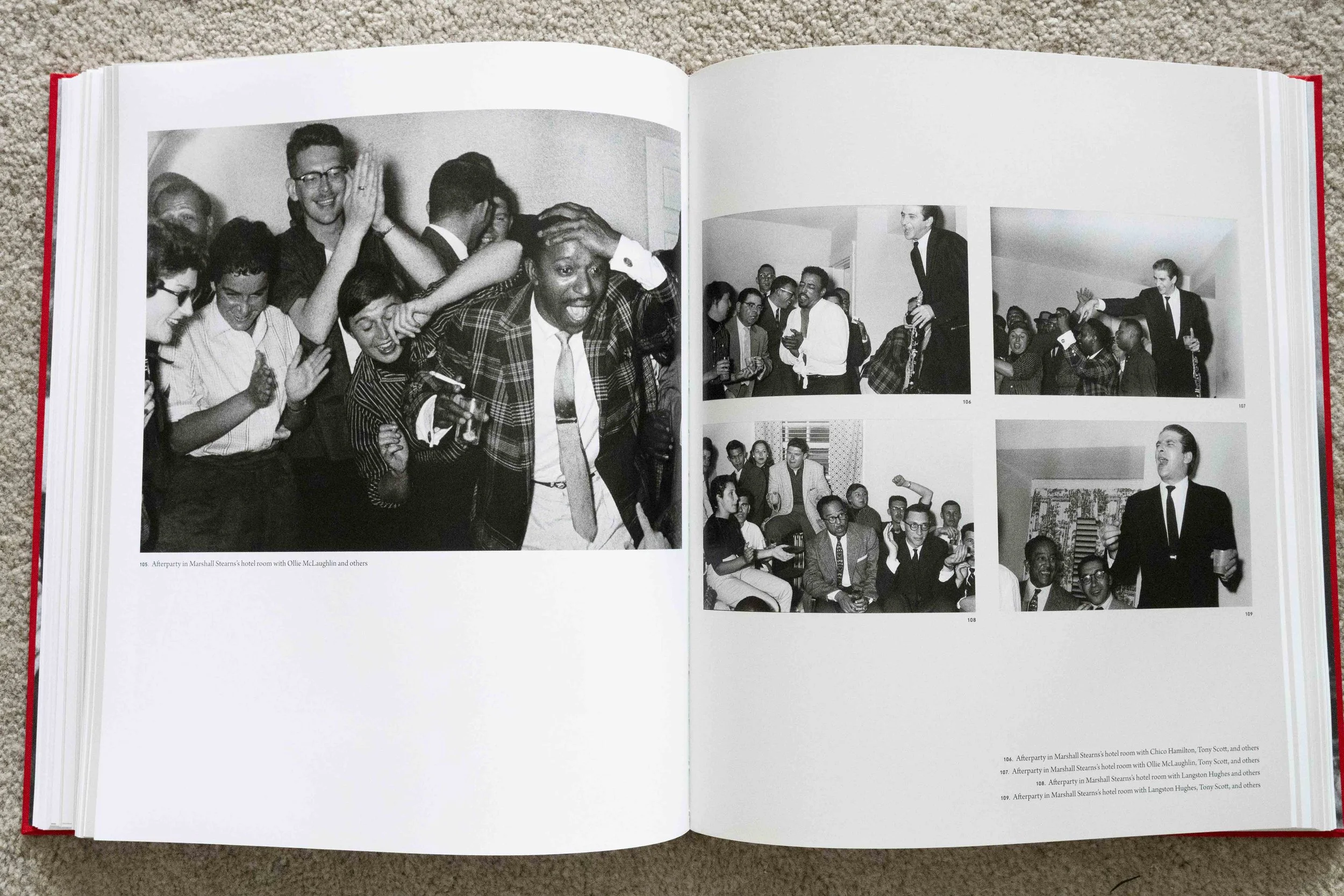
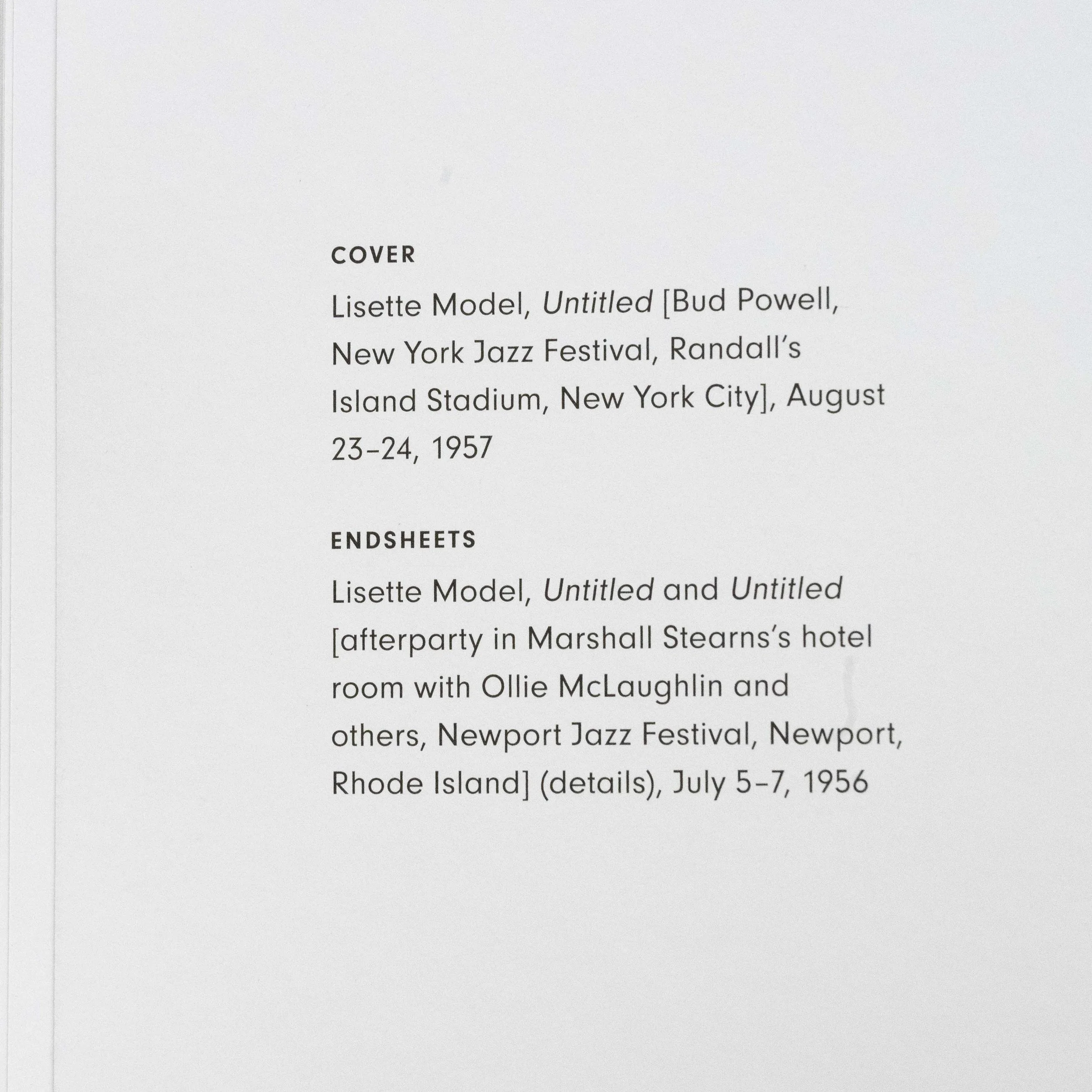
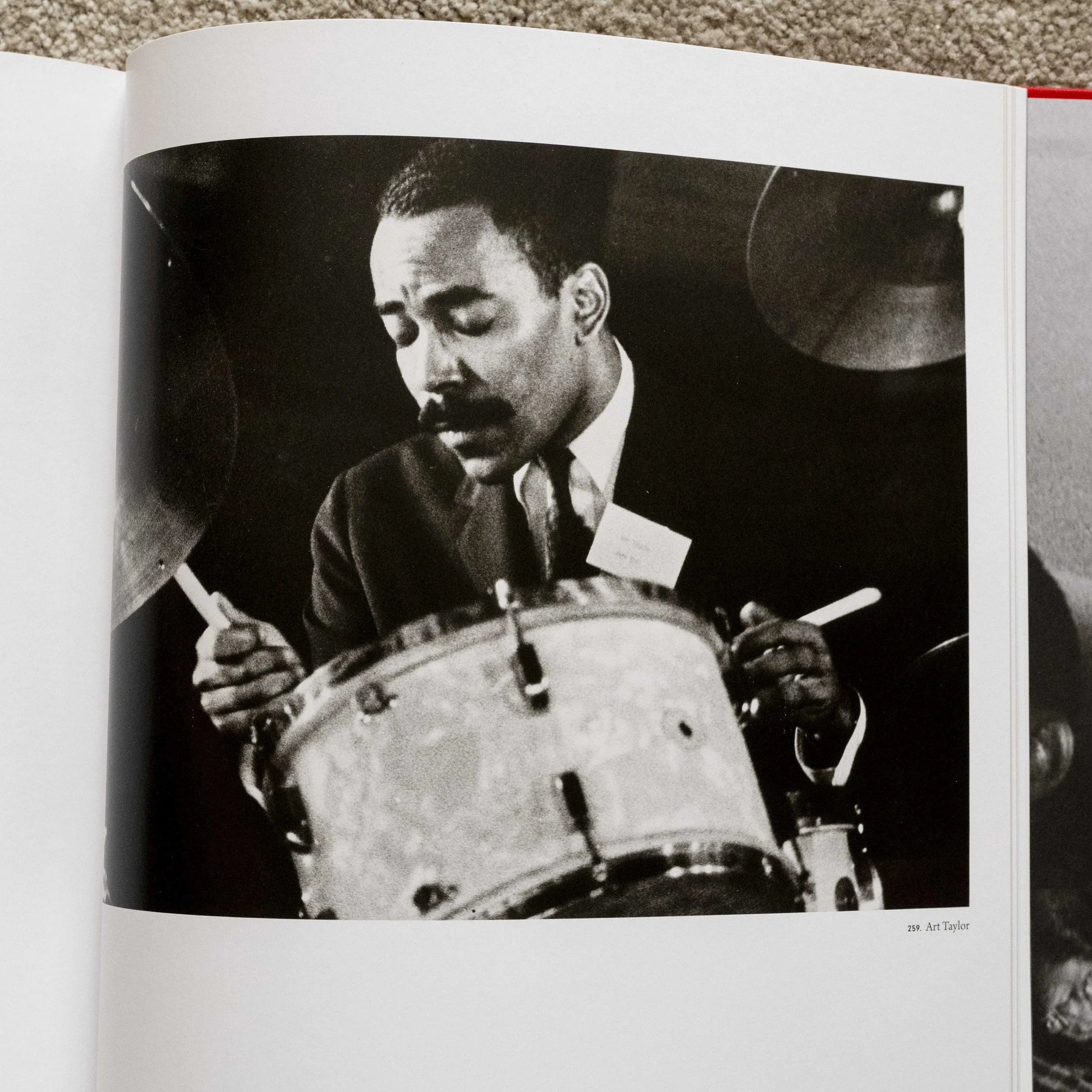
Eakins Press
I have two other books by Eakins Press in my library: Lee Friedlander – The People Pictures (2021) and Lee Friedlander’s Prayer Pilgrimage for Peach (2015). Those books are also very good and each gives insight into Friedlander’s “process” because they show so many images from a relatively short time period. The Eakins Press Foundation the press. The Foundation is a not-for profit organization whose purpose is the advancement of literature and art through excellent presentation. They met their mission standards with this book.
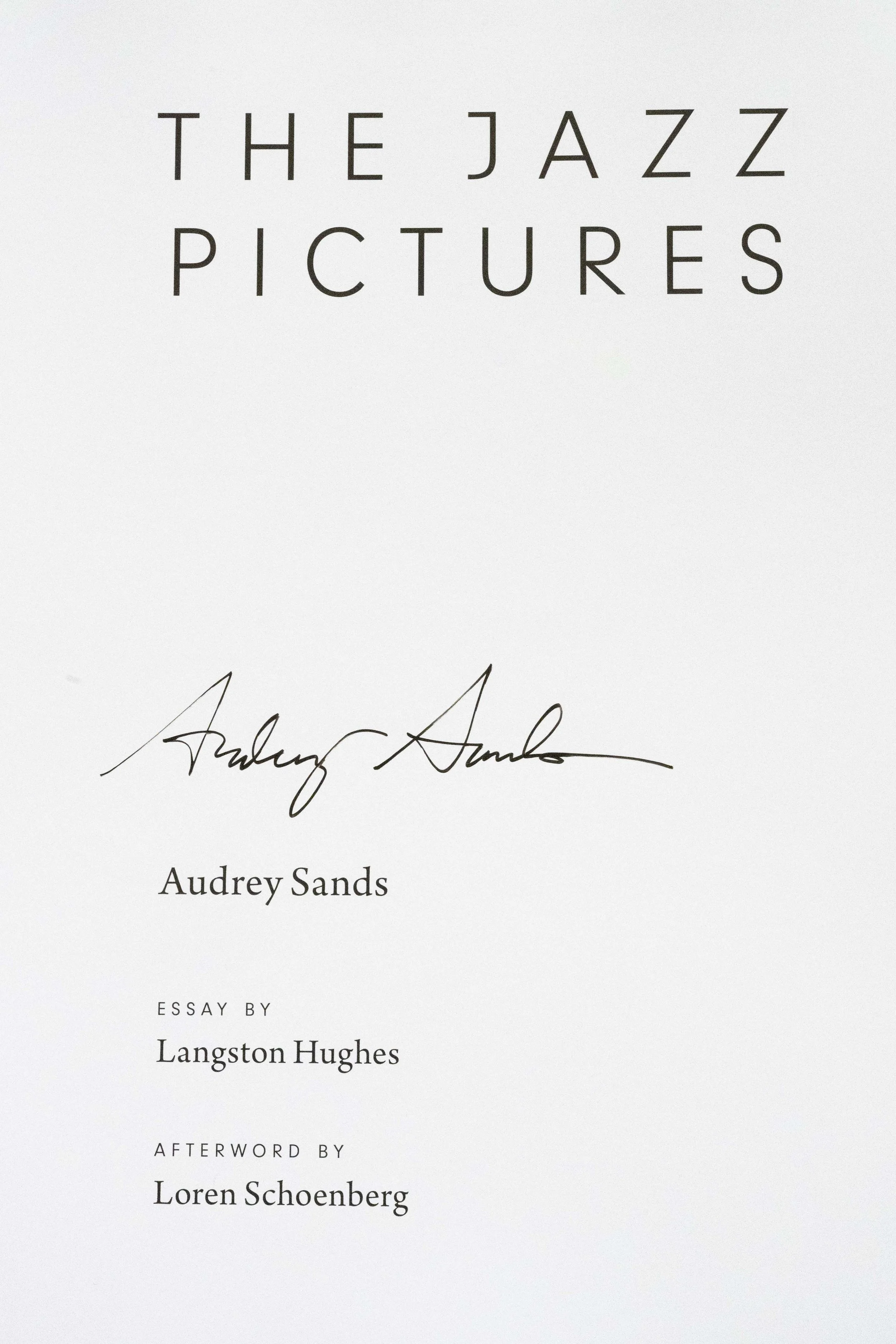
Audrey Sands
I did not know much about Audrey’s past before preparing to do the blog post. What I learned is Audrey has degrees from Barnard and Oxford and received her PhD from Yale. She also has received Fellowships at the National Gallery of Art and the Smithsonian. So. her education is decent.
But I was impressed with some other things too. When I saw her first Instagram post about the book release I immediately liked the design of the cover. It was dynamic and Red is my favorite color. Then when I saw posts of Audrey appearing for speaking events and books signings I immediately notice she wore a bright red dress similar to the same red as the book. With her jet-black hair and eyebrows, I could see she was mirroring her book, which I thought was brilliant. I think a lot of people know I was a Police Officer and Detective after graduating from ASU. As I started reading this book I quickly realized Audrey has a detective’s mind. She looks for answers, follows clues, and lets the process determine the final facts. She also documents information in a clear and concise manner with her writing, which I absolutely love. She is an investigator.
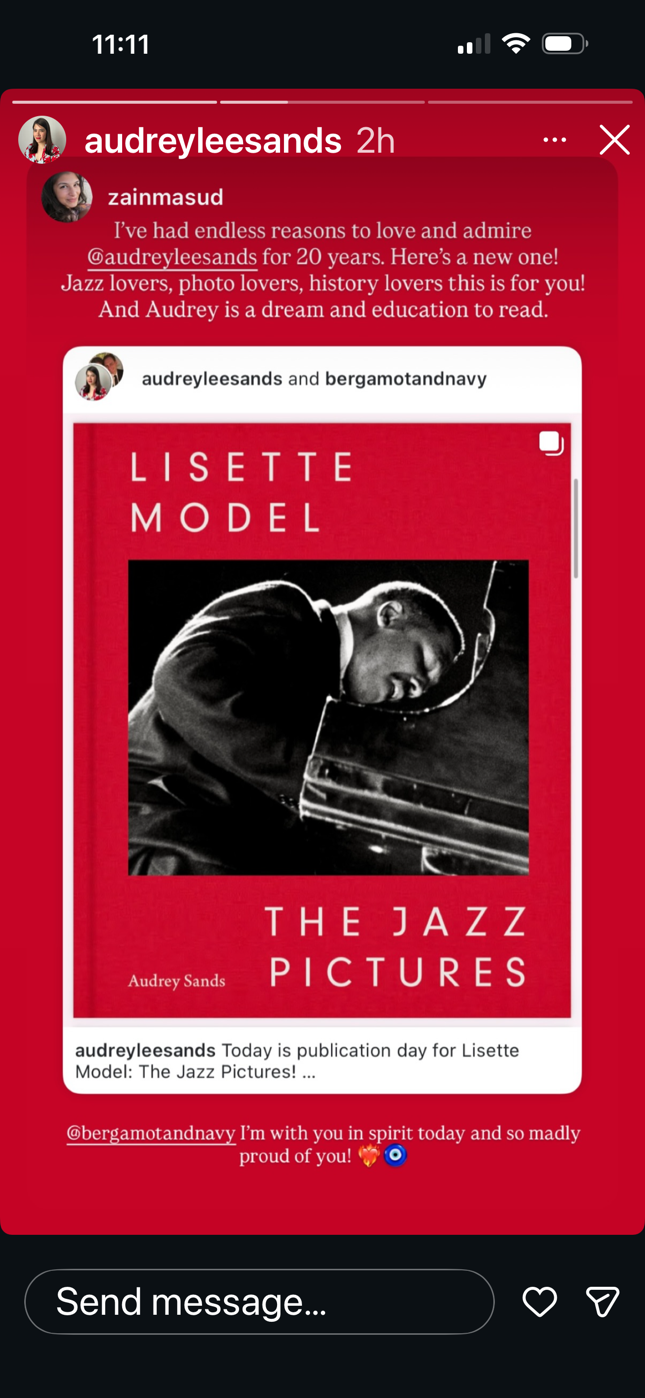
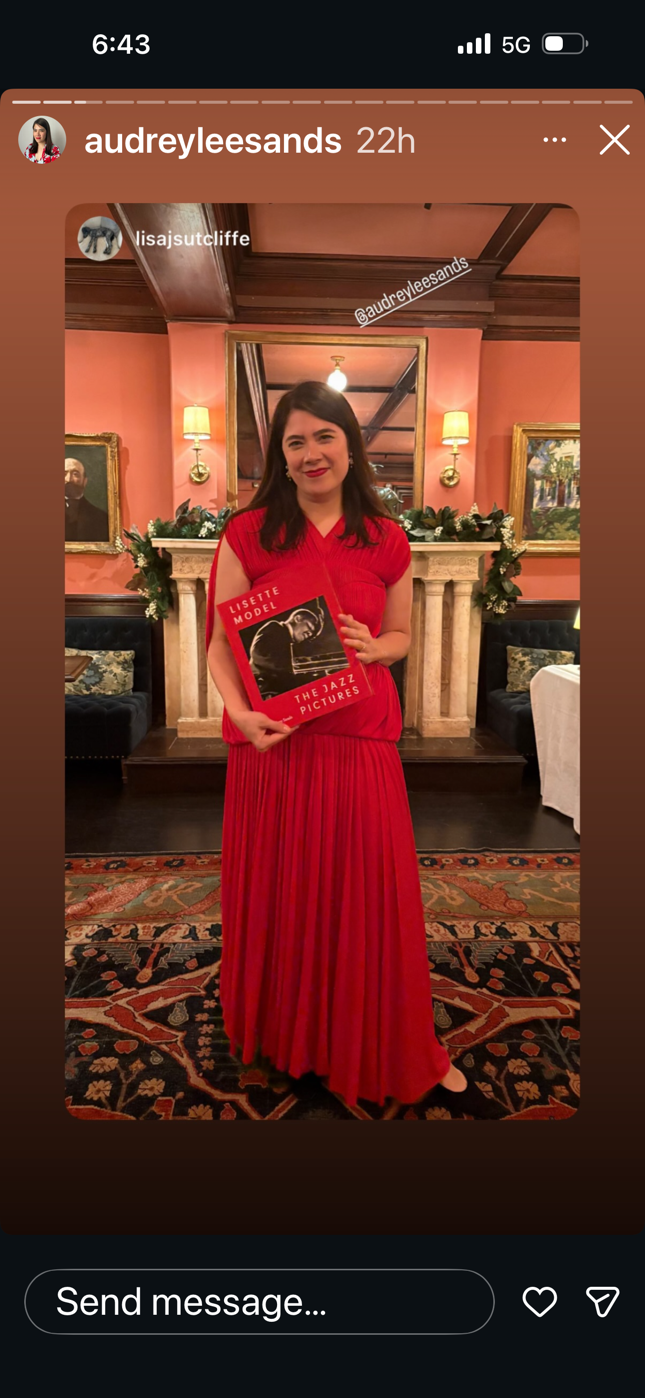
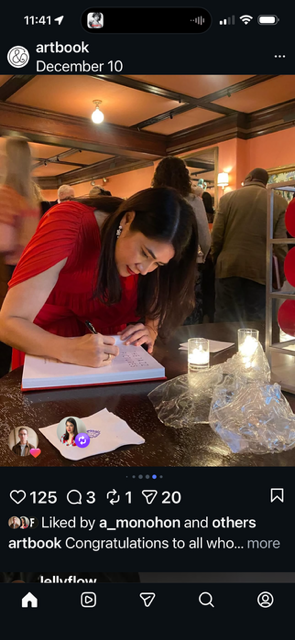
The photography world often talks about “Emerging Photographers”, the less established photographers who are starting to consistently stand out. I have never heard the “emerging” title applied to curators before, but Audrey Sands is a curator you should follow. I am confident that adding this book to anyone’s library would be a great investment on a number of levels.