• PORTFOLIOS
  • Prints
  • Licensing
  • Books
  • About
  • CONTACT
  • Blog
  • Instagram
  • TECH INFO
  • LINKS
Menu

William Karl Valentine

  • PORTFOLIOS
  • Prints
  • Licensing
  • Books
  • About
  • CONTACT
  • Blog
  • Instagram
  • TECH INFO
  • LINKS

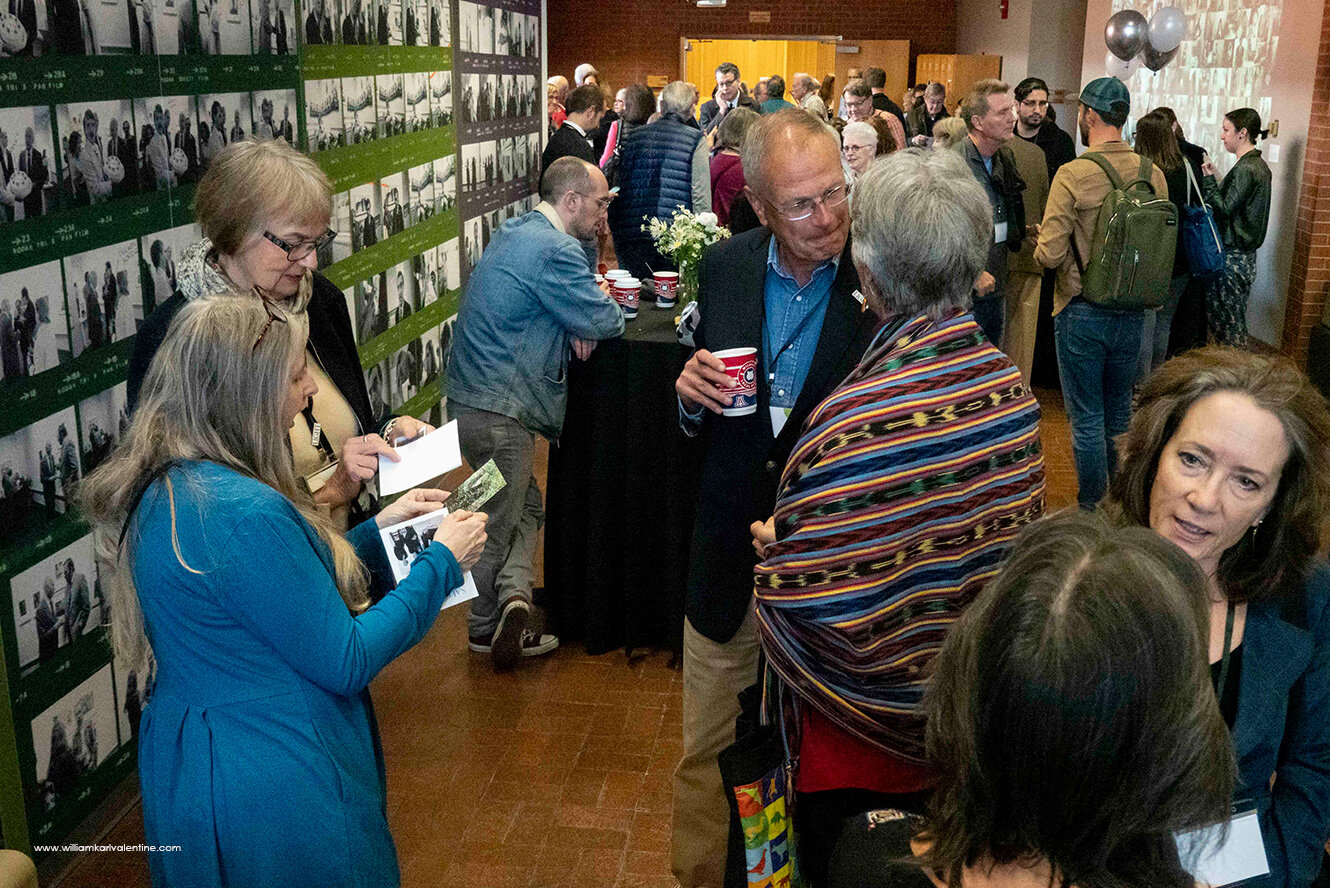
Myself, Chief Curator Becky Senf, and Frank Gohlke at CCP in 2020 for the Legacy of LIGHT symposium

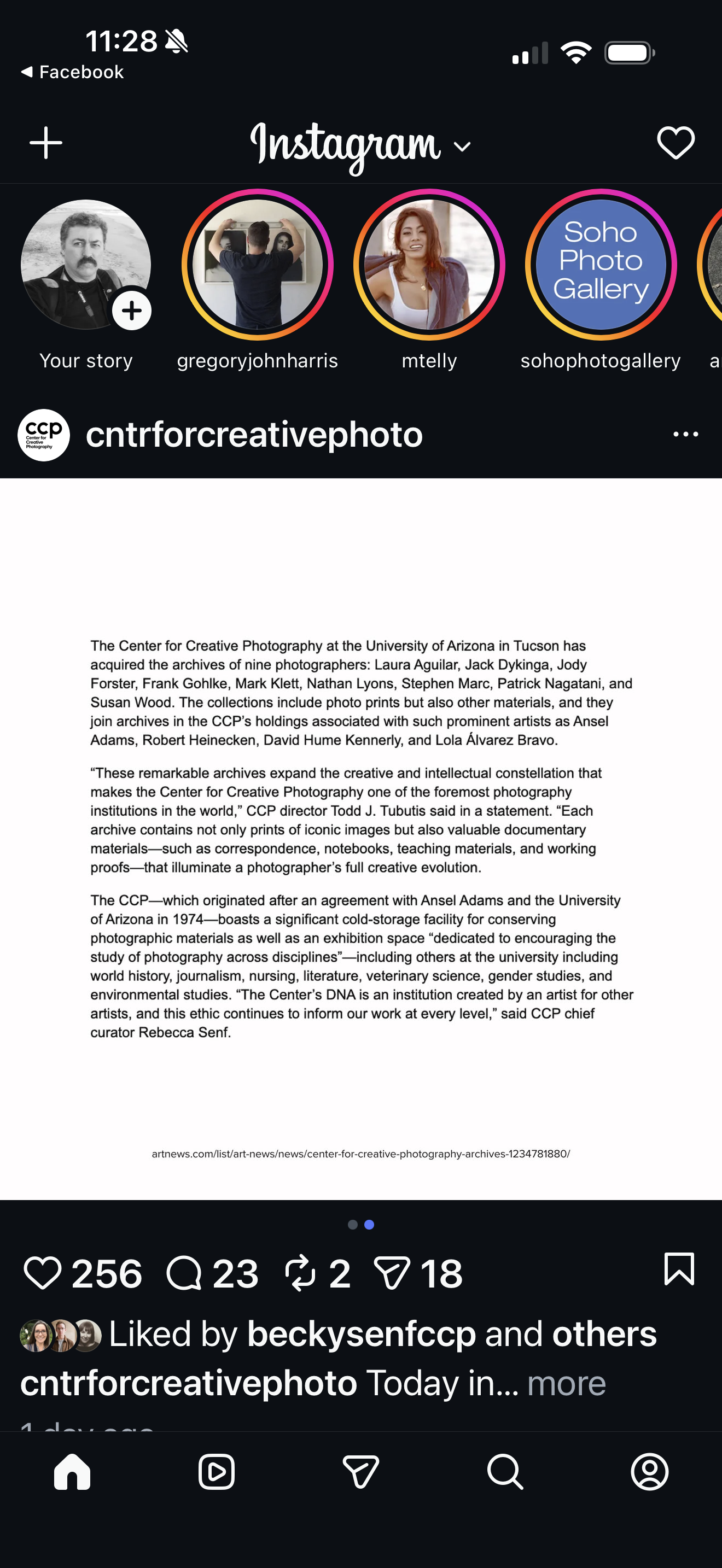
Archives of Mark Klett, Frank Gohlke, and 7 others added to CCP Collection

April 28, 2026

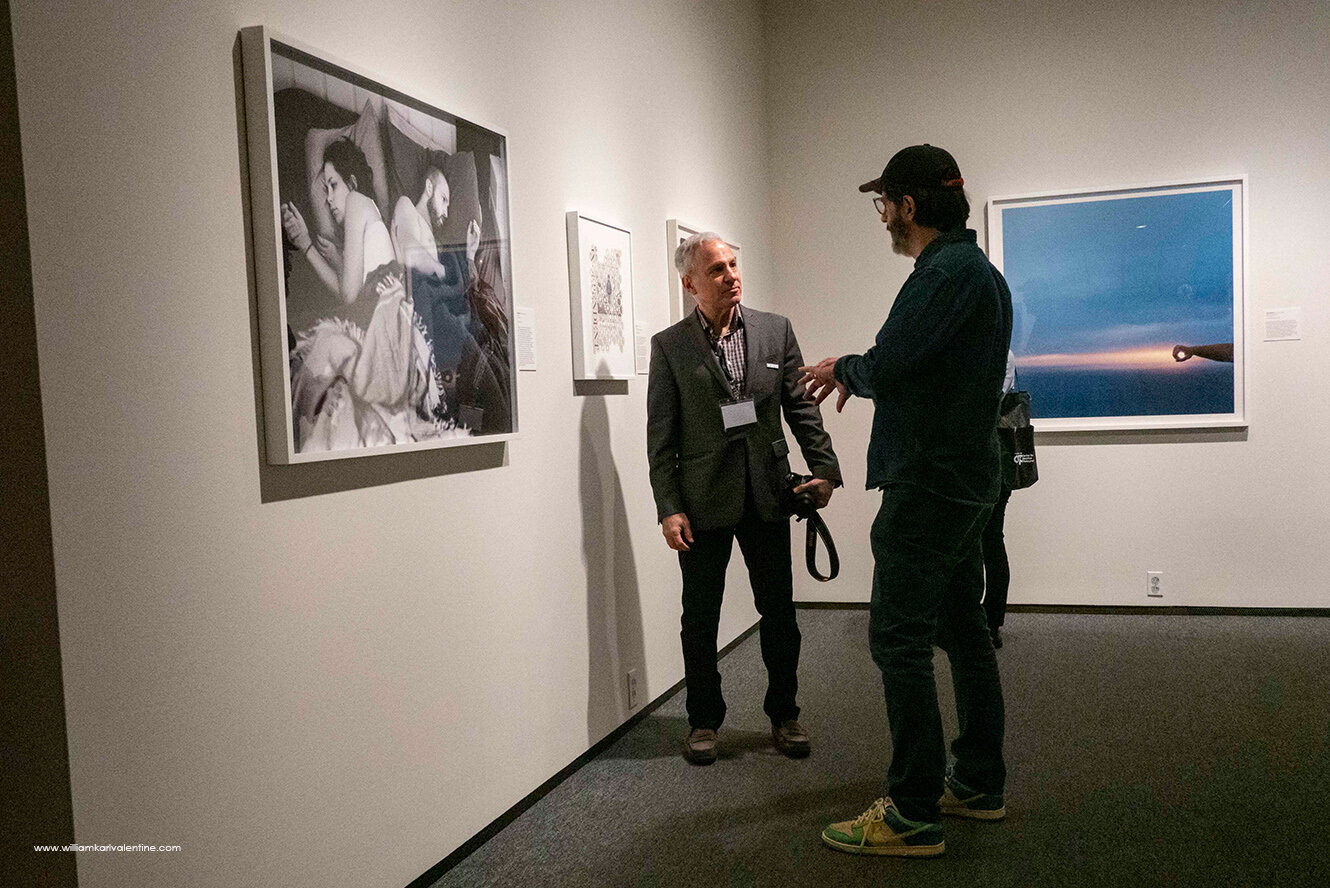
Mark Klett and his opening at Etherton Gallery in January of 2020

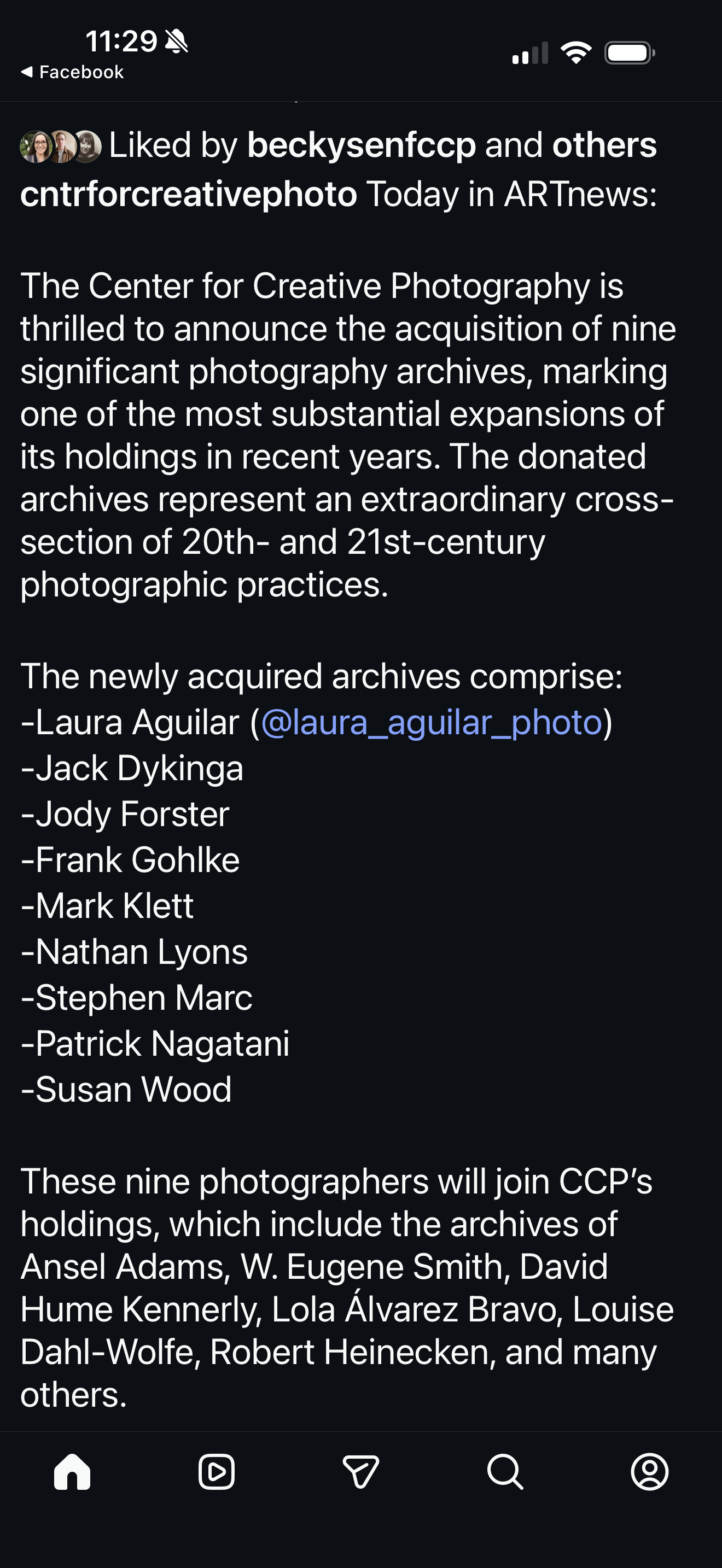
I was happy to learn last week that the Center for Creative Photography was adding the archives of nine photographers to their permanent collection, a couple of which I know.

The Center for Creative Photography, University of Arizona, is recognized as one of the world’s finest academic art museums and study centers for the history of photography. The Center opened in 1975 and now holds over eight million archival objects in the Center’s collection including negatives, work prints, contact sheets, albums, scrapbooks, correspondence, writings, audiovisual materials and memorabilia. In addition to whole archival collections the Center also actively acquires individual photographs by modern and contemporary photographers. There are currently more than 110,000 works by over 2,200 photographers.

The Photographers who had their archives added to the collection are:

Laura Aguilar - Was a photographer from the San Gabriel Valley area of Southern California who passed away in 2018 at the age of 58. I first became aware of her work in 2023 during a meeting with curator Linde Lehtinen at the Huntington Library. Laura studied photography at East Los Angeles College, and her work included portraits of diverse communities in the Los Angeles area, self-portraits, and later, nude self-portraits in nature. Linde championed Laura.s work and could see why.

Jack Dykinga is an 83 year old American photographer. From Chicago he won a Pulitzer Prize while with the Chicago Sun Times. He later moved to Arizona and taught at the University of Arizona. He documented historic civil rights events in Chicago during his time as a press photographer.

Jody Forster Was an Arizona based photographer who had studied under Ansel Adams. He was born in Chicago in 1948 and passed away in 2020.

Frank Gohlke is an 84 year old American photographer. He was one of the ten photographers selected by Bill Jenkins to be part of the famed New Topographics exhibition in 1975 at the George Eastman House. Gohlke’s photographs of grain silos and other basic structure are iconic. Gohlke has taught photography at numerous institutions and in 2007 he joined the faculty at the University of Arizona.

Mark Klett Is a 73 year old American photographer. He holds a BS in Geology from St. Lawrence University and an MFA in Photography from SUNY Buffalo. Between 1982-1996 he was a Fine Arts Specialist at the School of Art, Arizona State University. He went on to become a Regent’s Professor and Disstinguished Sustainability Scholar at ASU and recently retired. His landscape photographs examine the changes in our environment and also cconnects with photographers past.

Nathan Lyons was an American photographer, curator, and educator. Lyons was also a curator of photography and an associate director at the George Eastman House and, in 1969, founded the independent Visual Studies Workshop in Rochester, which established a course of study relating to the history and practice of the photographic art form and curatorial studies specifically pertaining to the medium of photography. He started the Society for Photographic Education, becoming its first chairman. He was involved with various magazines, being assistant editor of Image, regional editor of Aperture, and founder of Afterimage. He passed in 2016 at the age of 86.

Stephen Marc is a 72 year old photographer from Chicago who documents and interprets history with a focus on the Black experience. In the late 1980s, Marc chose to record everyday life on the street on Chicago’s South Side as part of one of the largest documentary photography projects ever organized to document an American city.

Patrick Nagatani was an American photographer and educator, best known for his work relating to the unique history of Japanese Americans including their experience with internment camps. Born in Chicago in 1945 his family moved to Los Angeles in 1955. He received a MFA from UCLA and later taught at Loyola Marymount and the University of New Mexico. He passed away in New Mexico in 2017 at the age of 72.

Susan Wood is a 94 year old New York based photographer who worked for Life, People, and New York magazines from the 1960s to the 1980s. Her first employment was with Life magazine cutting up negatives for documentary photographer Margaret Bourke-White. Wood also did work for several movie studios by photographing production stills. Her portraits of celebrities are creative and she documented New York well.

The Personal Side of this:

I remember Mark Klett well from my time studying at Arizona State University and I have come to know him better over the years. I arrived at ASU in 1984 the same year Mark’s first book project was published: Second View: The Rephotographic Survey Project, with Ellen Manchester and JoAnn Verburg. I remember lectures about the project and having several teachers talk to us about it in class. Just before I graduated in 1986 mark published his second book: Traces of Eden: Travels in the Desert Southwest. Seeing what Mark was accomplishing, and having so insight in to the process was valuable for my development. I have spoken with Mark a number of times in recent years and his insight on the current state of our medium has been very helpful. Navigating the business of photography has become more difficult with all the recent changes and our conversations have been helpful. Mark is a great contributor to the medium of photography both as a photographer and an educator.

I met Frank Gohlke a few years back and he is a gentleman. He is an iconic photographer, I love his work, and he completely approachable. it is so obvious that he loves the medium. At his opening at Etherton Gallery I asked him about his printing process for the Mt. Saint Helens photographs on display, they were amazing. He was excited to talk about the work and the process. The next time he saw me I my Sony RX100 VII with me and he asked me all about it. I can only imagine how good a professor his based on his obvious interest to continue learning himself.

Over the years I have gotten to know CCP Chief Curator Becky Senf, and we have had several conversations about collections in general and specifically the focus of CCP’s collection. Reflecting on that, I completely understand how these photographers were selected and how their work fit in with the CCP collection. When Becky posted about this acquisitions on Instagram I congratulated her and she replied telling me how good they felt about it. I feel good about this too. Congratulations to CCP, the photographers, and everyone involved in the process.

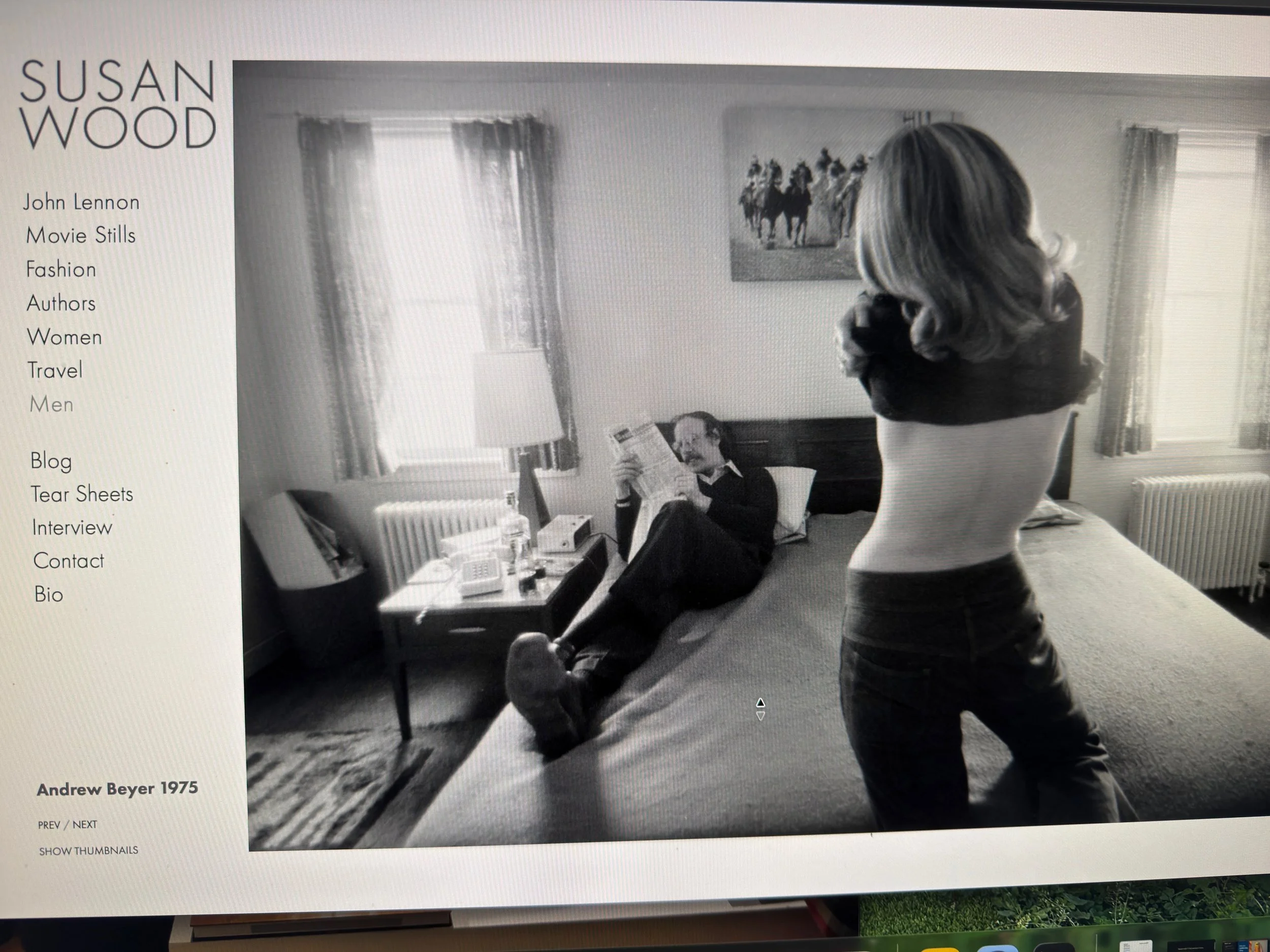
One extra thing I want to share is this Susan Wood photograph (see below) I discovered while researching her for this blog post. As some of you know I authored a book on the Santa Anita Racetrack and have photographed at a number of tracks in North America. When I saw this image, after I saw the woman’s back, I noticed the horse racing image above the bed. I then looked at the focus of the portrait, the man on the bed and saw he appeared to be reading a racing form. When I read who the man was, Andrew Beyer, I immediately figured it out. Beyer was a racing columnist for The Washington Post and the creator of the Beyer Speed Figure which rates horses past performances so they can be compared to other horses. It is still relied on today and wagers will talk about it as “the Beyers”. The photograph is a perfect portrait for Beyer, and a well crafted image.
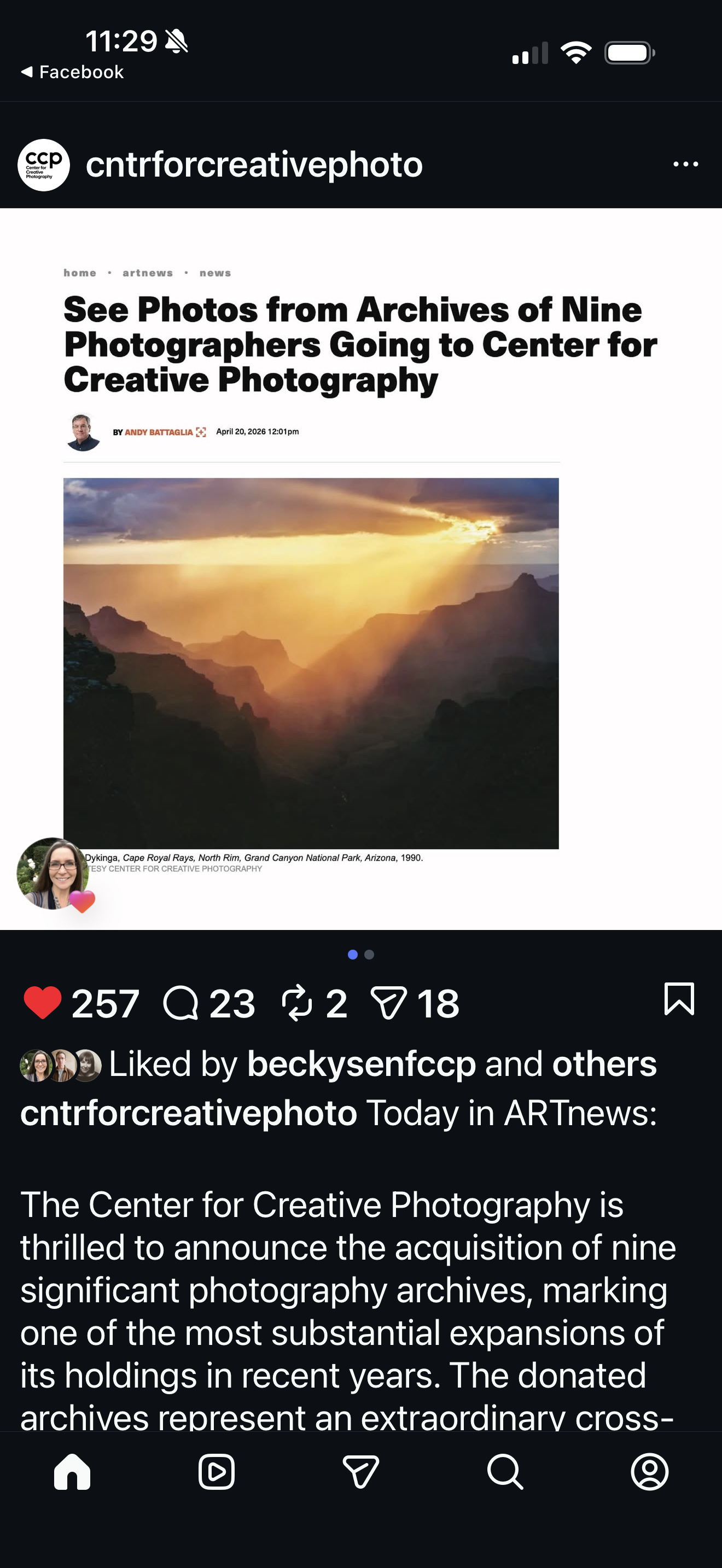
Instagram announcement of the additions to the collection:
View fullsize IMG_1026.png
View fullsize IMG_1027.png
View fullsize IMG_1024.png
In Photography Collector, Photography Curator, Photography, Photographer, Museums, Art Collection Tags Center for Creative Photography, CCP, @beckysenfccp, Frank Gohlke, Mark Klett, Laura Aguilar, Jack Dykinga, Jody Forster, Nathan Lyons, Stephen Marc, Patrick Nagatani, Susan Wood, Rebecca Senf, Andrew Beyer
Comment
Anne Breckenridge Barrett, Peter MacGill, Susan Harder, Laurence Miller, Jack Sal, and Rick Wester.

Anne Breckenridge Barrett, Peter MacGill, Susan Harder, Laurence Miller, Jack Sal, and Rick Wester.

The Legacies of LIGHT symposium - The Center for Creative Photography

March 4, 2020

The CCP describes the Qualities of LIGHT exhibition as this: “The Center for Creative Photography’s exploration of LIGHT Gallery is an institutional history that investigates the impact of this commercial space through its role in the larger community.”
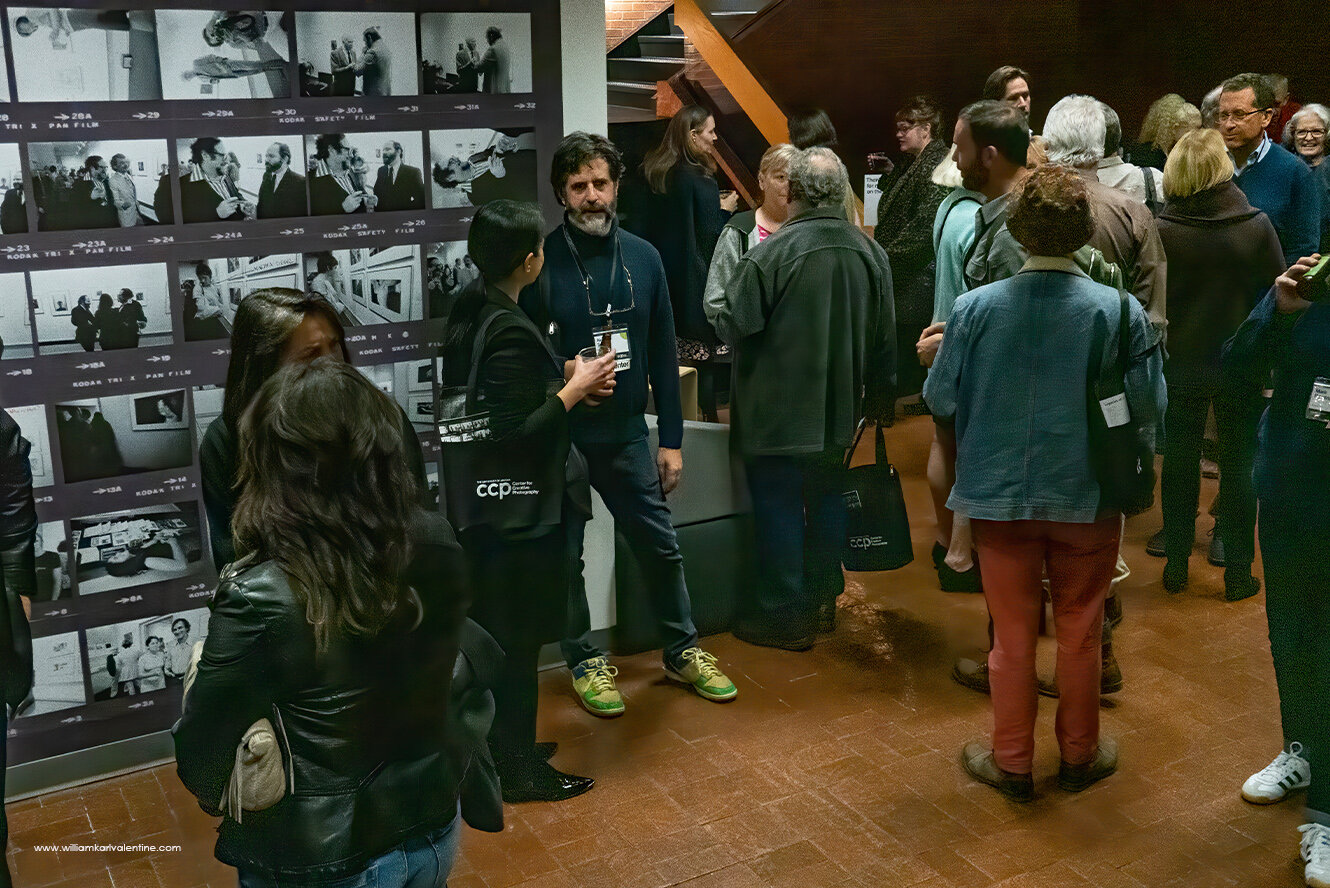
When I attended the opening in December, I saw the description was accurate.  It’s a unique exhibition in how it recreated certain physical elements of the LIGHT Gallery, displayed works of LIGHT’s artists, had a component for highlighting emerging artist of today (an important function of LIGHT back when it was open), and was able to show how important this gallery was to the history of the medium.  One of the most impressive elements for highlighting the impact LIGHT had on photography today was Curatorial Assistant Adam Monohon’s brilliant concept of creating a line map showing the connections of so many important photographers, curators, and photography institutions back to LIGHT gallery.  The exhibition also has so many cool interactive elements which I documented in a separate post. I had no idea that so many of the people who effected my growth as a photographer were linked back to LIGHT in some way. I think the entire exhibition really does well to capture the spirit of LIGHT and that time period.

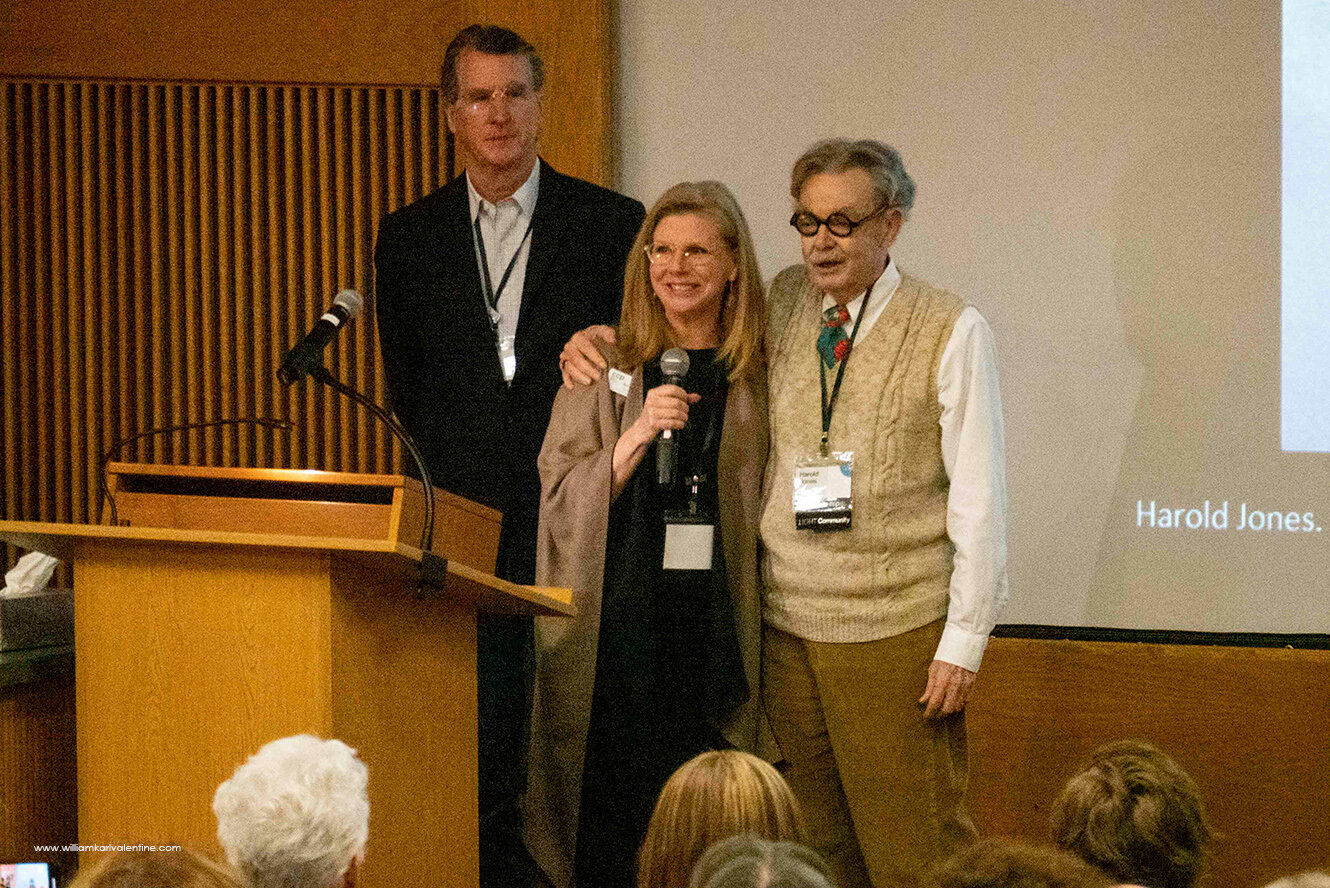
Another important aspect of the exhibition is to highlight the connection between CCP and LIGHT.  Harold Jones was the first Director of LIGHT and his vision set the course for the galley.  Harold left LIGHT to help with building the Center for Creative Photography and the Studio Photography Program at the University of Arizona.

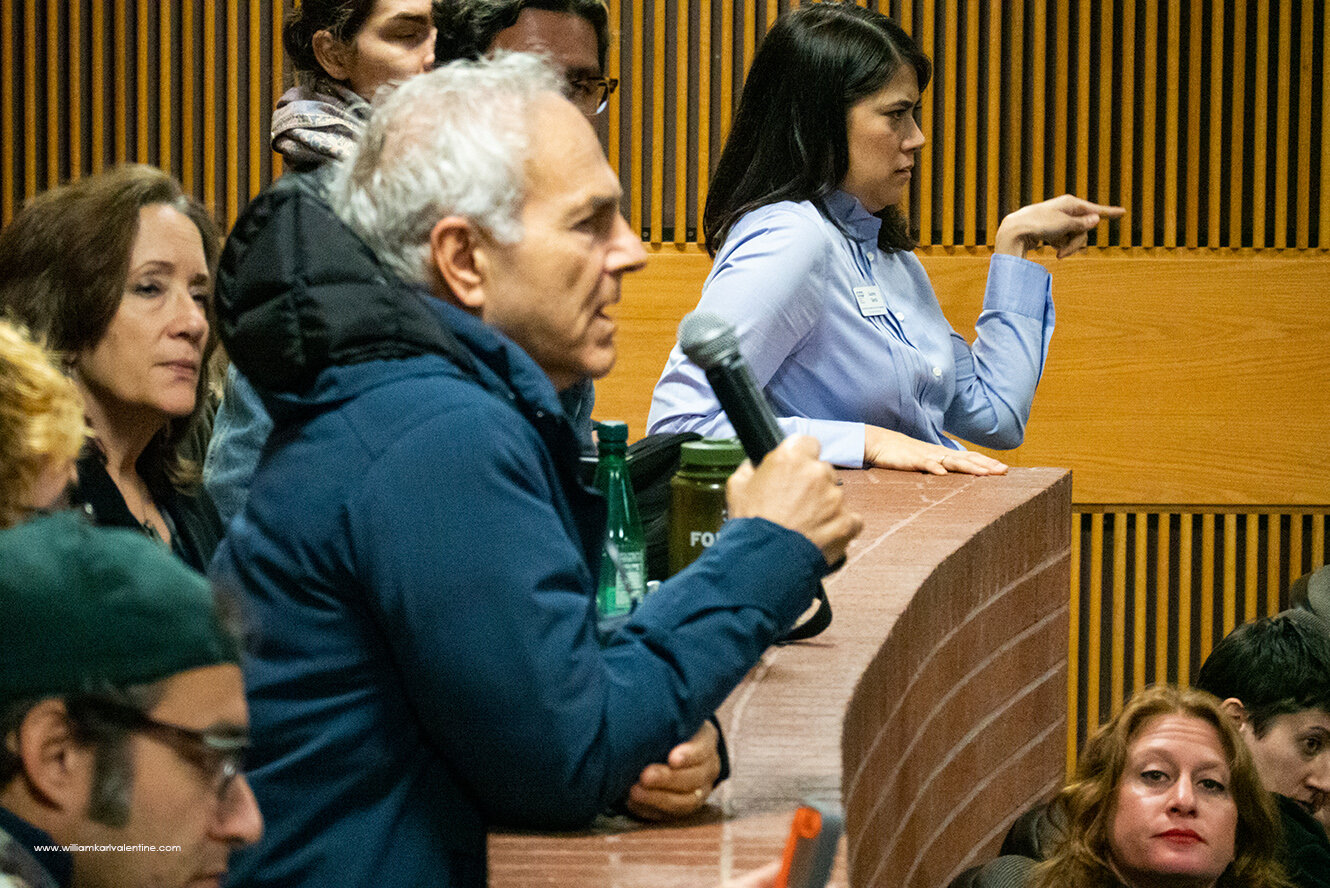
So this blog post is about the “Legacies of Light” symposium which was held in January at the CCP in conjunction with the exhibition.  I signed up for the symposium as soon as I learned of it after having my work included in the exhibition.  I thought it would be a good experience to learn more about LIGHT’s history and to have an opportunity to interact with so many people involved in photography.  I was blown away with the experience of this symposium, it far and away exceeded my expectations.

Here is a link to the description of the speakers and the subject matter o the “Legacies of Light” symposium on CCP’s website.  It is the best way to accurately describe the event in detail.

Another great resource is this link of CCP’s videos of the symposium: https://www.youtube.com/channel/UCRnlWp7M-YuVQY_okRmQmGA .

Now for my impressions. While attending the Legacies of Light I quickly realized one of the symposium’s primarily goals was to document the history of photography’s evolution to becoming a recognized as fine art.  The people connected to LIGHT, many of whom attended the symposium, played so many important roles in photography’s rise in status within the art world.  The symposium also talked about the current state of the photography community and our future.  Everything was so well done by Anne Breckenridge Barrett, Rebecca Senf, and the entire CCP staff.  There is so much to cover I will just jump in and start talking about the weekend and hopefully all my notes and recollections are accurate.

View fullsize Anne Breckenridge Barrett
Anne Breckenridge Barrett
View fullsize Anne Breckenridge Barrett
Anne Breckenridge Barrett
View fullsize Web 1-17 to 19-20 CCP - Legacies of LIGHT 12.jpg
View fullsize Fern Schad, Britt Salvesen, and Charles Traub
Fern Schad, Britt Salvesen, and Charles Traub
View fullsize Fern Schad, Britt Salvesen, and Charles Traub
Fern Schad, Britt Salvesen, and Charles Traub

Things started Friday with small tours of the CCP facilities (I covered that experience in this linked: blog post) and a Keynote speech by Britt Salvesen who is the Curator and Head of the Wallis Annenberg Photography Department at LACMA.  She gave an overview of LIGHT’s impact on the development of fine art photography followed by a panel discussion with Fern Schad and Charles Traub about LIGHT.  Fern owned LIGHT with her husband Tennyson. She had an early interest in photography and had worked for Bill Jay in England before coming to the US where she spent time as a picture editor for LIFE magazine.  Tennyson was an attorney who had the vision for the gallery and supported it financially.  Traub spent time as a Director of LIGHT gallery and later was instrumental in establishing The Museum of Contemporary Photography in Chicago.  He is also an established photographer an educator.  I was fascinated by how much effort went in to establishing the gallery and maintaining it. 

View fullsize Becky Senf, Sally Stein, and Marvin Heiferman
Becky Senf, Sally Stein, and Marvin Heiferman
View fullsize Sally Stein, and Marvin Heiferman
Sally Stein, and Marvin Heiferman
View fullsize Fern Schad - Legacies of LIGHT at the CCP
Fern Schad - Legacies of LIGHT at the CCP

Saturday began with two former LIGHT employees Marvin Heiferman and Sally Stein reminiscing about the gallery and the atmosphere of New York in the 1970’s art world.  Marvin spoke about how he learned to “see” pictures at LIGHT.  He said Harold Jones taught him to “Just look at stuff” and to learn by the experience of looking.  He went on to explain how he came to understand what pictures communicate to viewers.  This really resonated with me because I feel too many people today don’t take the appropriate amount of time to actually look and experience images, we live in an Instagram world of the two second page view then “Like and Swipe”.  Marvin gave examples of how photography wasn’t always accepted as art then.  He remembered how a New York Times art critic had told Harold that photographs were not art.  He also remembered an occasion when a woman accidentally got off the elevator on their floor while looking for another gallery  He said she stepped off the elevator looked down the gallery wall at all the prints and stated “Oh photographs…” then stepped immediately back on the elevator.  Marvin said Weston Neff and representatives from the Fogg Museum at Harvard would come in to the gallery but MoMA’s John Szarkowski would not, speculating because he didn’t want to acknowledge there was another “game in town”.  Sally spoke to how the gallery struggled financially to survive.

View fullsize Fern Schad, Andy Grundberg, and Marvin Heiferman
Fern Schad, Andy Grundberg, and Marvin Heiferman
View fullsize Becky Senf, Andy Grundberg, and Marvin Heiferman
Becky Senf, Andy Grundberg, and Marvin Heiferman
View fullsize Andy Grundberg, Marvin Heiferman, Michal Raz-Risso, and Sally Stein
Andy Grundberg, Marvin Heiferman, Michal Raz-Risso, and Sally Stein

Michal Raz-Russo, who is the Associate Curator of Photography at the Art Institute of Chicago spoke next of her Master’s thesis research about LIGHT gallery.  She talked about how LIGHT was innovated in how they presented work, specifically hanging rows of images in grid form which hadn’t really been done before.  She described Light’s 1972 exhibition of Stephen Shore’s “American Surfaces” which was shown three rows high and taped to the wall (No installation prints from this exhibition survived) and the 1975 exhibition of Garry Winogrand where LIGHT displayed over 100 of his prints behind glass and “L” hooks on one wall.  Michal said Harold Jones used the grid style to try and show how Winogrand approached photographing: “Rapidly and Quickly”. It was fascinating to learn this because I can see the impact on some of the exhibitions I have seen. Most notably the Pier 24 Gallery exhibition where Winogrand’s complete “Women are Beautiful” series was displaced in a grid in one room while Stephen Shore’s prints were in another room. I can also recall MoMA, MFA, The Milwaukee Art Museum, The Art Institute and other institutions using grids in fantastic exhibitions, so I found it interesting to know where the possible origins of these designs came from.

Andy Grundberg spoke next on the evolution of photography as an accepted art form and LIGHT’s important involvement in that process.  For those of you reading this who aren’t familiar with Andy he is possibly photography’s most well known art critic and the author of numerous great books on photography.  He has written for the New York Times and is also a professor at the Corcoran School of the Arts and Design at George Washington University.  Andy was in New York City during this period and summed it up perfectly when he commented “I was a witness of photography at its most incredible time, the 70’s and 80’s”.  I loved hearing him describe the New York scene like the print bins at The Witkin Gallery and studying under Lizette Model at the New School.  I am also interested in upcoming new book, How Photography Became Contemporary Art because I understand there was considerable focus on LIGHT gallery’s impact.

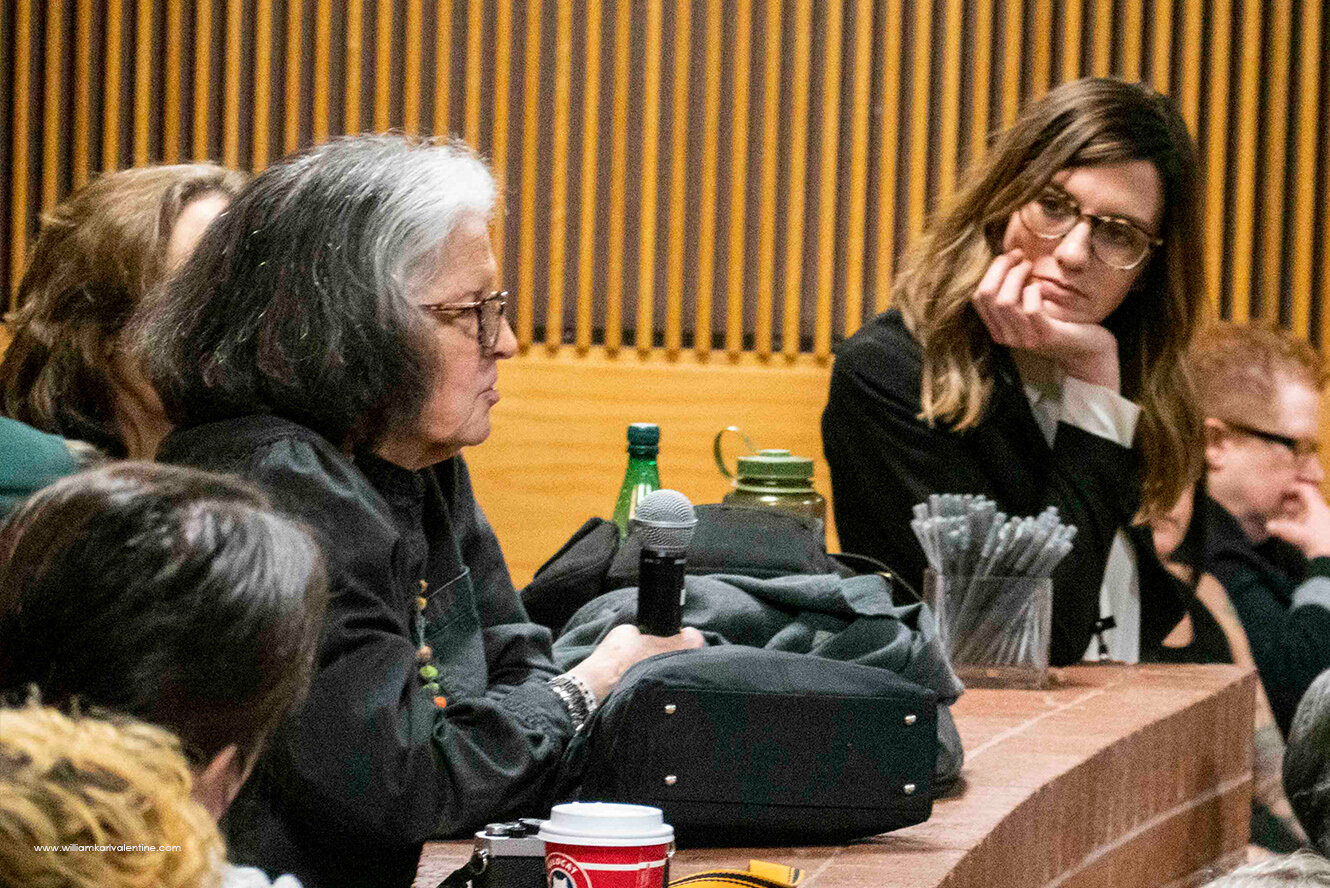
Becky Senf lead a Q&A panel session next which focused on the history of photography and LIGHT’s impact.  In summary they acknowledged how prior to the Witken Gallery and MoMA showing photographs that photography magazines and publications were the primary source for people to see good photography (way different than today’s Instagram era).  They spoke how Winogrand and other photographers all got their start with photography-based magazines. Fern Schad, LIGHT’s co-owner, brought up how LIFE magazine closed in 1972 with the advent of television news, and how images on TV are fleeting. The panel spoke of Susan Sontag’s writing on photography and John Szarkowski’s catalogues at MoMA and how photography began to be looked at for its artistic value and not just a means of describing news.  Michal Raz-Russo added to that saying that some Photojournalism is now starting to be accepted as artwork. 

The panel recognized the important influence entities like The Society of Photographic Education, The George Eastman House, The ICP, National Geographic, The Visual Studies Workshop and others had on the medium.  They also identified that the 1970’s were really when much of the movement occurred; in example the first formal photography department was at the Art Institute of Chicago in 1974.  Becky Senf then pointed out something very important when she said “It’s remarkable how much (photography) history from the decade of the 1970’s isn’t documented.”  Becky’s comment came in to focus for me more and more as the weekend went on.  I realized the symposium was really focused on preserving photography’s history while it was still possible to get it firsthand from people who were part of it.  Looking around the room there were so many icons from the industry and I knew because of reality of their ages that this symposium was most likely the last time you would have so builders of the medium together in one room.  I also realized that with all my previous history of photography courses the focus was primarily on the photographers.  Yes, Beaumont and Nancy Newhall were recognized, and we used their textbook, and we were taught about Stieglitz’s influence but most my knowledge was on image makers.  It makes since because I studied at Arizona State University in the mid 1980’s when this New York scene was still strong and the Center for Creative Photography was just getting started.  For me personally it was very good to grow my knowledge of the medium.  By Sunday I realized the symposium was not only exploring and documenting the history of the medium, and considering its future, but I think the symposium was becoming an historic event in the history of the medium itself by what was being accomplished there.

View fullsize Dominique Luster
Dominique Luster
View fullsize Rick Wester, Liz Allen, Dominique Luster, and Alec Soth
Rick Wester, Liz Allen, Dominique Luster, and Alec Soth
View fullsize Liz Allen, Dominique Luster, Alec Soth, and Sarah Stolfa
Liz Allen, Dominique Luster, Alec Soth, and Sarah Stolfa
View fullsize  Liz Allen, Dominique Luster, Alec Soth, and Sarah Stolfa
Liz Allen, Dominique Luster, Alec Soth, and Sarah Stolfa

The afternoon session on Saturday began with a panel discussion “Engaging Community” moderated by Rick Wester.  The first thing they focused on was how we define the photography community.  ASU Professor, and current Society for Photographic Education President Liz Allen spoke about SPE’s formation in the 1960’s under Nathan Lyons.  She talked about the changing landscape of education the challenges educators have now with colleges having fewer tenure tract professor positions.  Dominique Luster who is the endowed Charles “Teenie” Harris Archivist at the Carnegie Mellon Museum of Art spoke about her role with the Harris archive.  I was not familiar with Harris who was a Pittsburgh based commercial photographer who documented the African American community.  It was highly interesting to hear the impact Harris had on documenting the history of his community with his camera and how their museum is keeping that legacy of community moving forward.  Magnum Photographer Alec Soth spoke about once he had a photography career, he craved a community.  Something I can related to after graduating from ASU and leaving behind the academic environment.  For Soth he started blogging in the early days of social media and found a safe way to engage a photography community.  Soth remarked how he now followed by over 100,000 people which he still is awe of considering how few comments he got on his earliest posts.  He also mentioned the weekend of the symposium was the 10th Anniversary of Instagram and added the “Corporation of Instagram has taken over” how we interact with photographs.  Rick Wester added insight from a gallerist’s point of view when he said “The Internet has replaced the experience with information, people are now getting information and want to get the experience to go with it.”.

Following up on the last two quotes, I want to again talk about a theme I heard throughout the weekend and mentioned above, that you learn about photographs by looking at them.  Now this might seem like an obvious thing but it isn’t today.  We now live in the age of the “two second page view”, where people scroll through Instagram, or any other social media platform, as fast as they can until an image catches their attention.  Unfortunately these “lure images” are usually the ones which catch people’s attention (my term based on the concept of shiny fishing lures).  Intense saturation, lots of post-production, or a trending subject.  Many people are missing out because they aren’t spending time with images to experience them.  One of the best exhibitions I saw recently was the Howard Greenberg Collection at the MFA last November.  The prints in the exhibition were some of the best I have ever seen.  But to get the full experience you had to spend time inspecting them, noticing details, and thinking about them.  I walked through there exhibition twice to make sure I experienced it as well as I could, and if I could have gone back and seen it a second time, like I did the Warhol at the Whitney Museum recently I would have.  Everyone I saw at the MFA was taking their time viewing the prints, it gave me hope.

Web 1-17 to 19-20 CCP - 3 Legacies of LIGHT 5.jpg

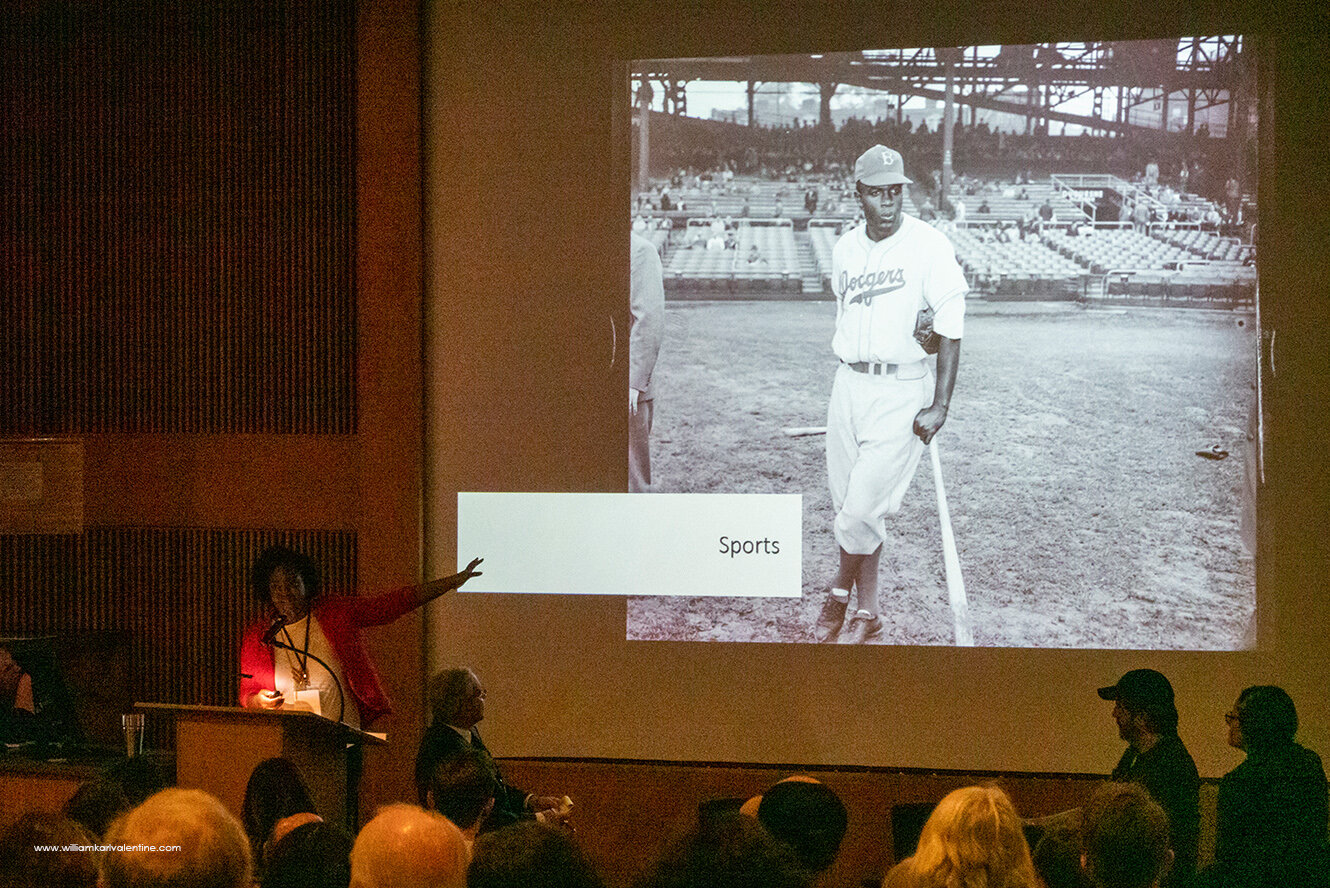
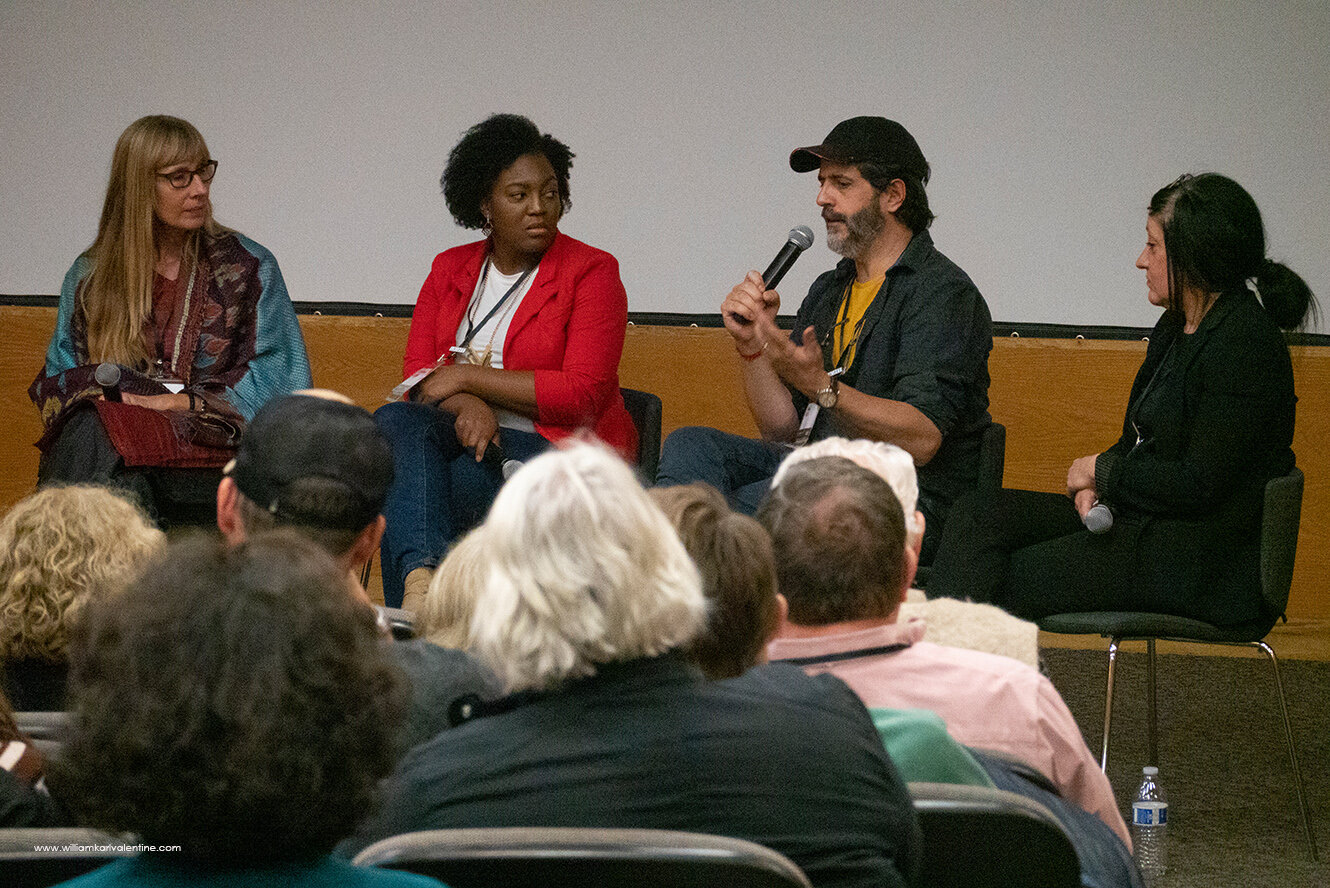
CCP’s Meg Jackson Fox and Emily Una Weirich moderated the next session which was “Valuing Story”.    I think the best way to describe this session was an exploration of how institution are preserving history in non-traditional ways; basically history used to be written in text books and now we are capturing oral traditions and digital forms of communication to preserve historical information.  Cassie May – an Oral History Archivist focused on the medium of Dance, Molly Garfinkel – Managing Director of City Lore, Dr Matthew Grilli – Assistant Professor of Psychology at the University of Arizona, and Photographer Judy Natal were the panelists.  Cassie, Molly, and Judy spoke about the projects and the process in their approach to documenting oral histories.  It was interesting because they had diverse approaches and subject matter.  They expressed the common theme that telling one’s story was important to create connections between people.  Dr. Grilli then went on to examine what motivates people to tell stories, “The Why”.  He said this motivation can change over time, often with younger people the goal may be to solve a problem while with older people the goal of story telling may be to teach, to inform, or to contemplate what may come to pass.  They all agreed that documenting oral history is often a challenge because it is usually recorded in a long form manner which is hard to create sound bites from to be used in different ways of presentation.  Several panel members also spoke of past problems they have with documenting oral histories and use rights.  The panelists told of several stories where the original use release signed for an audio recording or filming for a specific project did not include wording in the release such “In all media for perpetuity”.  The problem they have encountered is when they want to digitize the original oral histories and share them the original releases do not specifically authorize that and the interviewed persons are now deceased.  Where it is obvious the person interviewed wanted to share their story, heirs have at times refused to grant new releases to use the materials in new formats. 

View fullsize Tennyson Schad
Tennyson Schad
View fullsize Tennyson Schad
Tennyson Schad
View fullsize Fern Schad
Fern Schad
View fullsize Original LIGHT exhibition
Original LIGHT exhibition
View fullsize Peter MacGill
Peter MacGill
View fullsize Winnogrand show announcement
Winnogrand show announcement
View fullsize Stephen Shore announcement for LIGHT
Stephen Shore announcement for LIGHT
View fullsize First exhibition at LIGHT Gallery
First exhibition at LIGHT Gallery
View fullsize Max Yavno
Max Yavno
View fullsize Bruce Davidson at ASU
Bruce Davidson at ASU

Saturday concluded with a screening of Lisa Immordino Vreeland’s new documentary “LIGHT; When Photography was Undiscovered, 1971-1987”

View fullsize Peter MacGill
Peter MacGill
View fullsize Peter MacGill, Susan Harder, Laurence Miller, & Jack Sal
Peter MacGill, Susan Harder, Laurence Miller, & Jack Sal
View fullsize Anne Breckenridge Barrett, Peter MacGill, Susan Harder, Laurence Miller, & Jack Sal
Anne Breckenridge Barrett, Peter MacGill, Susan Harder, Laurence Miller, & Jack Sal
View fullsize Web 1-17 to 19-20 CCP - 4 Legacies of LIGHT 20.jpg
View fullsize Peter MacGill, Anne Breckenridge Barrett, and Harold Jones
Peter MacGill, Anne Breckenridge Barrett, and Harold Jones
View fullsize Peter MacGill, Anne Breckenridge Barrett, and Harold Jones
Peter MacGill, Anne Breckenridge Barrett, and Harold Jones
View fullsize Harold Jones and his family
Harold Jones and his family

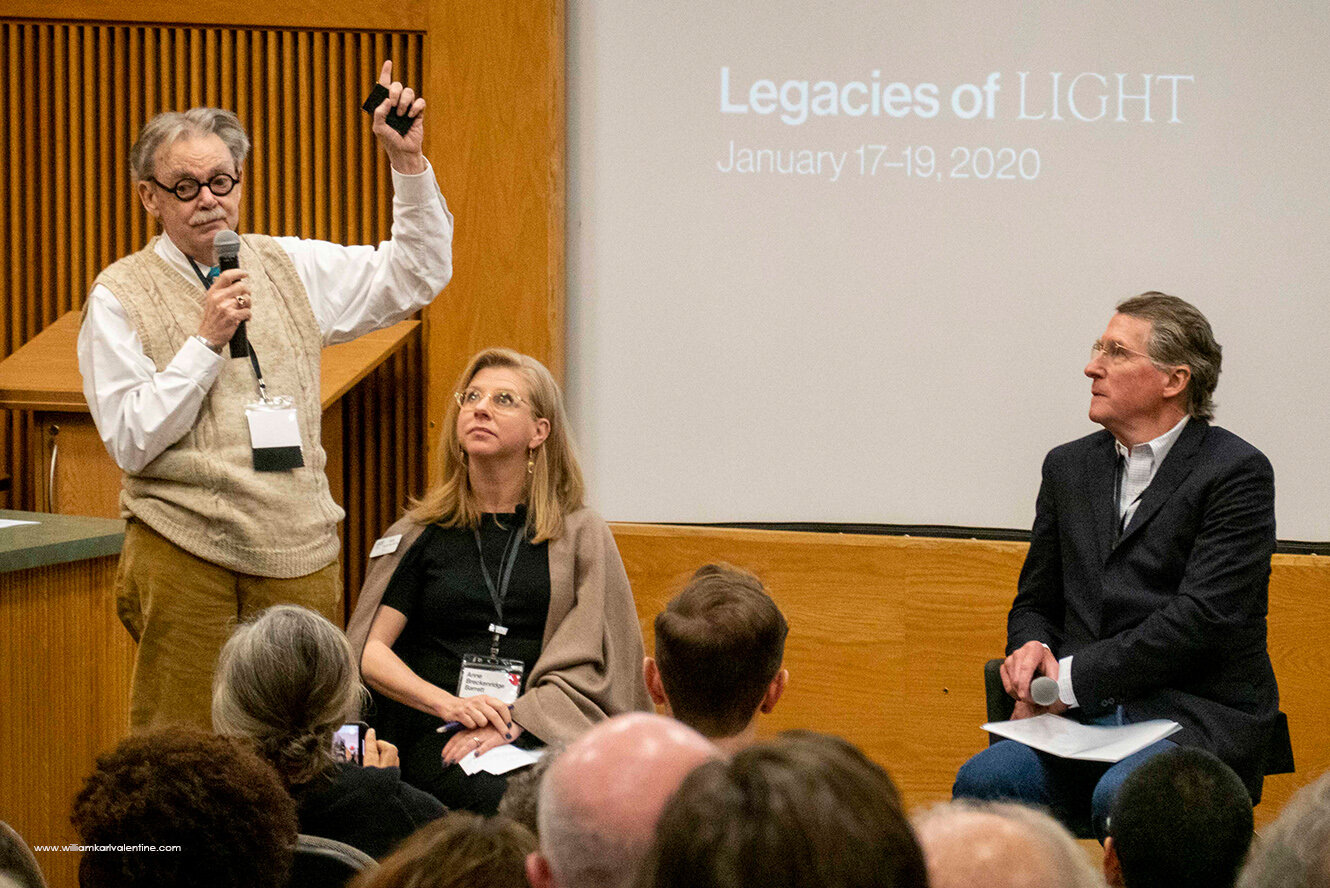
Sunday started with a panel discussion about LIGHT from the perspective of people who worked there. Included in the panel were Peter MacGill, Laurence Miller, Rick Wester, Susan Harder, and Jack Sal. Its too hard to go in to all their comments, and this post is longer than I had intended already, but the thing I really came to understand listening to this group was an understanding of the atmosphere and energy of the LIGHT gallery. Susan Harder and Peter MacGill talked about handing them portfolios of photographer’s work and being sent out to museums across the country to cold call curators to promote photography as art and stir up business. They also told stories of going and staying with iconic photographers as they were preparing to exhibit their work at LIGHT and had so many funny experiences they shared. There is no doubt everyone involved with LIGHT helped pave the way for every photographer today. The panelists also accurately recognized how important the symposium was for recording the history they were part of because much of the knowledge of those days is on the cusp of going away with the aging of those involved. The final event was a celebration honoring Harold Jones who spoke along with several his close friends and family members.

Personally, I am still processing all the experiences of the weekend because it truly was an epic event. I believe this symposium, which was designed to document Photography’s history, will in fact be recognized in its own right as an historic event for Photography. The topic material from the symposium was fantastic but I more so I had so many valuable interactions with people, I am just thankful I was able to attend.

View fullsize Becky Senf and Rick Wester
Becky Senf and Rick Wester
View fullsize Richard Misrach
Richard Misrach
View fullsize Anne Tucker and Meg Jackson Fox
Anne Tucker and Meg Jackson Fox
View fullsize Web 1-17 to 19-20 CCP - 4 Legacies of LIGHT 18.jpg
View fullsize Web 1-17 to 19-20 CCP - 5 Legacies of LIGHT 10.jpg
View fullsize Dr. Maurice Berger and Emily Una Weirich
Dr. Maurice Berger and Emily Una Weirich
View fullsize Web 1-17 to 19-20 CCP - Legacies of LIGHT 6.jpg
View fullsize Sally Stein and Jack Sal
Sally Stein and Jack Sal
View fullsize Audry Sands
Audry Sands
View fullsize Alec Soth and Michal Raz-Rizzo
Alec Soth and Michal Raz-Rizzo
View fullsize Mark Klett and Alex Turner
Mark Klett and Alex Turner
View fullsize Web 1-17 to 19-20 CCP - 4 Legacies of LIGHT 31.jpg
View fullsize Web 1-17 to 19-20 CCP - 4 Legacies of LIGHT 17.jpg
View fullsize Mary Virginia Swanson
Mary Virginia Swanson
View fullsize Web 1-17 to 19-20 CCP - 5 Legacies of LIGHT 8.jpg
View fullsize Rick Wester with Alec Soth
Rick Wester with Alec Soth
View fullsize William Karl Valentine and Eli Giclas
William Karl Valentine and Eli Giclas
View fullsize William Karl Valentine and Liz Allen
William Karl Valentine and Liz Allen
View fullsize William Karl Valentine with Meg Hagyard
William Karl Valentine with Meg Hagyard
View fullsize William Karl Valentine , Becky Senf, & Frank Gohlke
William Karl Valentine , Becky Senf, & Frank Gohlke
After-party Sunday at Mary Virginia Swanson’s home - Mark Klett and Peter MacGill - perfect finish to the weekend.

After-party Sunday at Mary Virginia Swanson’s home - Mark Klett and Peter MacGill - perfect finish to the weekend.


In Museums, Photography, Photography Theory Tags The Legacies of Light, The Center for Creative Photography, Tucson, Arizona, Garry Winogrand, Andy Grundberg, Michal Raz-Ruzzo, Becky Senf, John Szarkowski, Sally Stein, Marvin Heiferman, Harold Jones', Museum of Contemporary Photography, Britt Salvesen, LACMA, Center for Creative Photography, CCP, LIGHT gallery, Alec Soth, Emily Una Weirich, Charles Teenie Harris, Dominique Luster, Beaumont Newhall, Arizona State University, Anne Breckenridge Barrett, Laurence Miller Gallery, Peter MacGill, Jack Sal, Bill Jay, #light2020, #qualitiesoflight
1 Comment
Blog Index

Instagram

https://www.instagram.com/williamkarlvalentine/


Twitter

@Valentinephotog


Powered by Squarespace