William Karl Valentine: The Eaton Fire - LENSCRATCH
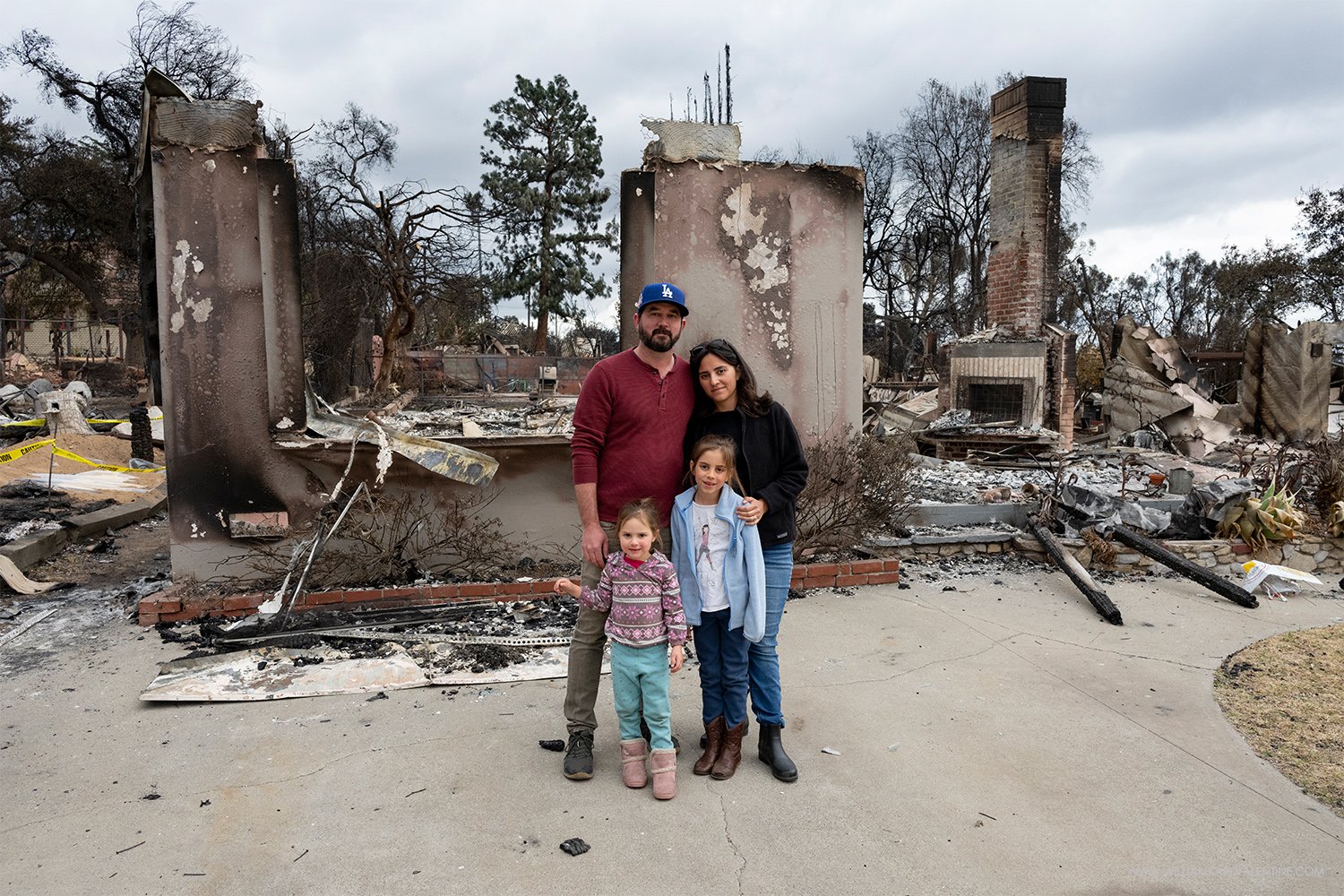
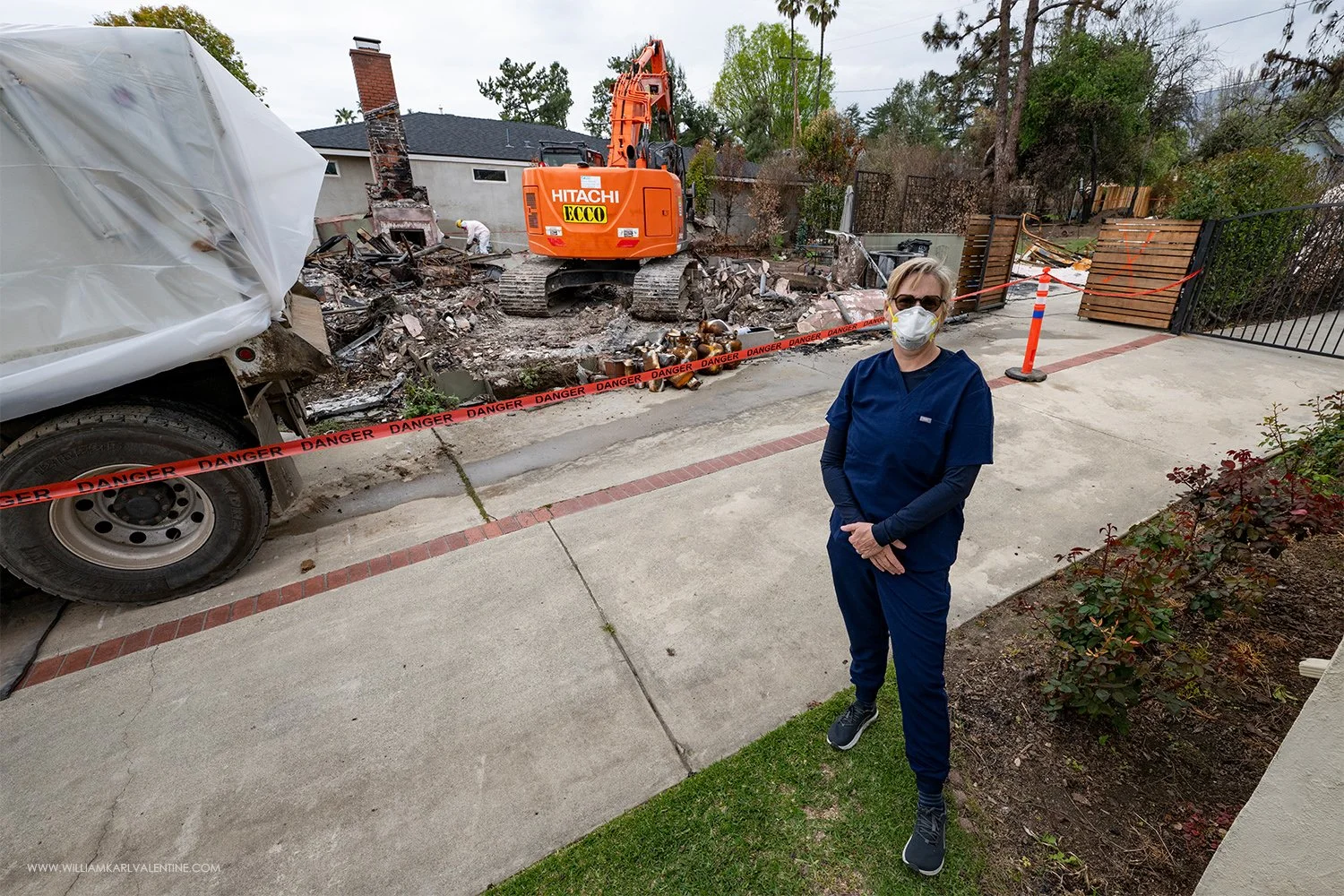
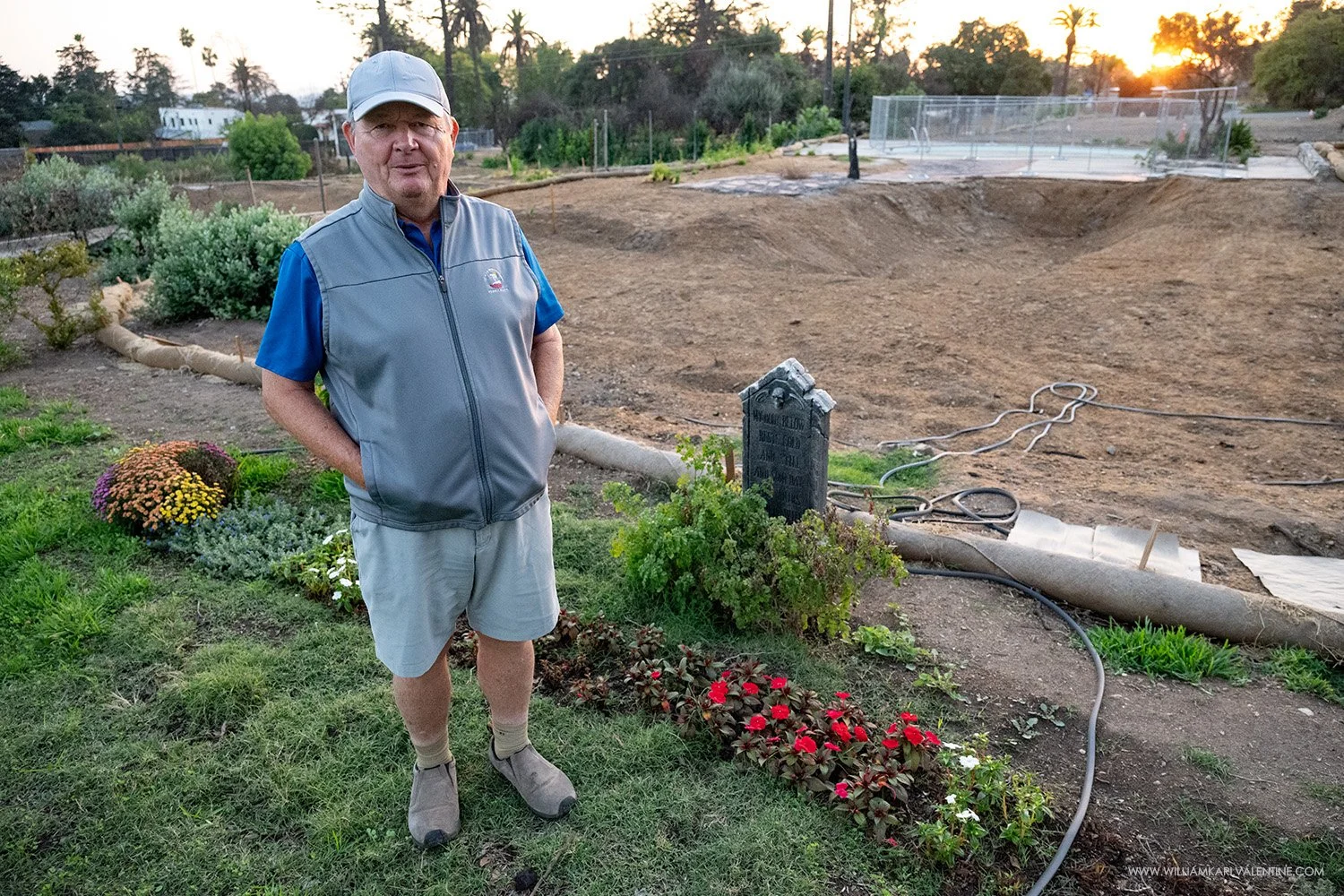
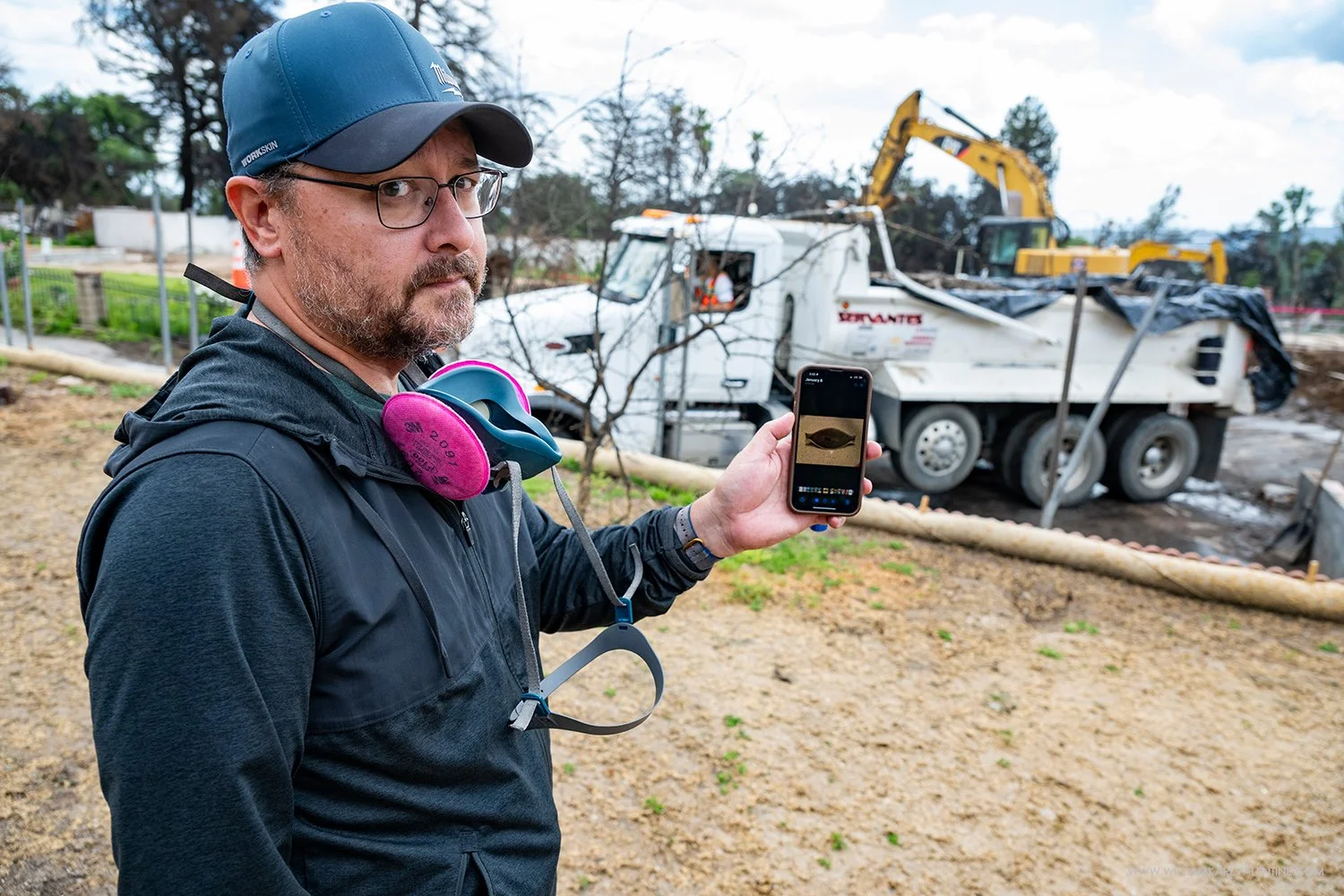
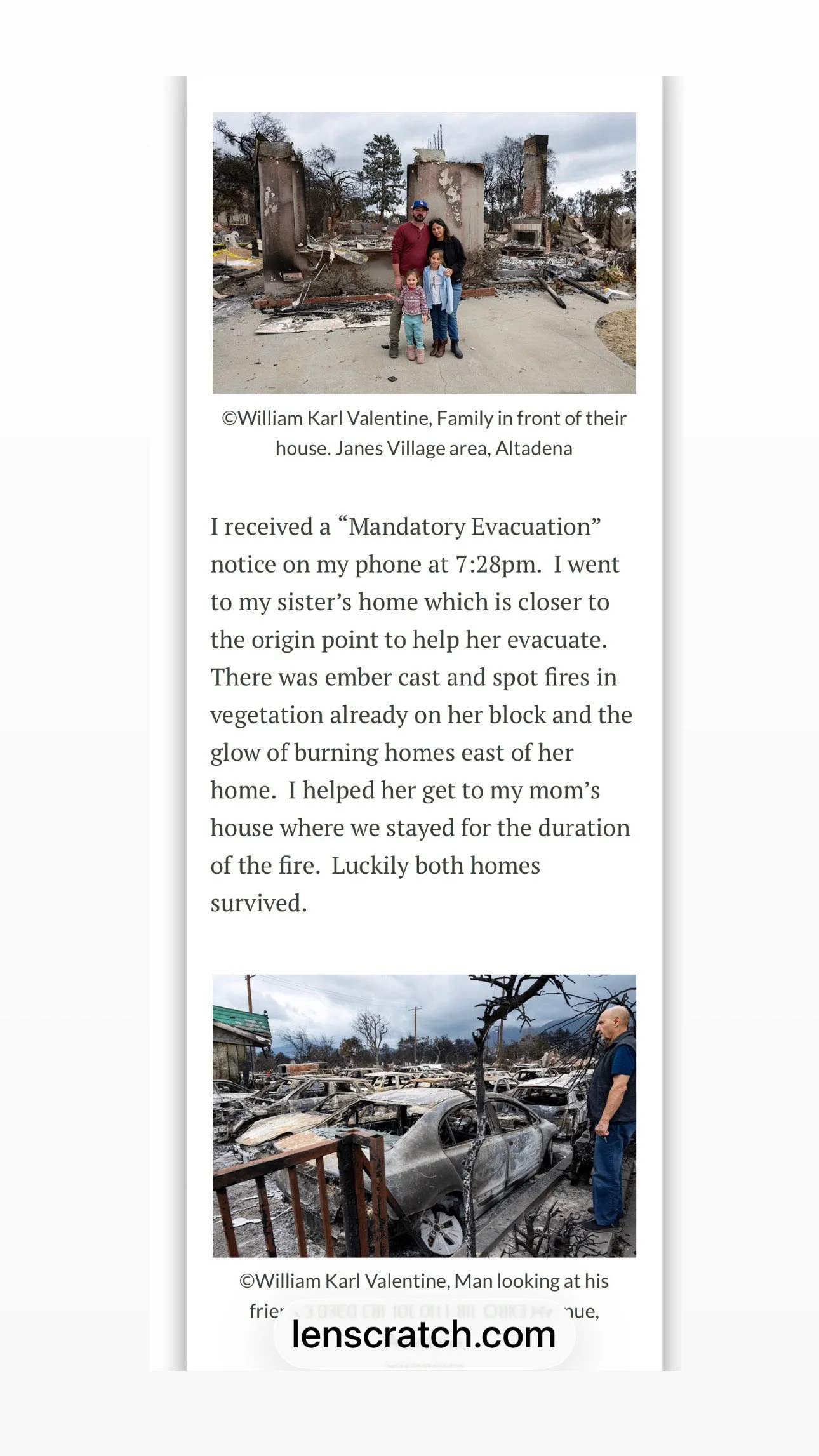
I am pleased to announce that Aline Smithson is showcasing my Eaton Fire Portfolio today, which is the one-year anniversary of the fire.

William Karl Valentine: The Eaton Fire - LENSCRATCH
I am pleased to announce that Aline Smithson is showcasing my Eaton Fire Portfolio today, which is the one-year anniversary of the fire.
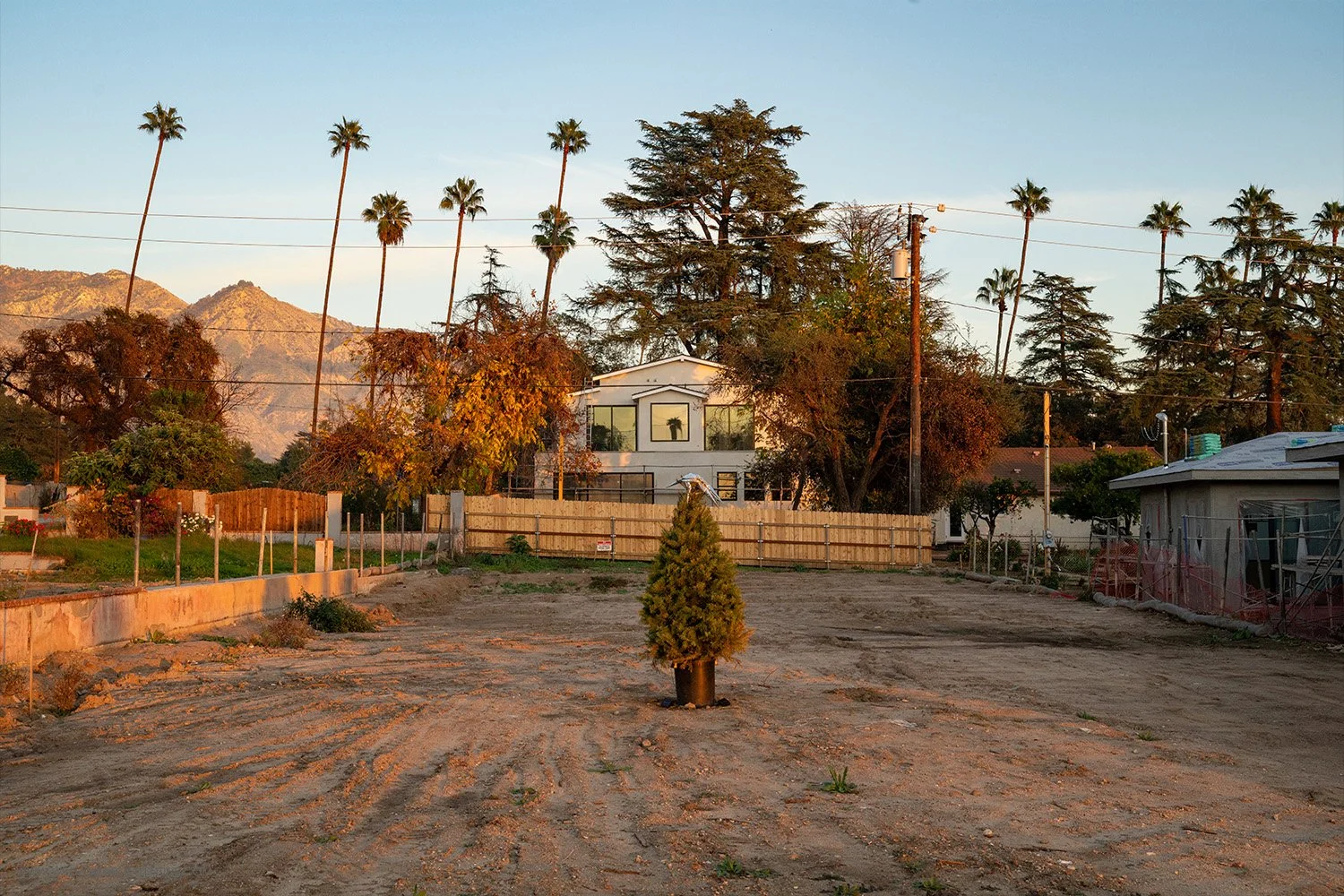
CA DSC 8334 12-16-25
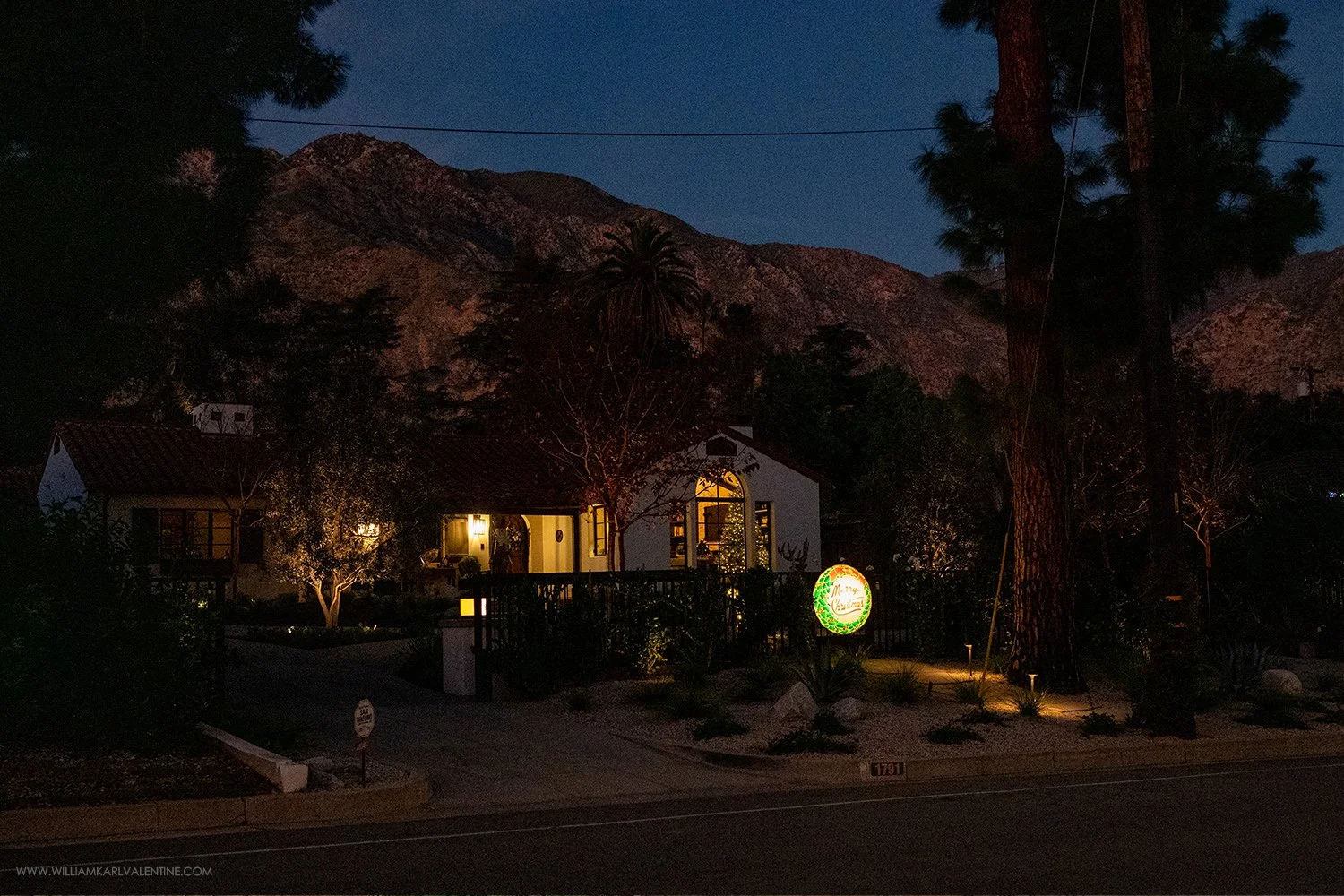
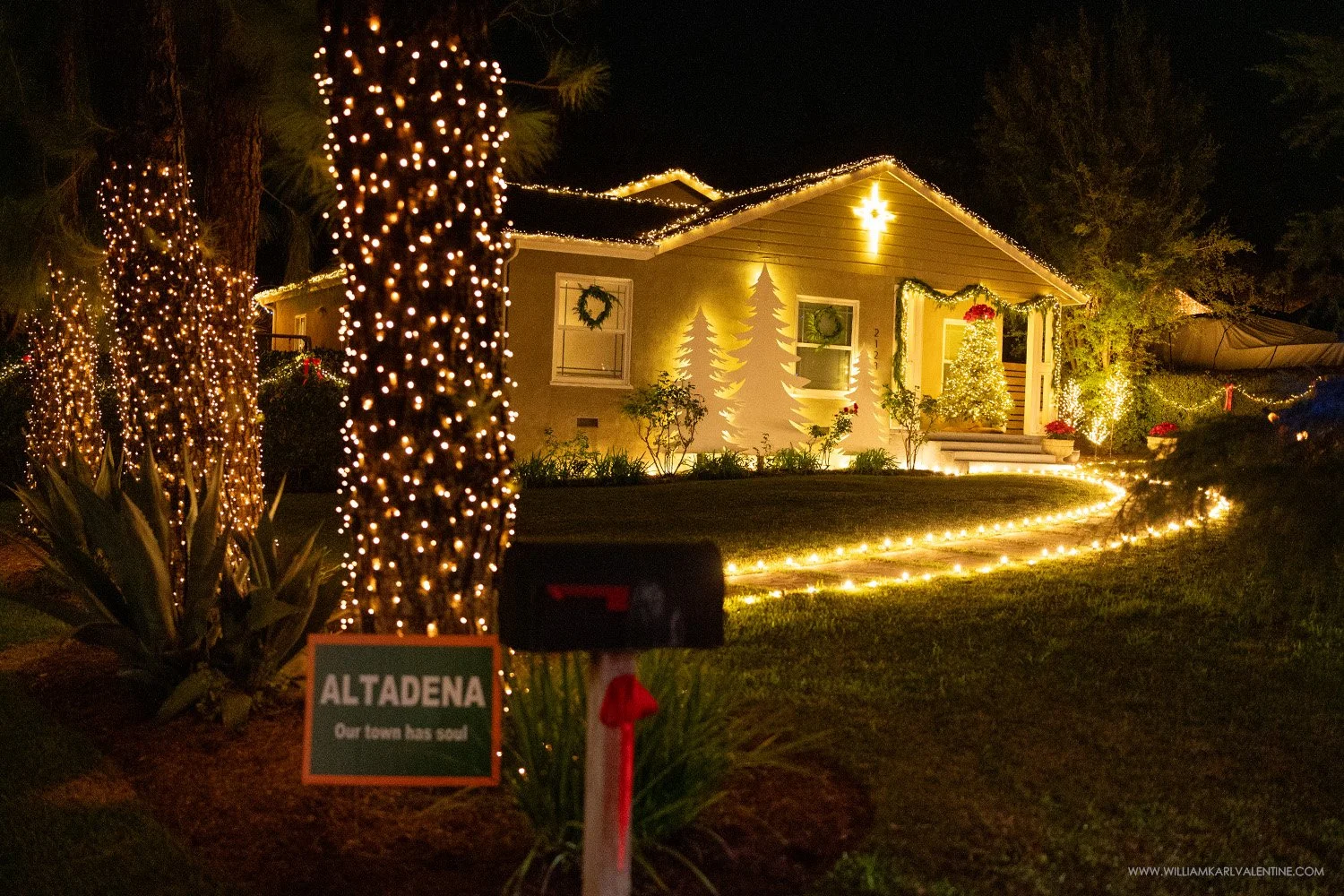
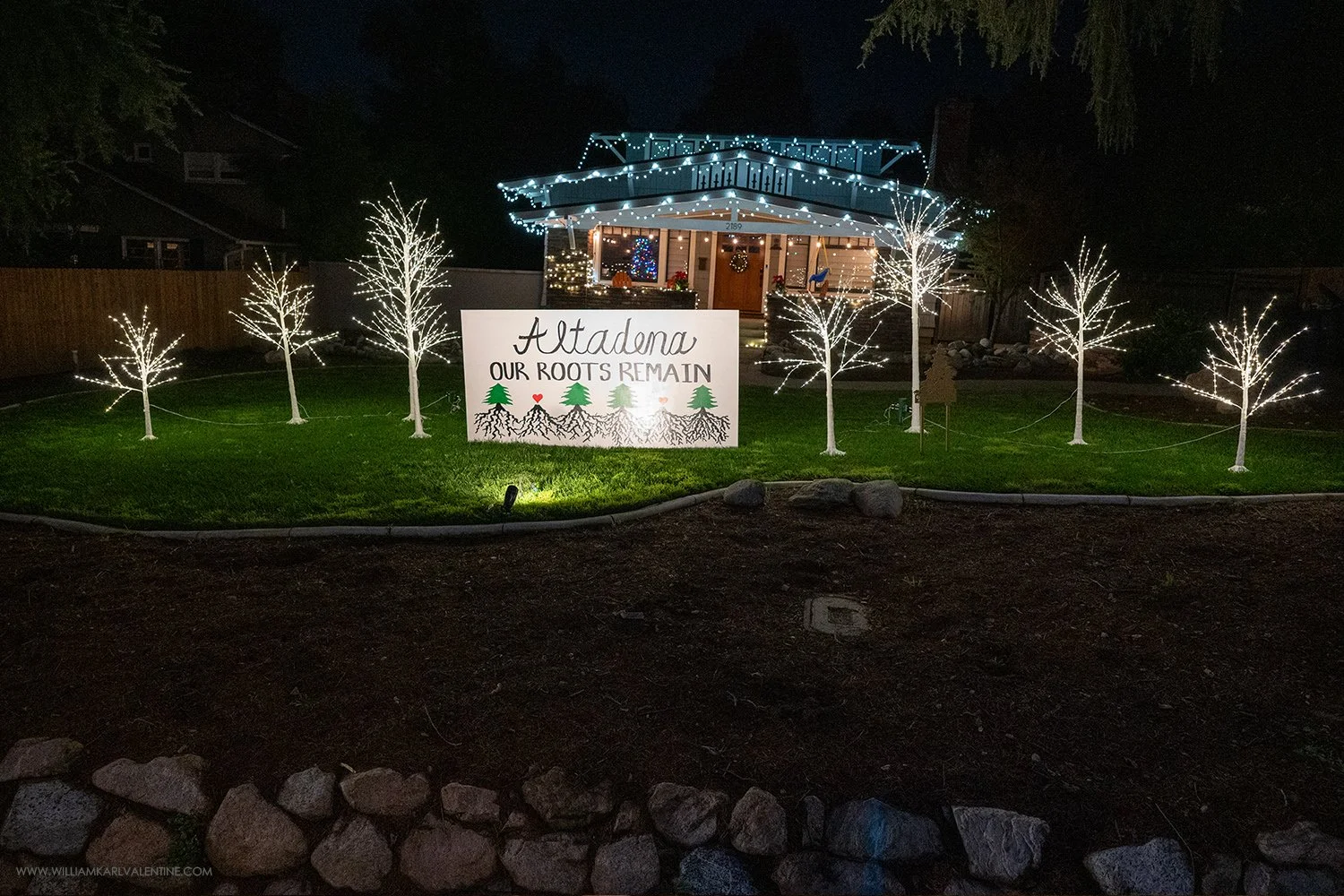
When I began photographing the aftermath of the Eaton Fire last January 2025, I came across numerous homes that still had Christmas decorations up when they were destroyed. Wreaths were still hung on fences, burnt strands of lights, and melted decorations. Every time I saw that it magnified the fact that each mound of rubble had been a family's home. Everything I saw obviously was a reminder but with Christmas you think of joy and hope, children, and home. When I saw homes in April and May that hadn’t burned but still had Christmas decorations up, I knew those people were still displaced waiting to get their homes cleaned. I reminded me that the impact went beyond just the homes that were lost.
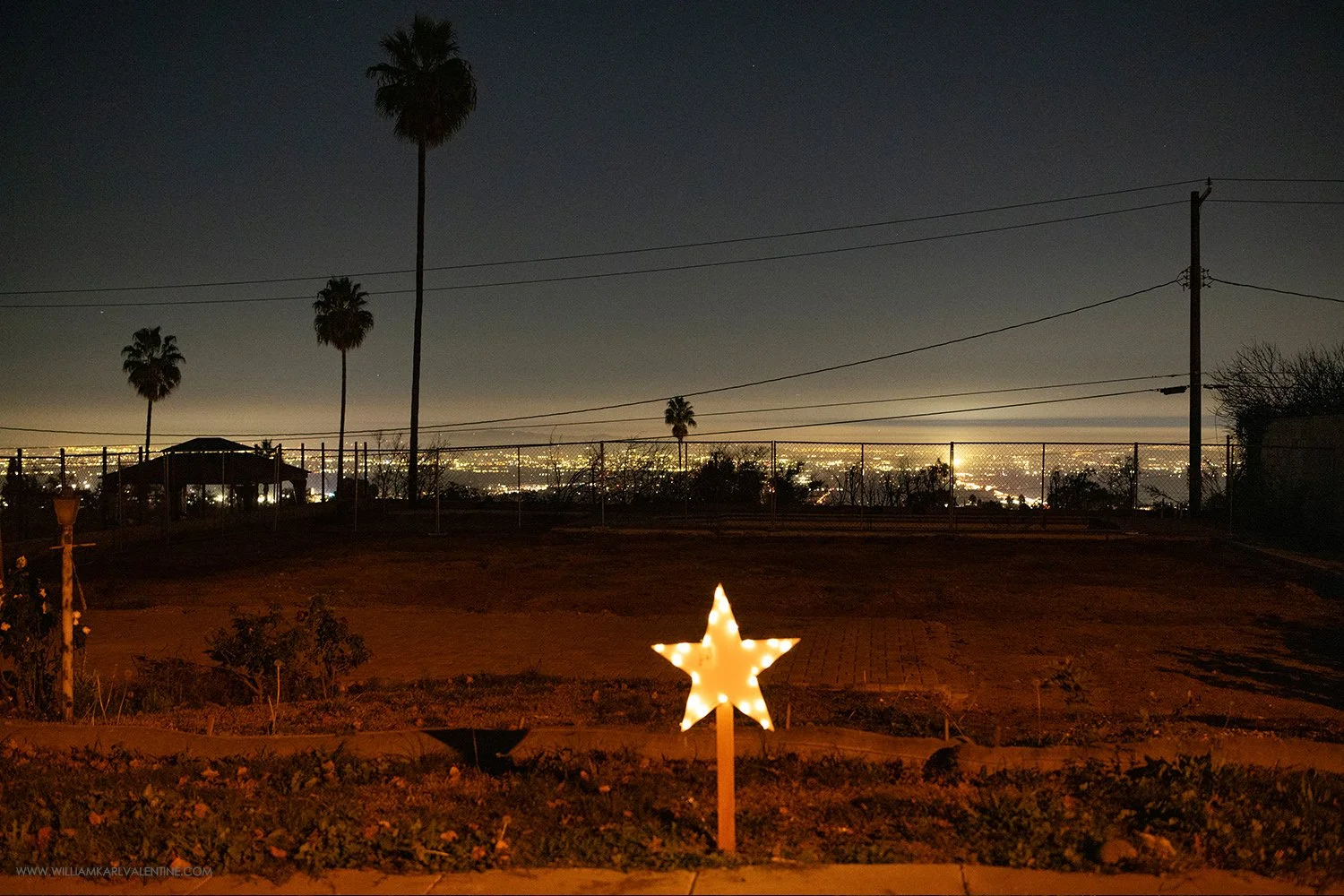
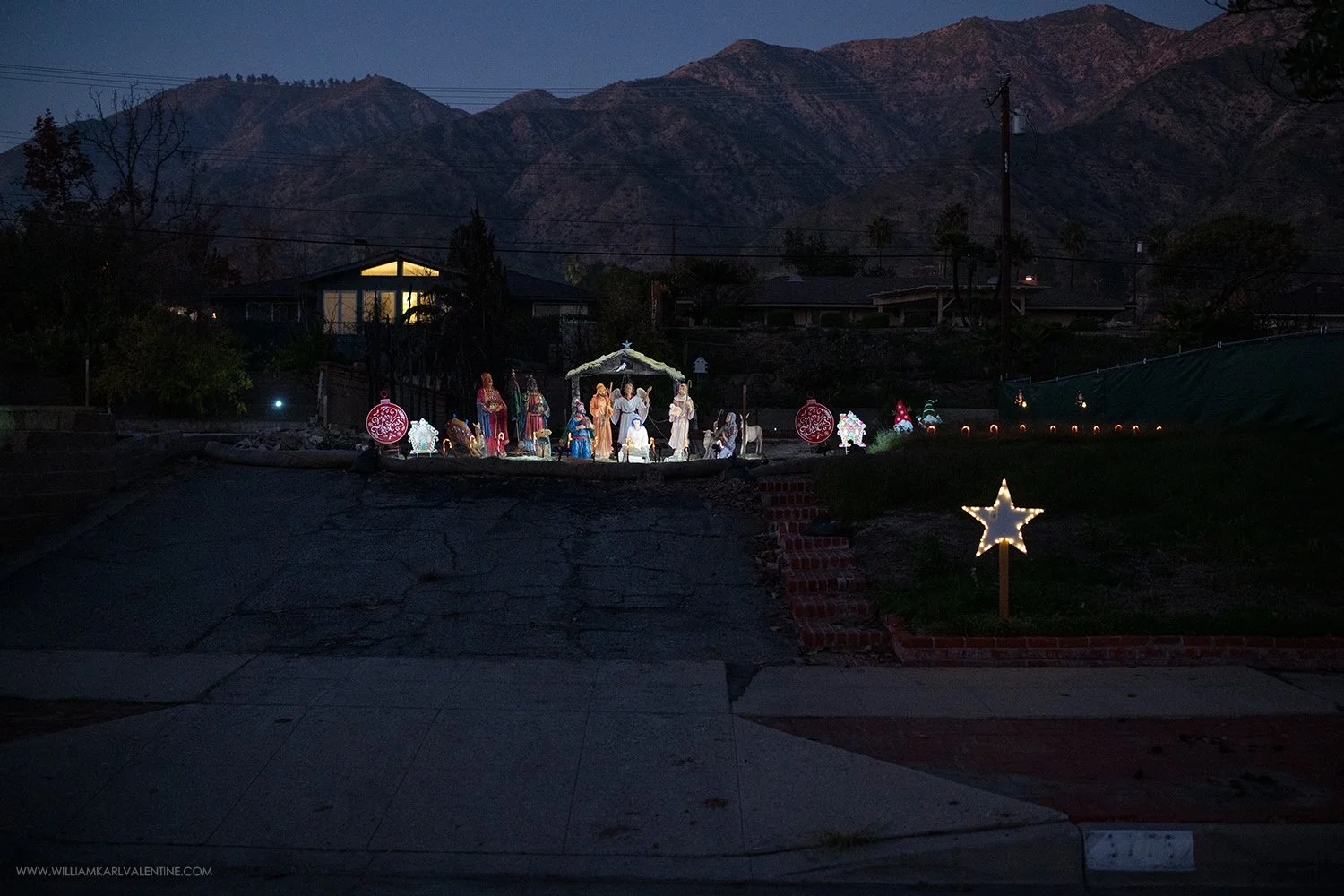
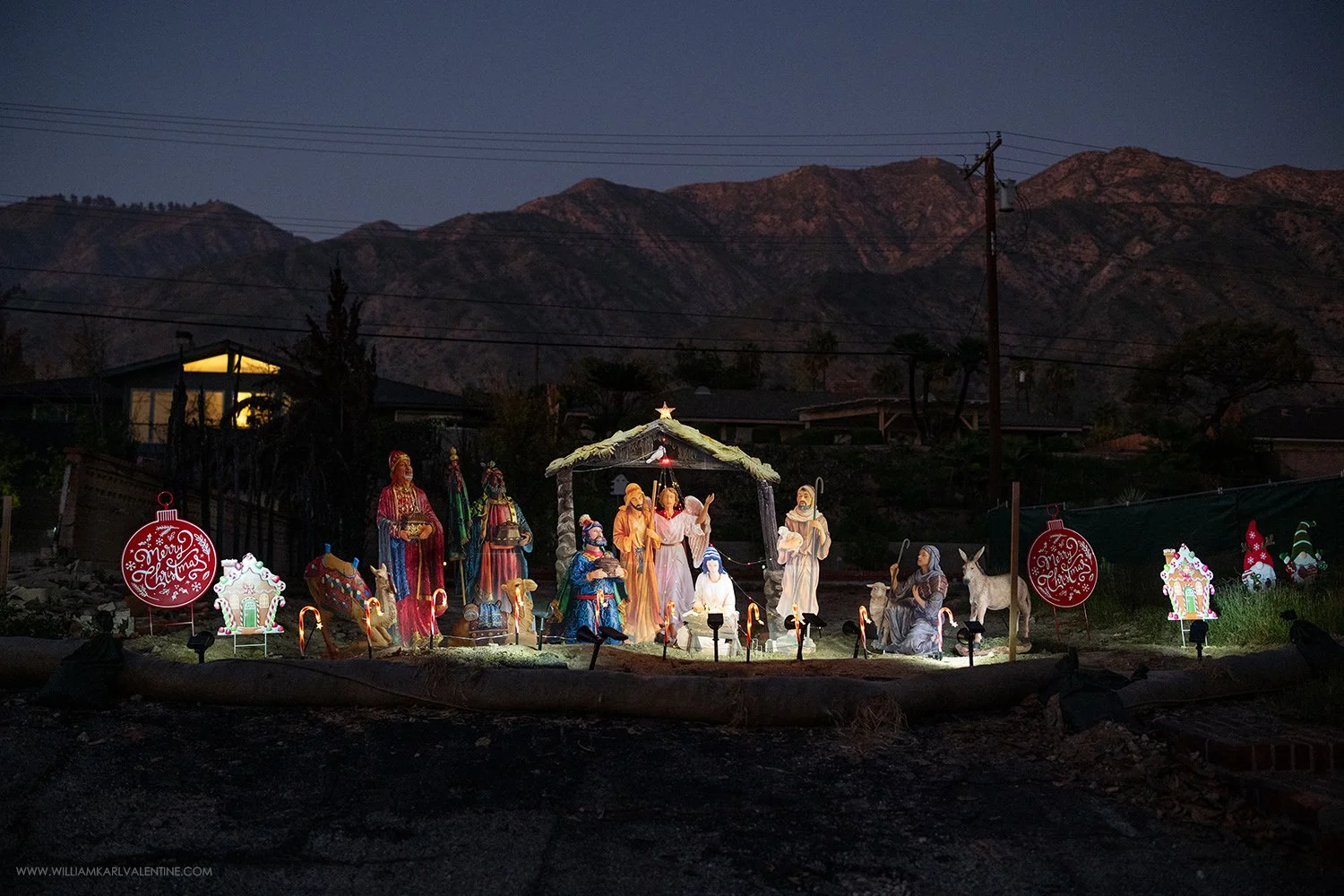
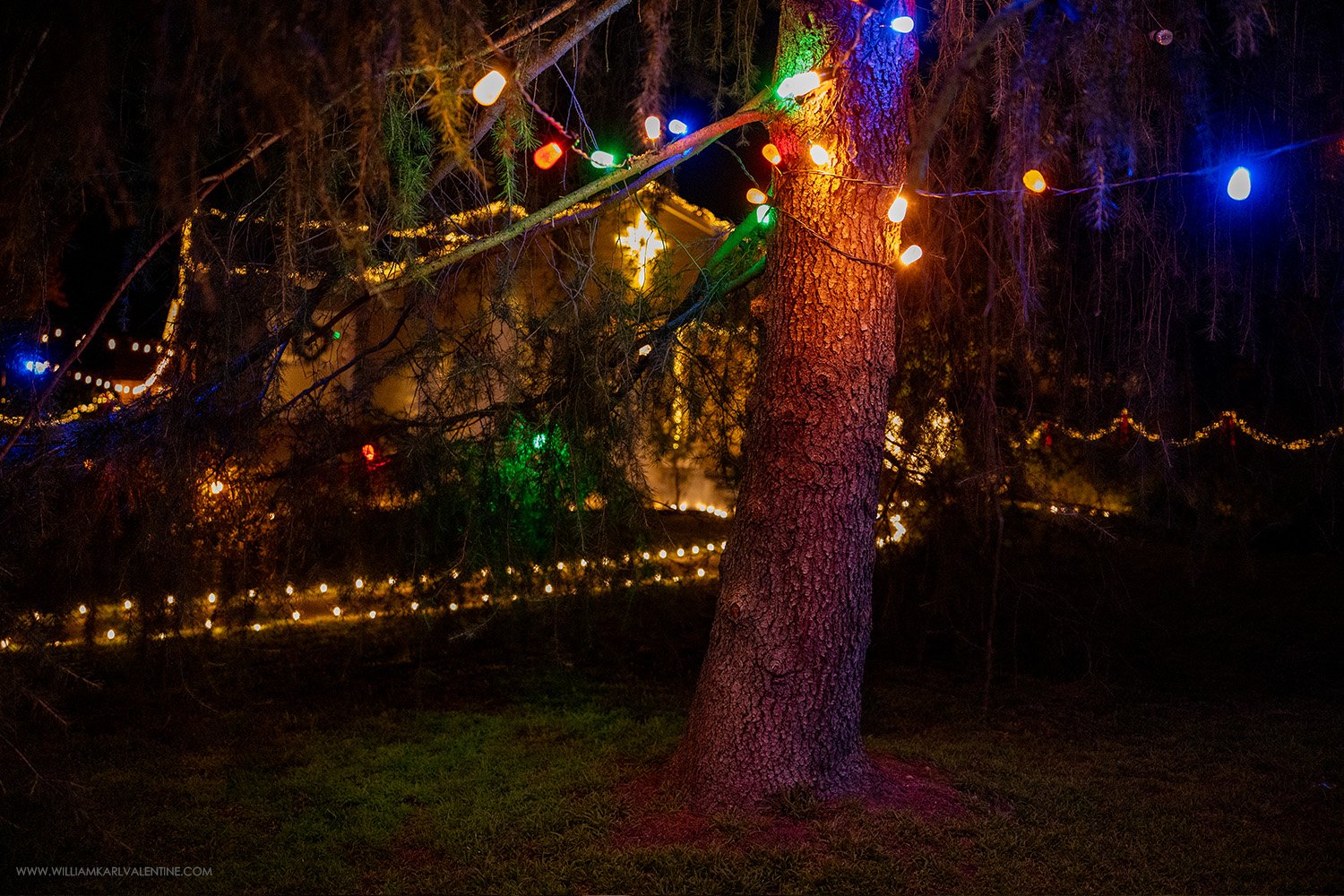
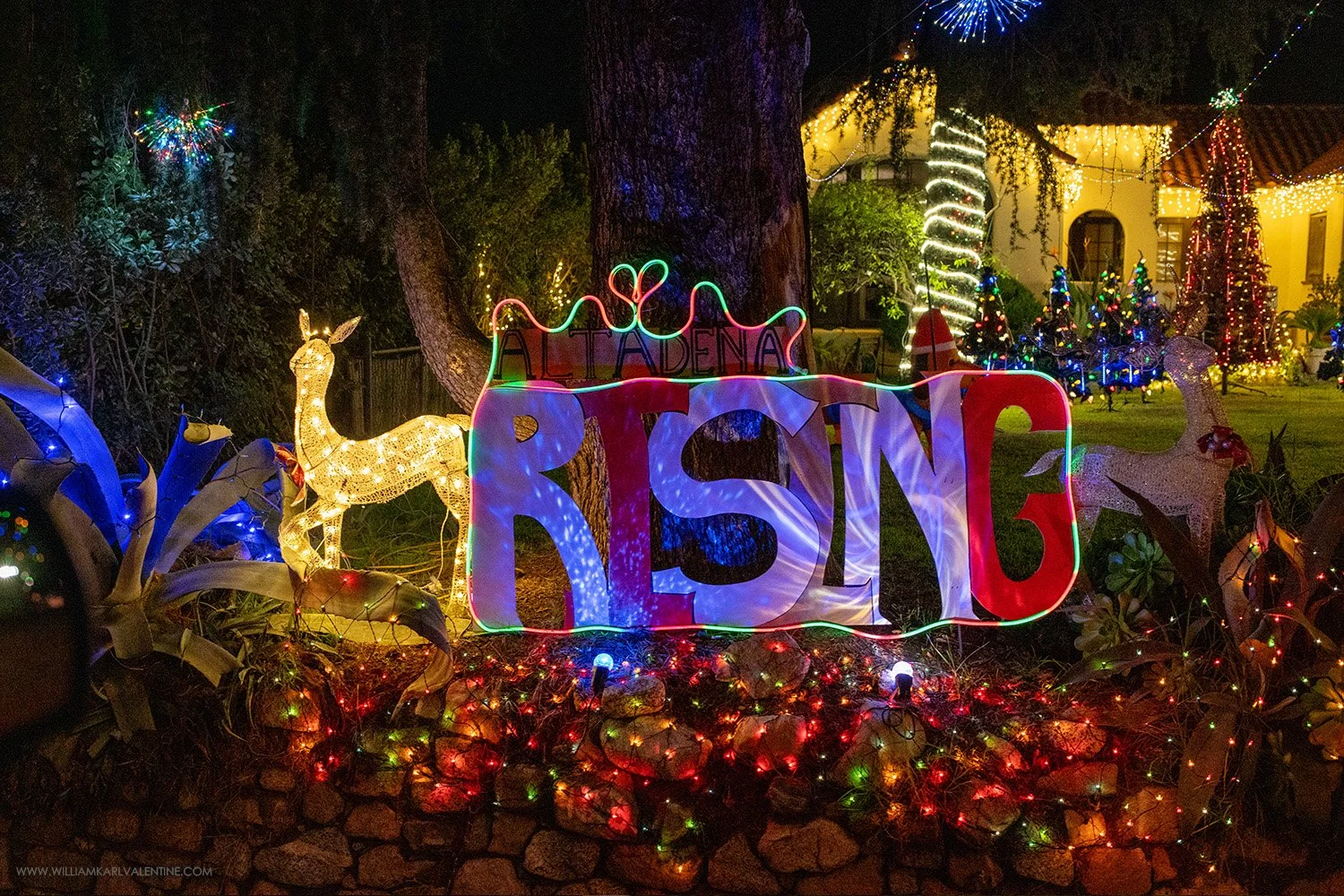
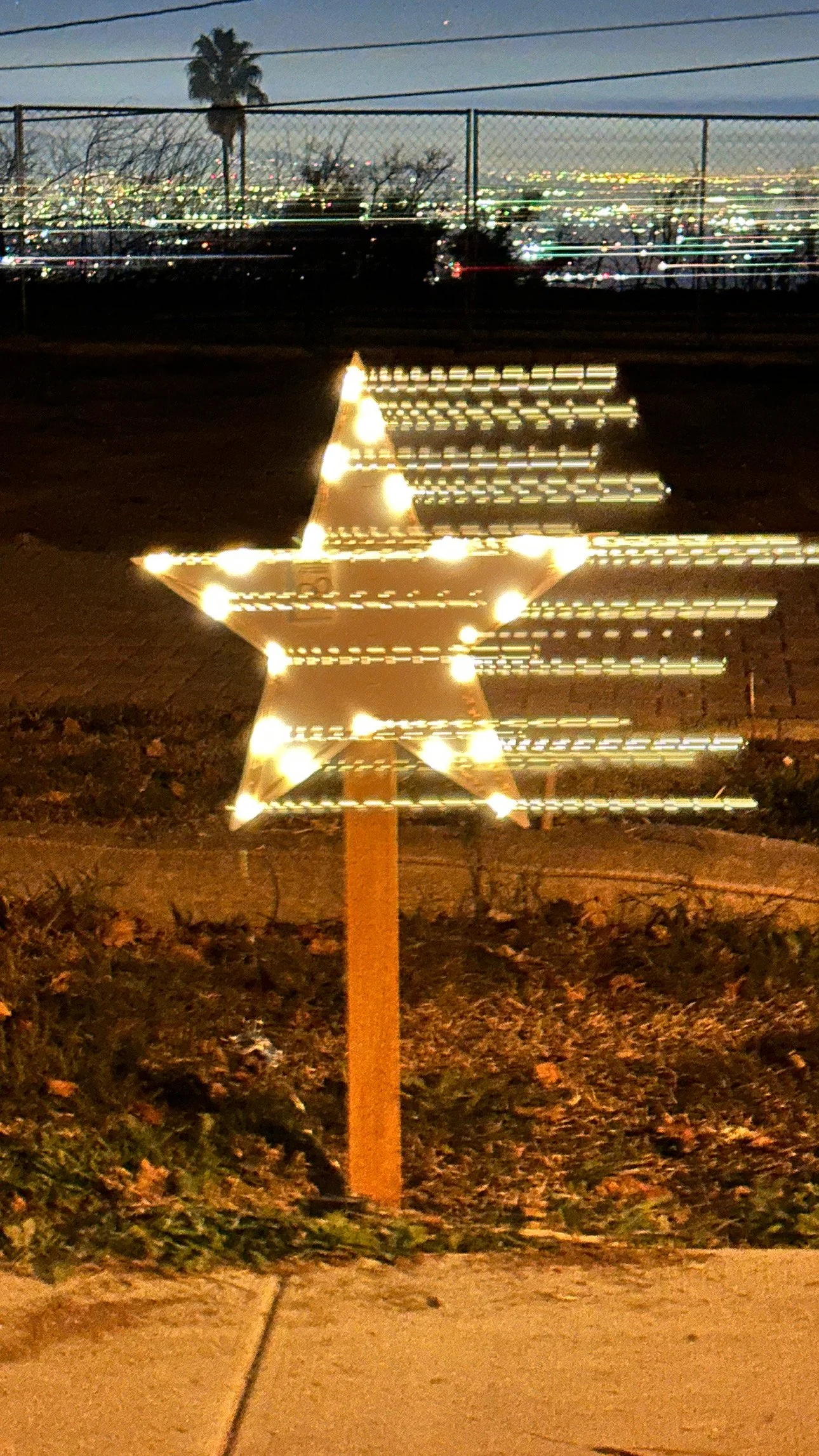
This year I have returned to some areas multiple times to photograph. There is one lot that the homeowner decorated for every holiday. The Werewolf of Altadena also changed attire for holidays, and this past month I saw lots of people making a point to recognize the hope of Christmas by still decorating in some way. In Upper Hastings Ranch the community there has a long tradition of decorating each street as a different theme. I remember going there as a child and my parents driving me around to see the lights. Dozens of homes were lost in Upper Hastings Ranch and the association there has placed a lighted star in front of each house that was lost. One owner set up a Nativity Scene where their home once stood. I have seen lots of signs of hope and resilience throughout the burn zone. This past month I have met people effected by the fire and with each conversation I have been impressed with their resolve.
As we approach the 1st anniversary of the fire on January 7th, I wanted to showcase my recent images from Altadena and Pasadena to show how far people have come and how much further the area has to go to recover.
Christmas Tree Lane - Altadena
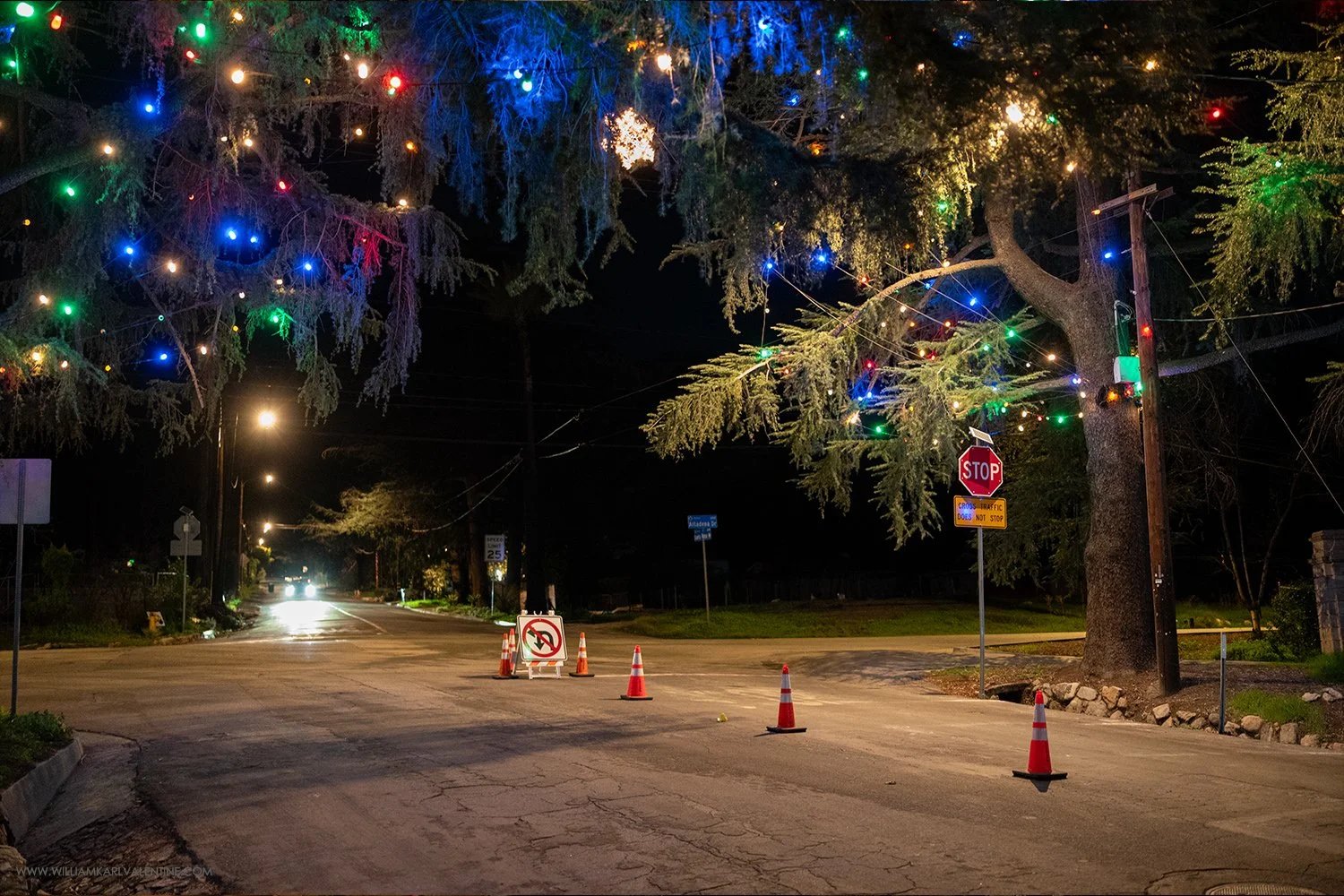
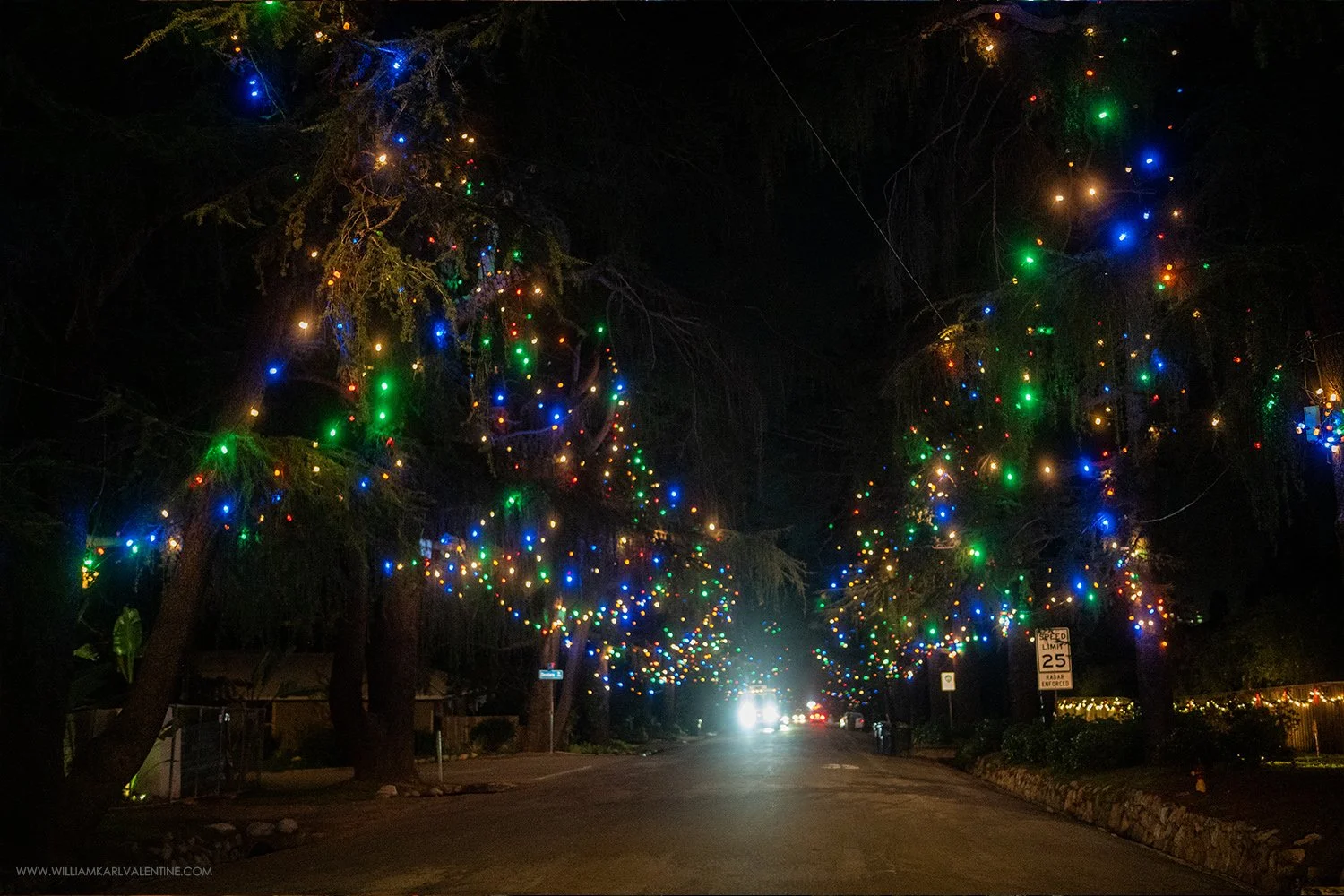
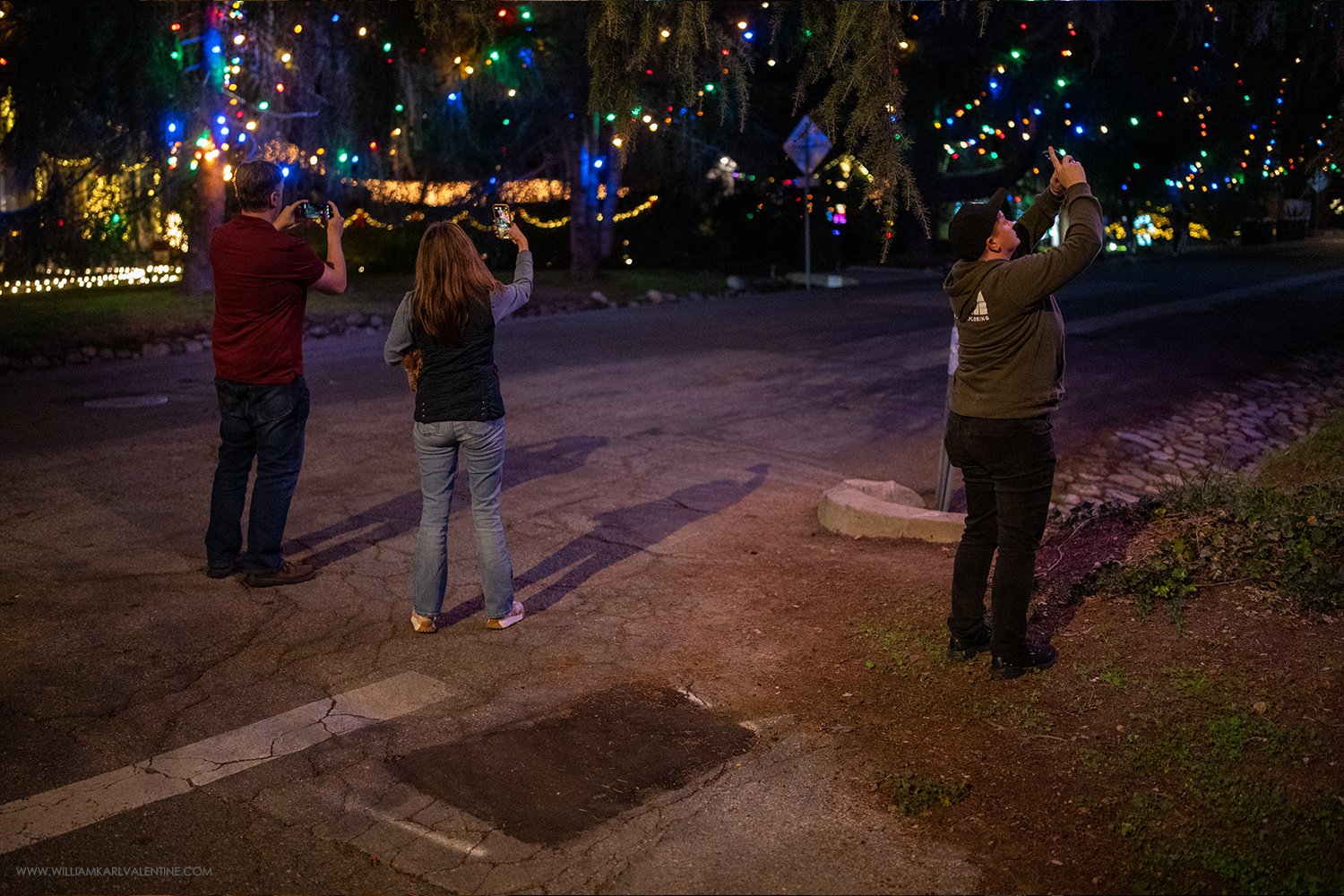
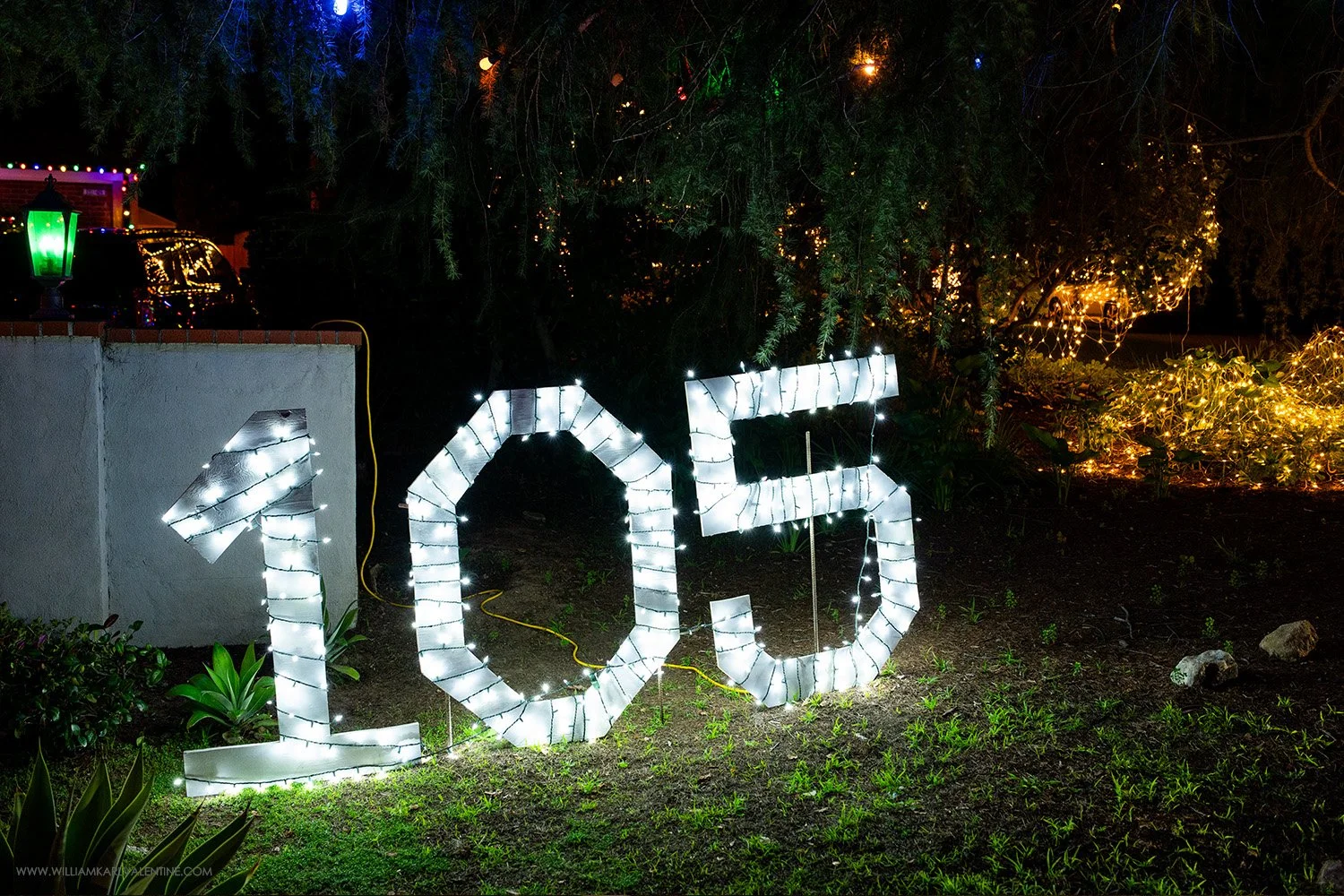
Deodar Pine trees line Santa Rosa Avenue in Altadena and for 105 years the residents have hung Christmas lights on the trees. Miraculously none of the trees were lost in the Eaton Fire (the trees have properties that protect them from fires) but unfortunately several homes on the street were lost. At least one of the homes has already started reconstruction. It is a tradition I remember from my Childhood and I am so grateful that it wasn’t lost in the fire.
Adrian Molina - Owner of Sidecca
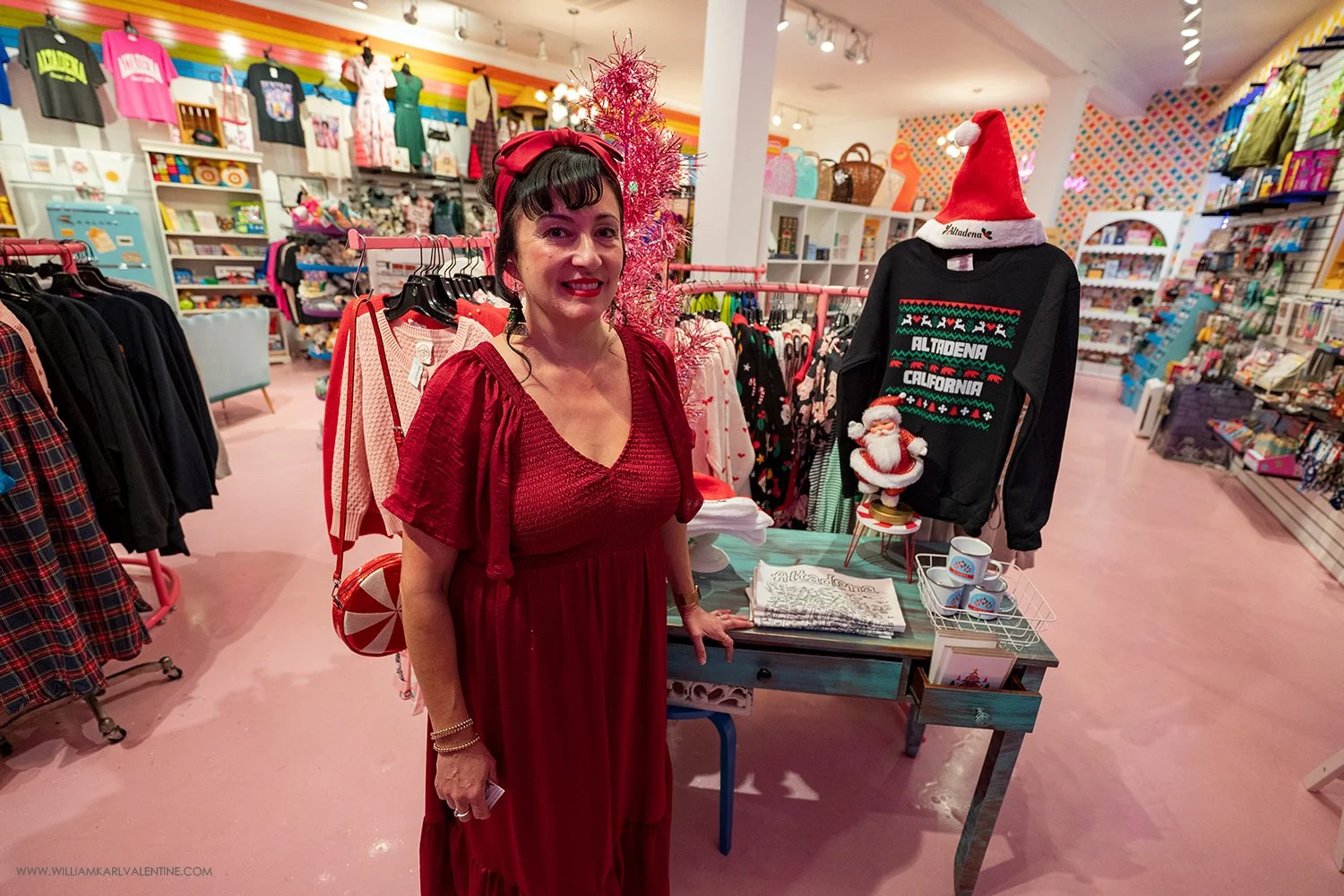
CA DSC 5920 11-30-25 Adrian Molina
Sidecca is a boutique shop in Altadena on Lake Avenue which survived the fire with just smoke damage. They have long carried Altadena themed products and really represents the community well. I was able to get Adriana to pose for a photo shortly after she reopened in November. She had to shut down again a couple weeks ago when heavy rains caused massive leaks in her shop. She is amazingly resilient, and I am sure she will be back because I know her customers will continue to rally around her. www.sidecca.com
A Couple Images from my Phone:
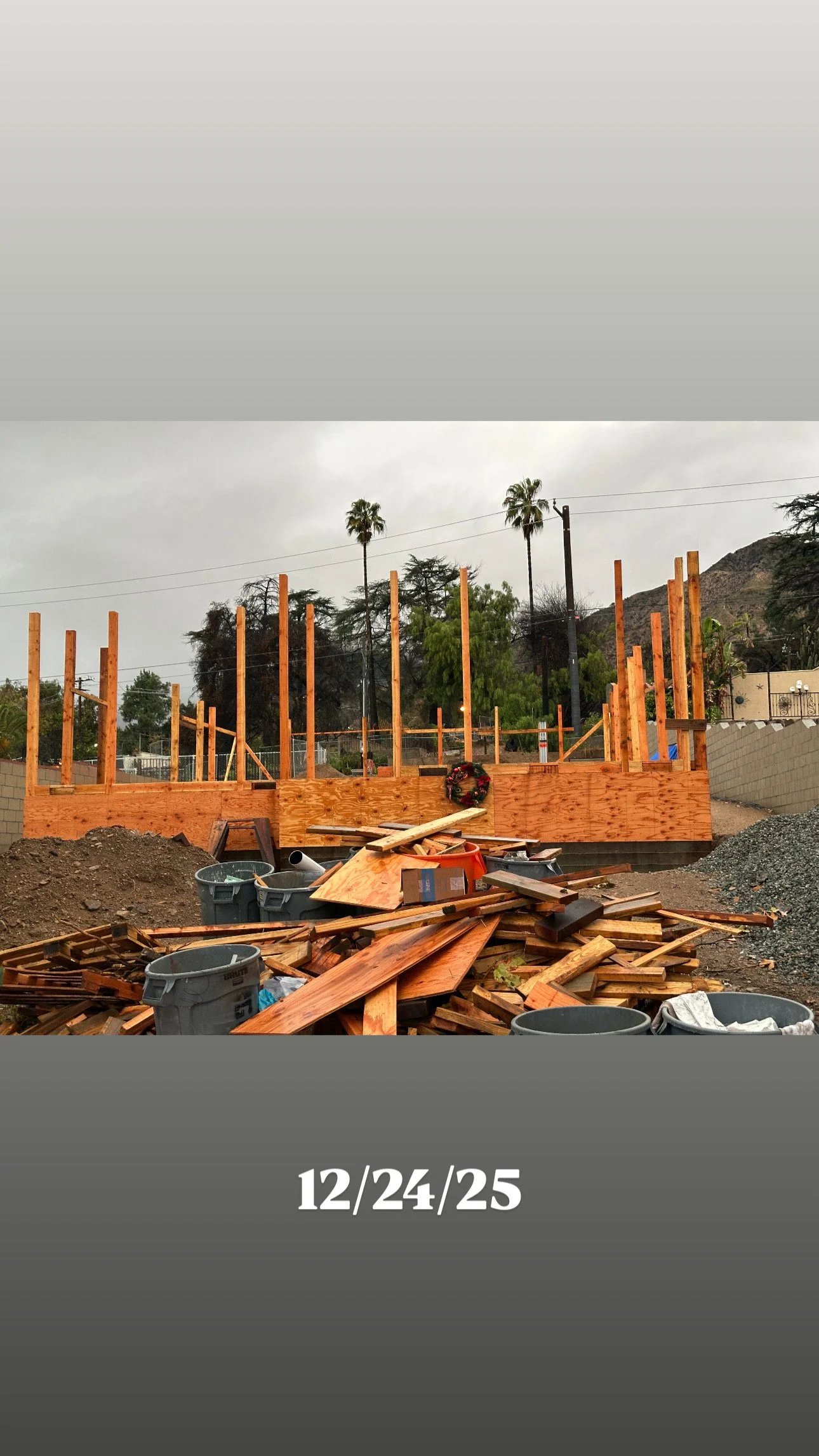
Finally, two images from my phone. One from Christmas Eve when I found a house that is in the process of being framed where the owner had hung a wreath on the plywood. The other is something my phone created when I apparently moved during a long exposure in Hastings Ranch. Happy New Year and may the recovery from the Eaton Fire pick up speed in 2026. Lots of people still hurting up there.
CA DSC_7379 11-22-2025 - Jun Li Lujan, First to rebuild and move back into a home lost in the Eaton Fire. Pasadena
The Eaton Fire this year really reminded me to be thankful. First that my mom, who lives in Pasadena, was fine and our family came through it pretty well. But then every day I photographed in burn zone and saw the incredible loss it reminded me to always be grateful for what I have.
Most the time when I photograph in Altadena it is in solitude since so few homes have been rebuilt. I have been lucky though to have had some incredible conversations with people this year. A lot of people just wanted to tell me how they felt, or what they witnessed, or what special item they lost. A lot of these conversations have been really powerful, especially when they talk about their resolve to rebuild. It is also so random how I have come in contact with some people, like I was guided to that spot.
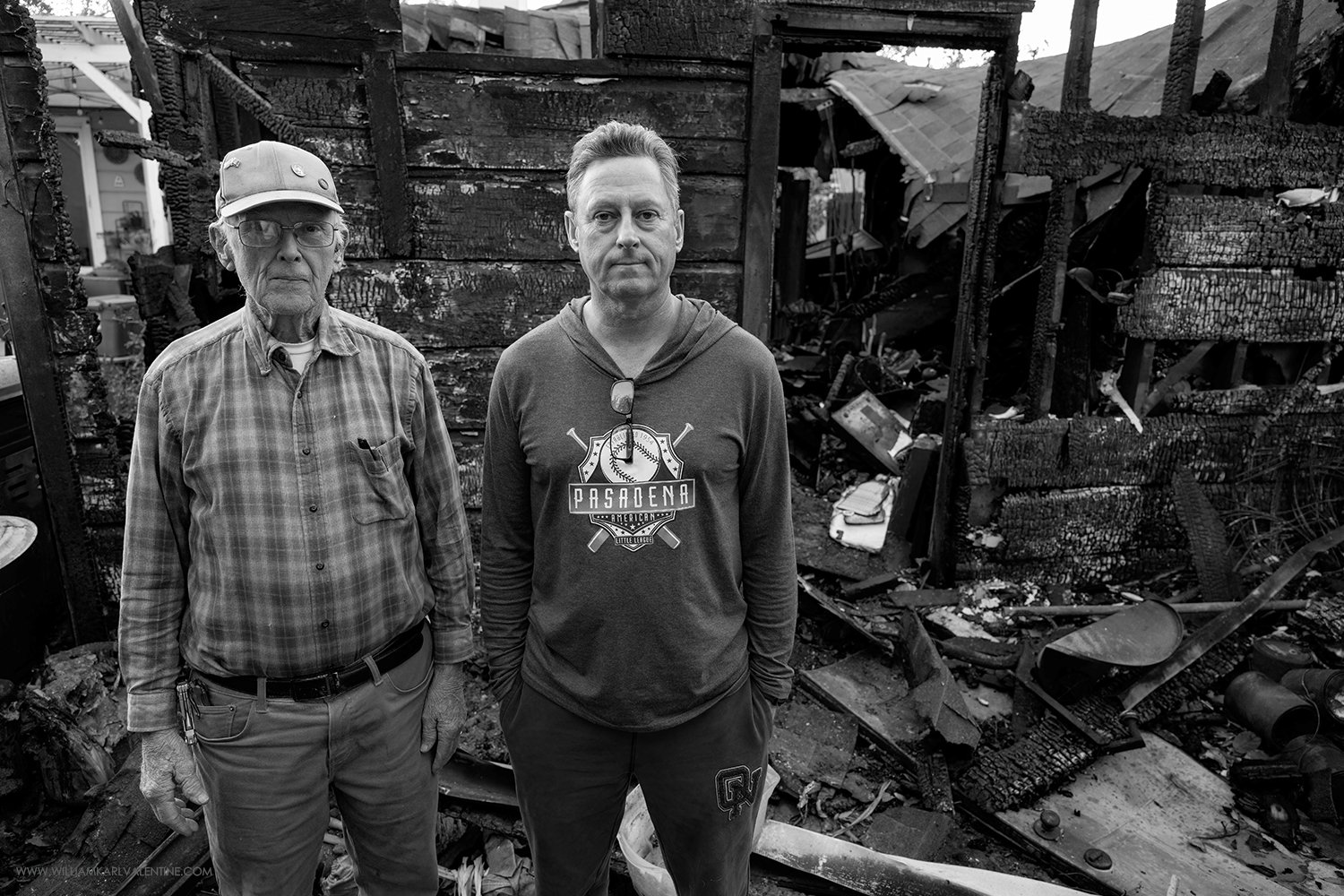
I saw Jun Li Lujan being interviewed on TV last week about being the first resident to be back living in a home that was rebuilt. I figured out what street she lived on and went over to photograph the house. As luck would have, I caught her at home and was able to photograph her. Her house is in Hastings Ranch, in Pasadena. Jun is a dynamic human, and she took the loss like it was a challenge to rebuild. She is a contractor and home designer, and she had built the home that was lost. Her positive outlook was admirable. In May I talked with Rob Moreland for half an hour about his Eaton Fire experiences. I learned a lot about the progression of the fire and timeline from him. He was another person with a positive outlook as was John who I met in September. There were a lot of great neighborhoods with good people who were impacted in the Eaton Fire. A lot of people up there are still hurting.
I believe my Eaton Fire Portfolio was assigned to me. Too many times, I have been at the right place at the right time to get amazing images or meet people. Although this process has been hard on me, I am grateful the task was given to me, and I will continue to do my best to complete the mission.
One final thing, I am also still thankful for the photographic talent I was born with and for everyone who has helped developed me as a photographer since then.

CA DSC 9701 1-14-25 - Del Reay Avenue, Pasadena, California - probably less than ½ a mile from my mom’s home.
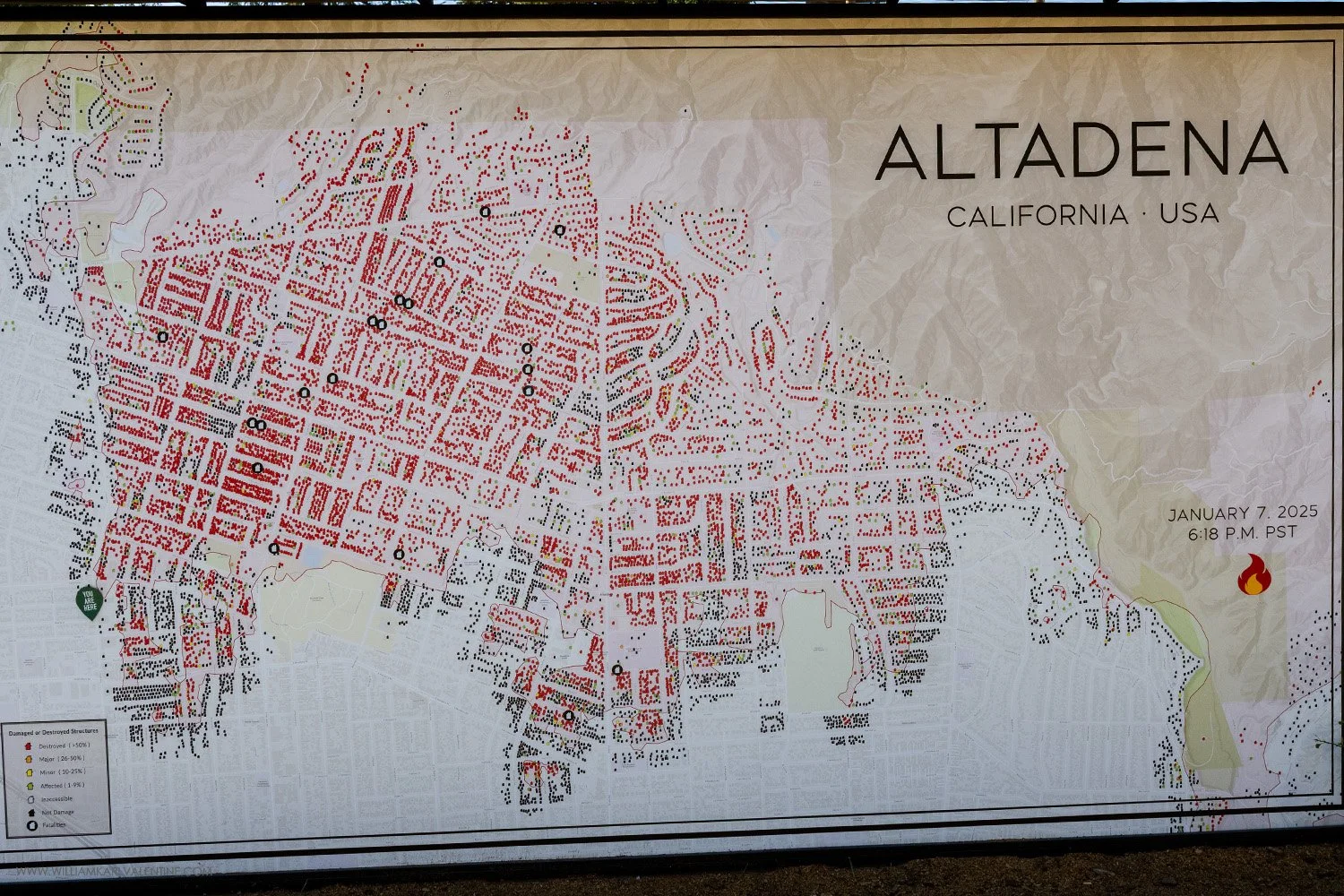
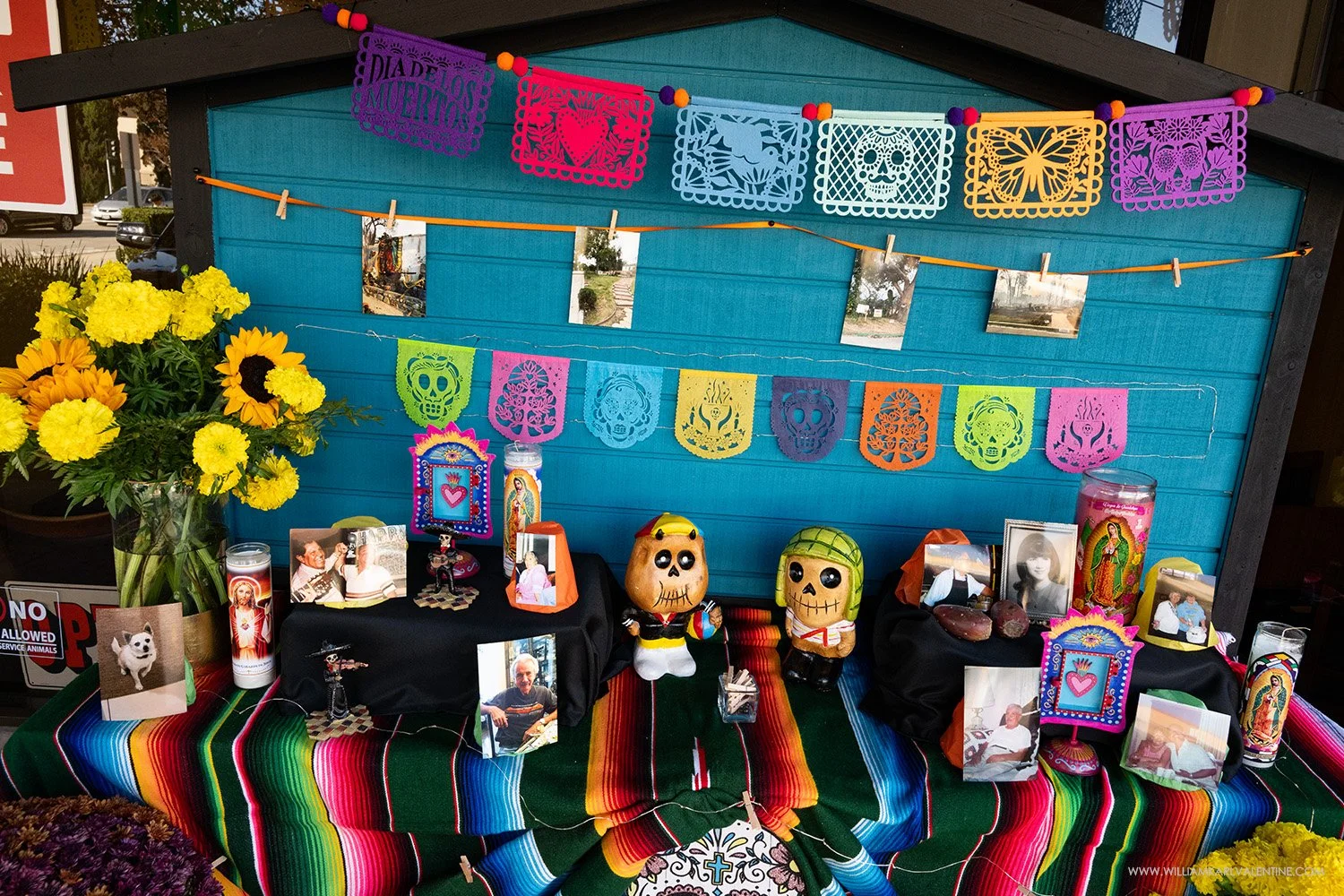
CA DSC 7092 10-31-25

Jane’s Village - Altadena CA DSC_0281 01-25-2025 William Karl Valentine
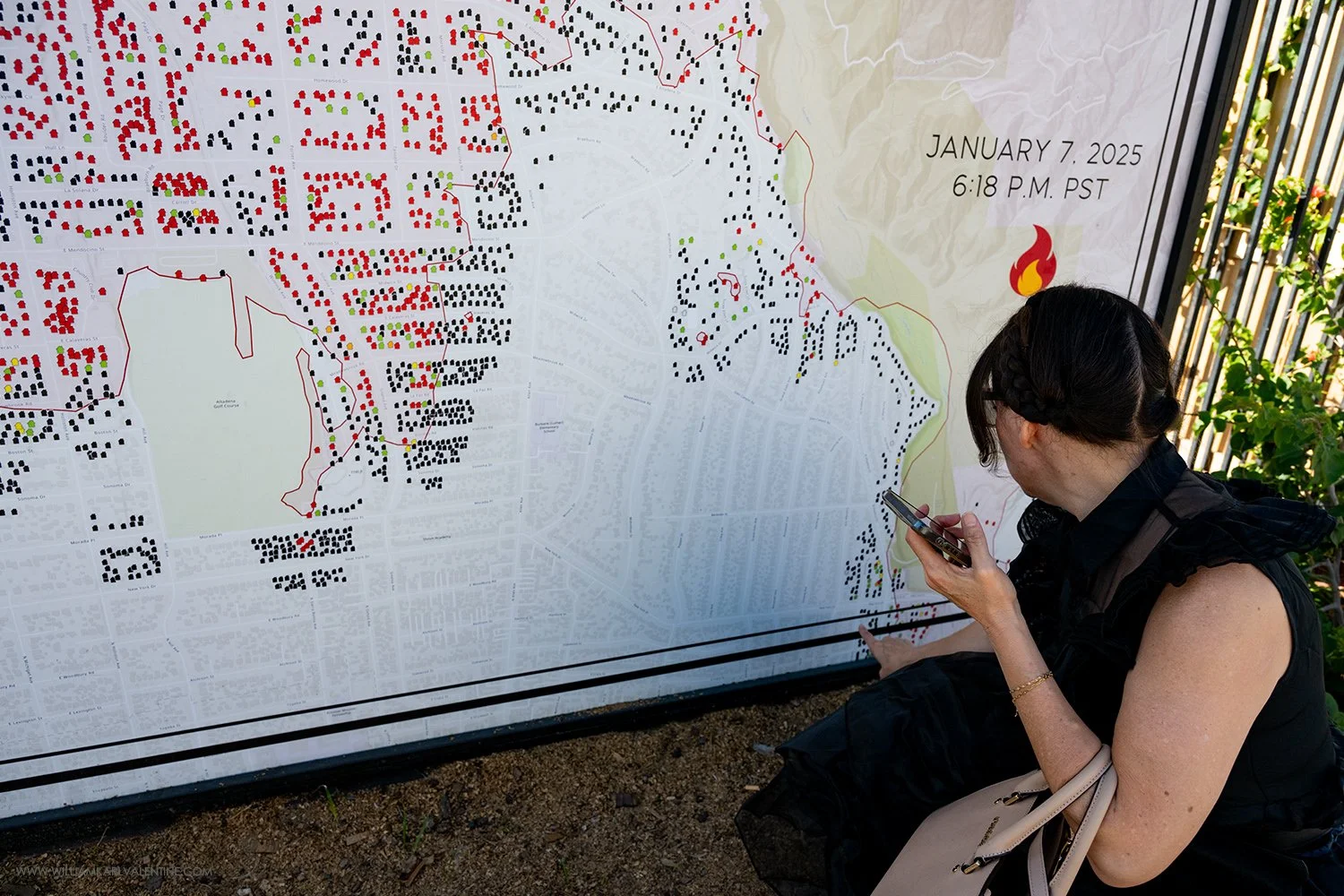
When I started photographing the Eaton Fire on the night of January 6th I was just trying to document everything I could since I knew the event was going to be historic. I obviously had no idea that fire would eventually destroy 9,000 homes and kill 30 people in a twelve square mile are of Altadena and Pasadena.
January 25th was the first day I could really get up into the hardest hit areas because the area had been closed before then. It was obvious to document the scale of the devastation but as I was doing that I also was looking for forensic evidence of how the fire moved through the neighborhoods and the individual properties. I also found that I was photographing with an artistic eye.
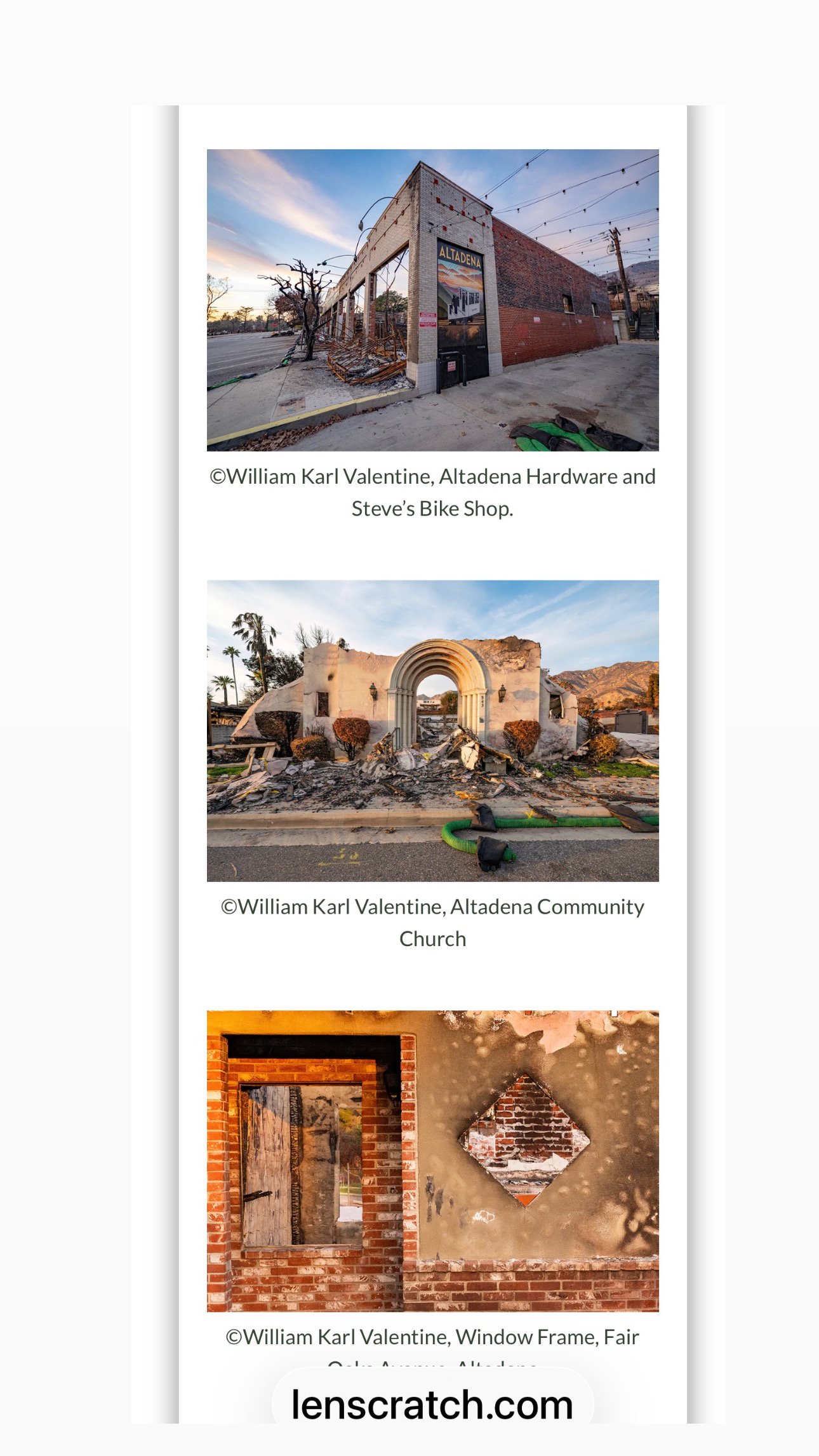
At times I have felt a little bad about looking for beautiful or artistic elements in the frame because I am documenting the worst event in so many people’s lives. But I know my intent isn’t to exploit their loss and I know it is good to look for beauty in the midst of something very ugly sometimes. As a photographer I think I do that a fair amount, I like to work in hard areas. The fire created a lot of dramatic images by how it destroyed things. With trees and bushes the fire removed the leaves to expose the shape of the trunk and blackened it to create contrast. With plaster walls the heat of the flames altered the hues on some walls and often created a split tone effect like what you can do with a silver gelatin print. Burned out windows created frames within a frame and unique images. Photographing after the rain came was also visually interesting because metal debris quickly rusted and turned bright orange which was another contrast.
A month or so ago I traded correspondence with a curator who I know, and she asked me about my editing process for the Eaton Fire Portfolio. It was an outstanding question, and I hit her with a super long reply because I also wanted to answer the question myself. I knew describing the process would have value at some point for others viewing the work or trying to better understand me as a photographer. It was also good exercise for me to complete while building the portfolio. To answer the editing question, I first had to think about the photography process. Below is some of what I wrote in my reply:
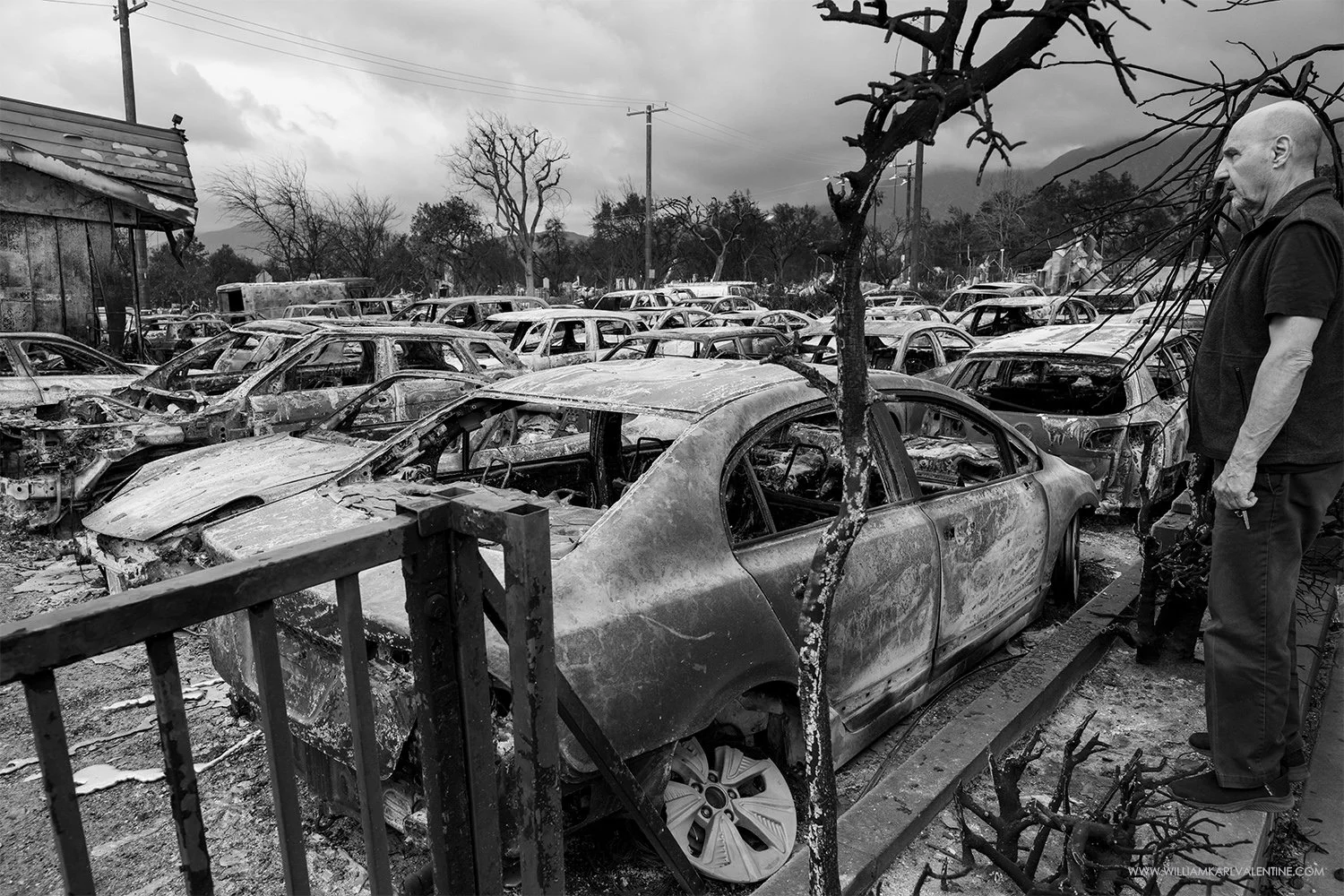
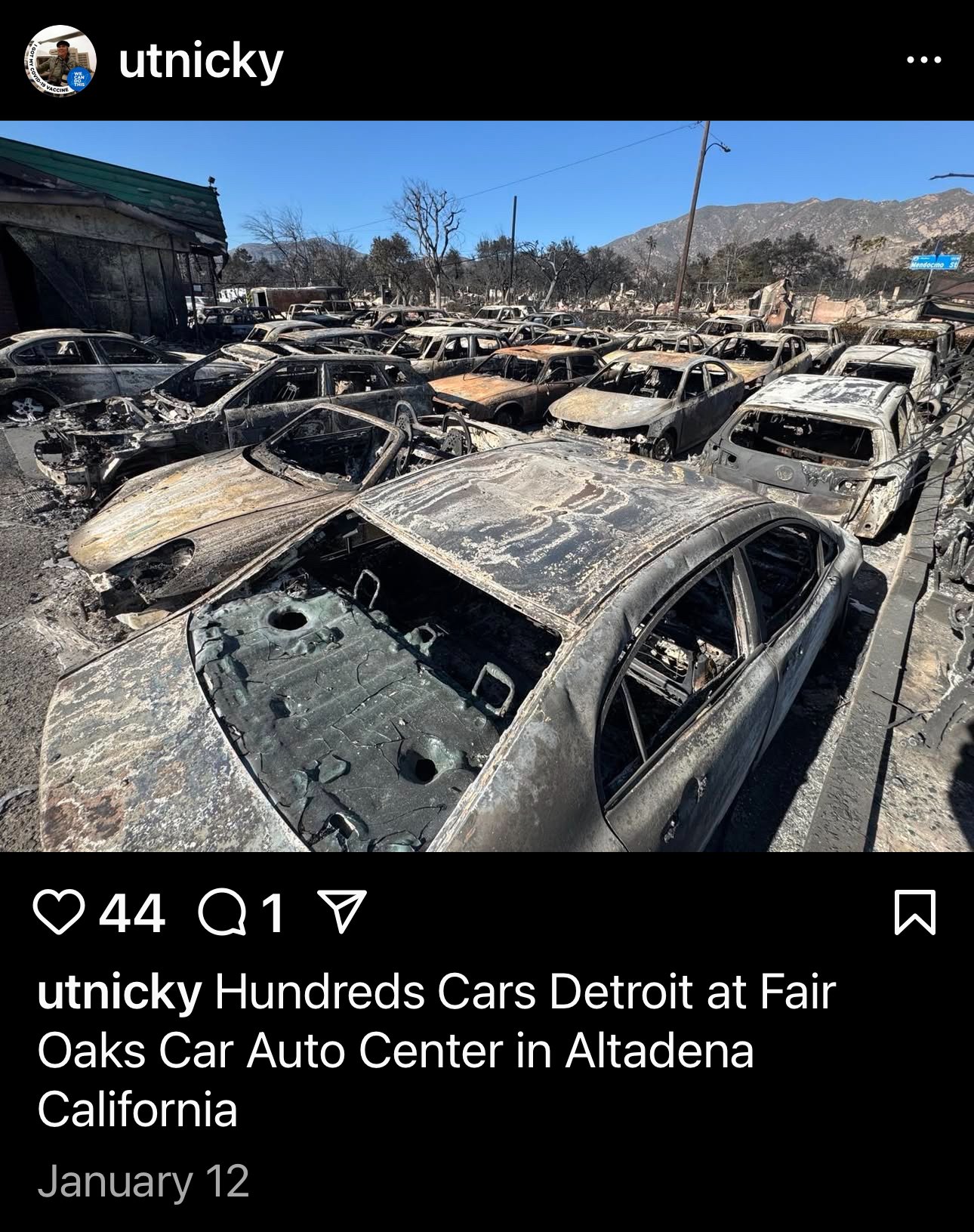
I’ve seen the world in 2:3 rectangle frames for a long time now so when I started documenting the devastation I was conscious of the elements within the frame. The big difference with this work is that most of the subject matter is static (My cemetery portfolio is very similar). So, I have been more methodical, I find something that interests me, tells the story, and I photograph it from multiple angles. I look for ways to bring out the important information and I try different focal length lenses. I also usually explore the general area for other images. January 25th was incredible because I drove up to see the condition of Mountain View Cemetery where most of my family is buried and nearby there were lots of burned businesses. I started photographing the businesses because the images were obvious. A wall with “Western Fence Co, Since 1967” and everything else gone, that image was obvious I just needed to frame it properly. Across the street the meeting hall which I later figured out was a Bible study, the burnt billboard, and the packed used car lot were all powerful subject. When I was photographing the car lot I noticed the streams of melted metals on the asphalt and then really homed in on detail as well. The shapes and forms of the metal were beautiful and so I worked with that. But the melted metal also documented the power and intensity of the firestorm.
The car lot was on the edge of the Jane’s Village neighborhood and almost all the homes on the block West of the car lot were gone. I walked into that area thinking the mass devastation would be the primary subject matter. It was but then I found the concrete flamingos that survived and partial walls with window openings that created frames within the frame. The burn patterns were interesting. The plaster on many houses changed color in the fire and it is incredible how it resembled a “Split Tone”, usually in the complimentary colors red and green, or better described as a light maroon and olive. The flames also left interesting designs on the plaster. It left different markings where it came out of vents, versus when it was burning a material against the house. The wood framing of some homes burned away but left black marks on the standing plaster wall that were very geometric. There are beautiful aesthetics within the devastation. The frame within a frame element from missing windows became interesting and I moved position to square my frame and also position elements within the background of the window frame. I then had to deal with depth of field and focus issues often making numerous exposures with different focal points.
Documentary photographers photograph in a similar ways as Press photographers and Photojournalists but there are differences. The Press photographer and Photojournalists are looking for impactful images that either complement or tell the story like documentary photographers do but they have more constraints. They have less time, and their image needs to stand out in a way to quickly grab the viewers’ attention and to focus their attention directly on the subject. As a documentary photographer I don’t have a deadline, I can revisit things again and again. I can craft images with layers of detailed information because the goal for me is to share my photographs in settings where people have time to explore the image for all the information in the image. Any type of photographer can and should be respectful when photographing subject matter like this. I have had lots of positive interactions with people while photographing in Altadena because I explain my connection to the community and I am respectful of other peoples’ property. I just felt it was important to author a post about this subject because I don’t want anyone to misjudge my intentions with this portfolio. Foremost my goal is to document the devastation, so society never forgets the impact this fire had on thousands of people.
Example Images below:
Frames within the Frame:
Branches:
Rust:
Self Portrait - January 14th, 2025 Documenting the Eaton Fire on Del Rey in Pasadena
In today’s world there are people who are triggered when they think a photographer might be about to photograph them or their property. People can be suspicious, angry, confrontational, and feel they have a right to absolute privacy wherever they go and that photographers don’t have a right to photograph anything in public view without permission. Many of these same people also are completely comfortable with having government traffic cameras monitoring them as they drive through town, or stores capturing facial recognition when they shop, or having their selfie images flung far and wide on the internet. I always try to be respectful to others but I won’t sacrifice my First Amendment rights because someone has feelings which are not congruent with the law.
I have not had any problems photographing the devastation caused by the Eaton Fire, but I have been questioned more than once about what I was doing, and I am fine with that. People in the burn area have been victims of looting and souvenir hunters, and it is good people to watch out for their neighborhood. Soon after the fire I had business cards made with images of the fire on them and links to my website. When people ask what I am doing I introduce myself, explain that I was born and raised in the area, I talk about the importance of documenting the event, and I give them a business card so they can check out my photographs. Once people understood who I am and why I am photographing I never had a problem. I often end up in long conversations with these people as they are happy to tell someone their story. A lot of people in the burn areas are hurting and need someone to listen to them. A sad thing I have heard on a couple occasions were stories about outside people visiting the area to sightsee the damage and removing artifacts from homes, people’s property, as if they were souvenirs from the trip.
I often photograph from the street and when I do move in I walk in on lawns, pathways, or driveways. Since most the houses in the area were built on raised foundations with hard wood floors it is too dangerous go on to the debris where I have no idea about the depth or the dangers of the materials underneath me. The best photographs have been from the outside looking in too. I don’t move or take items I just photograph what I see, searching out the best composition of the item. If a lot has caution tape or no trespassing signs up I respect them and don’t go past them.
The process of photographing in the Eaton Fire area is unlike anything else I have photographed once I got past the initial part of the flames. It is slightly like my Cemetery Portfolio with static graphic elements which I can photograph from numerous angles and return to rephotograph at different times to get the exact light I am looking for. The only pressure I have had is when the cleanup started I ended up in a race with the Army Corps of Engineers to get my images before they levelled up all the lots.
The weight of these images is heavier than most anything I have ever photographed, the only thing harder I can really think of was photographing Officer Russ Miller’s funeral in 2000 because he was a close friend. The closeness of the subject matter is really similar and it may be harder because this area is where I grew up and our childhood memories are often some of the strongest we have. I definitely feel the loss and grief every time I am photographing up there.
I have always loathed press photographers who put on a long lens to capture someone’s tears at a time of loss. We all know what loss is like, for me those images can sometimes feel exploitative. I can envision some press photographers proud to have “gotten the shot” while not really considering what the person in their frame is dealing with. Something which really separates me with this portfolio is I don’t have to move on to the next story, I am staying there in my neighborhood with these people. It’s weird sometimes how draining making five hundred exposures over a few hours up there can be. Especially when I travel to someplace like Chicago, I can easily capture 10x thar many images in a weekend and feel great. The drive to work on the Eaton Portfolio is strong, almost a little addictive and that includes all the postproduction tasks.
I almost feel guided at times with this portfolio as if it has been assigned to me. I am also finding things to photograph which I can’t explain how I found them, and I am capturing amazing images in poor lighting conditions. I am working methodically and with good equipment, but it is more than that.
I found it interesting that several people were willing to talk with me for a few minutes about their loss but declined to let me photograph them.
This post is long, but I felt I needed to speak about ethics related to the Eaton Fire Portfolio somewhere on my website and do so now. There are people in today’s world who love to challenge the intentions of others, often anonymously, and I wanted to be proactive explaining why I am photographing in Altadena and hopefully limit any misconceptions in the future.
——————————————————————————————————————————
As an additional exercise I asked the Chatbot of Britannica: What are the ethics of photography and got the following:
Source: Britannica (5)
The ethics of photography involve considerations of objectivity, manipulation, privacy, and social impact. Ethical standards in photography are essential to maintaining trust and promoting responsible practices.
Key Ethical Considerations
Objectivity vs. Manipulation Photography has long been considered an objective medium, accurately recording reality. However, digital technologies allow for easy manipulation of images, blurring the line between reality and fabrication. Photojournalists and documentarians have reacted cautiously to digital imaging, with journalistic codes of ethics established to regulate the alteration of digital images.
Privacy and Harassment Paparazzi methods have led to claims of privacy invasion and harassment, especially concerning celebrities. Legislation exists to regulate paparazzi behavior, stipulating that they may be prosecuted if they threaten, stalk, intimidate, or cause distress to their subjects.
Social Impact and Documentation Photography's power to persuade and inform has led to social documentation, capturing theoretically objective descriptions and arousing sympathy. Social documentation can be used to examine contemporary society, but it can also be falsified for dramatic effect.
Civil Liberties The expansion of photography into surveillance and facial recognition technologies has intensified debates about its impact on civil liberties.
Ethical Principles
Fundamentally, ethical photography should adhere to principles of honesty, respect, and responsibility. It is critical to avoid manipulating images in ways that distort the truth, to respect individuals' privacy, and to consider the potential social impact of photographic work. Upholding these principles is essential for maintaining the integrity and trustworthiness of photography as a medium.
Britannica also stated Ethics is defined in the discipline concerned with what is morally good and bad and morally right and wrong. The term is also applied to any system or theory of moral values or principles.
AI gave a pretty concise and detailed explanation covering most the issues of ethics related to photography.

Photographing the Doo Dah Parade in Pasadena with Frank on 11-24-24
I have known Frank Schlegel for well over forty years and first met him when he was working for Mike O’Brien who owned Flag’s Photo in Pasadena. When Flag’s closed Frank went to work for Samys Camera and he has been one of my best photography equipment contacts throughout my entire career. Frank and I have photographed together, most recently the last Doo Dah Parade in Pasadena, and he did my portrait for the dust cover of my Santa Anita book. Pasadena has a wonderful history of photography. The Huntington Library has an amazing photography collection, Pasadena City College and the Art Center of Design have good photography programs and going back to Adam Clark Vroman there have been some decent photographers who have called Pasadena home. Pasadena is one of those places if you grew up there you are always connected to the city whether or not you still live there or you move away. Frank has been a fixture in the Pasadena photo community for as long as I can remember. On January 7th, Frank lost his apartment, and most of his belongings, in the Eaton Fire. His apartment was four and a half blocks away from my mom’s house/
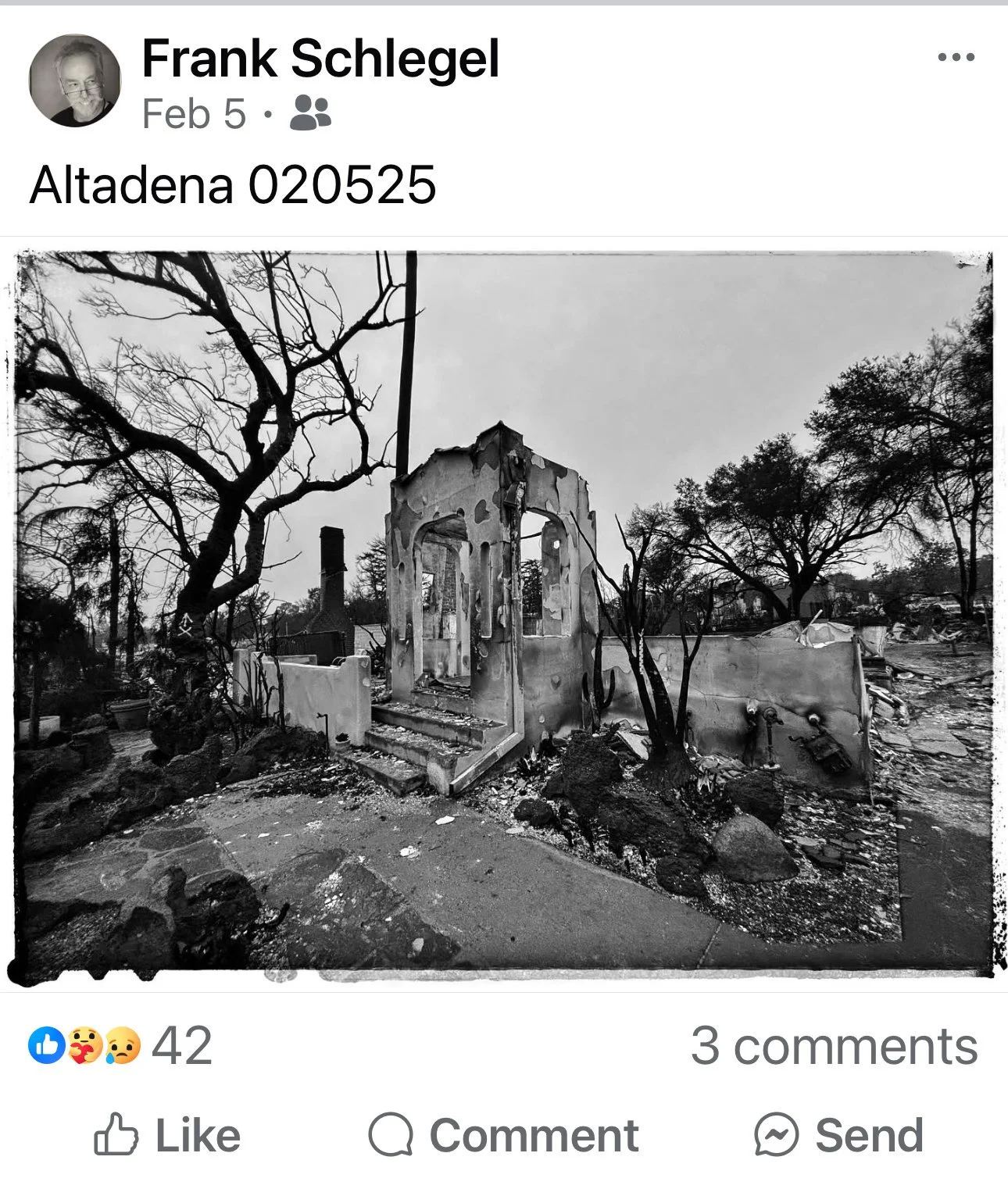
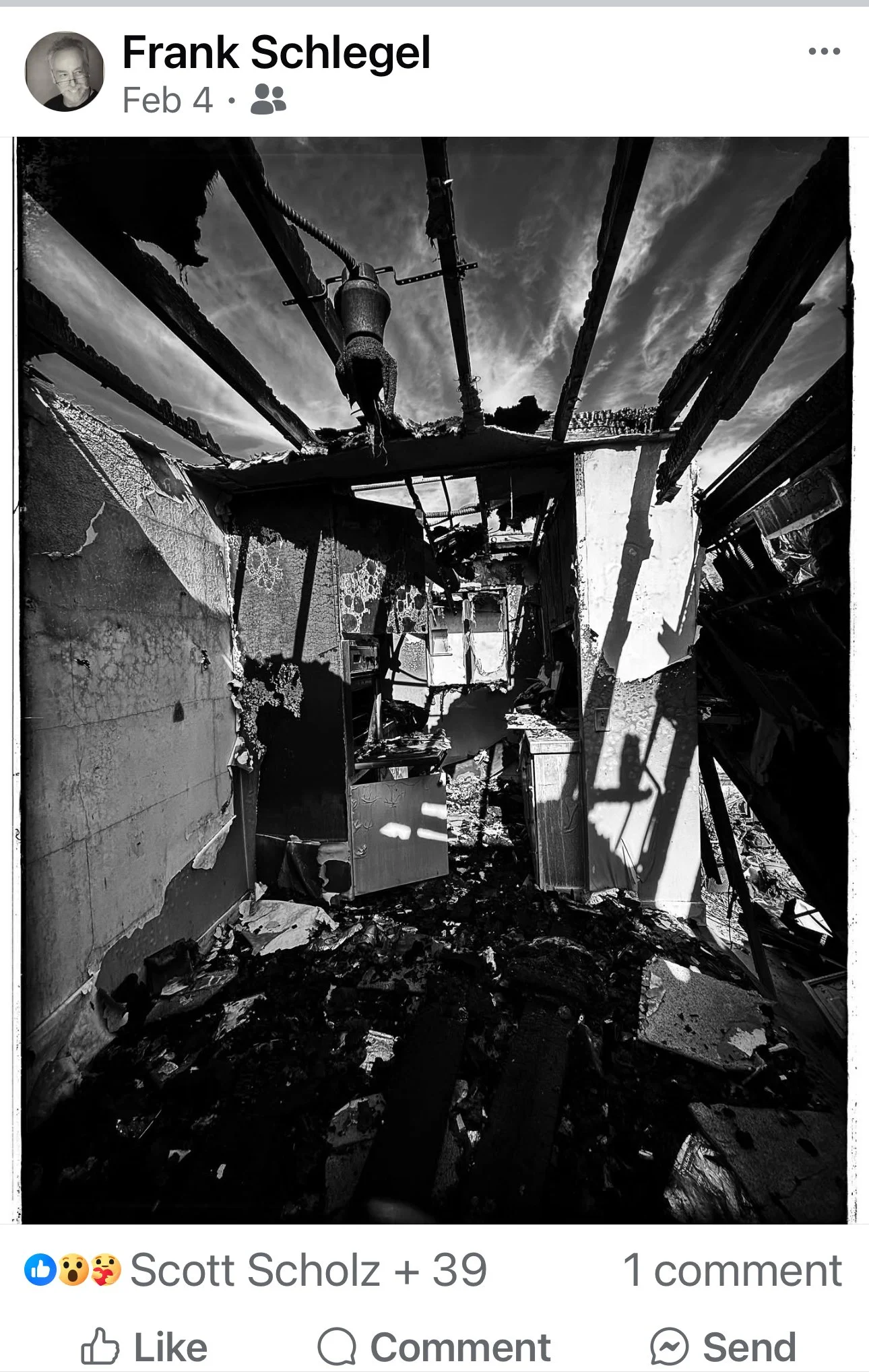
A number of Frank’s friends have stepped up to help him and I have tried to make myself available whenever he wanted to talk. The first couple conversations he really was dealing with the loss, there obviously was some shock still, but he was positive when it came to the task of moving forward. Shortly after the fire had swept through his neighborhood Frank started to photograph the devastation and his images were good, some of his best. I think Frank’s unique perspective was the reason. We talked about his photographs, and it was amazing how Frank was able to use his camera in healing process.
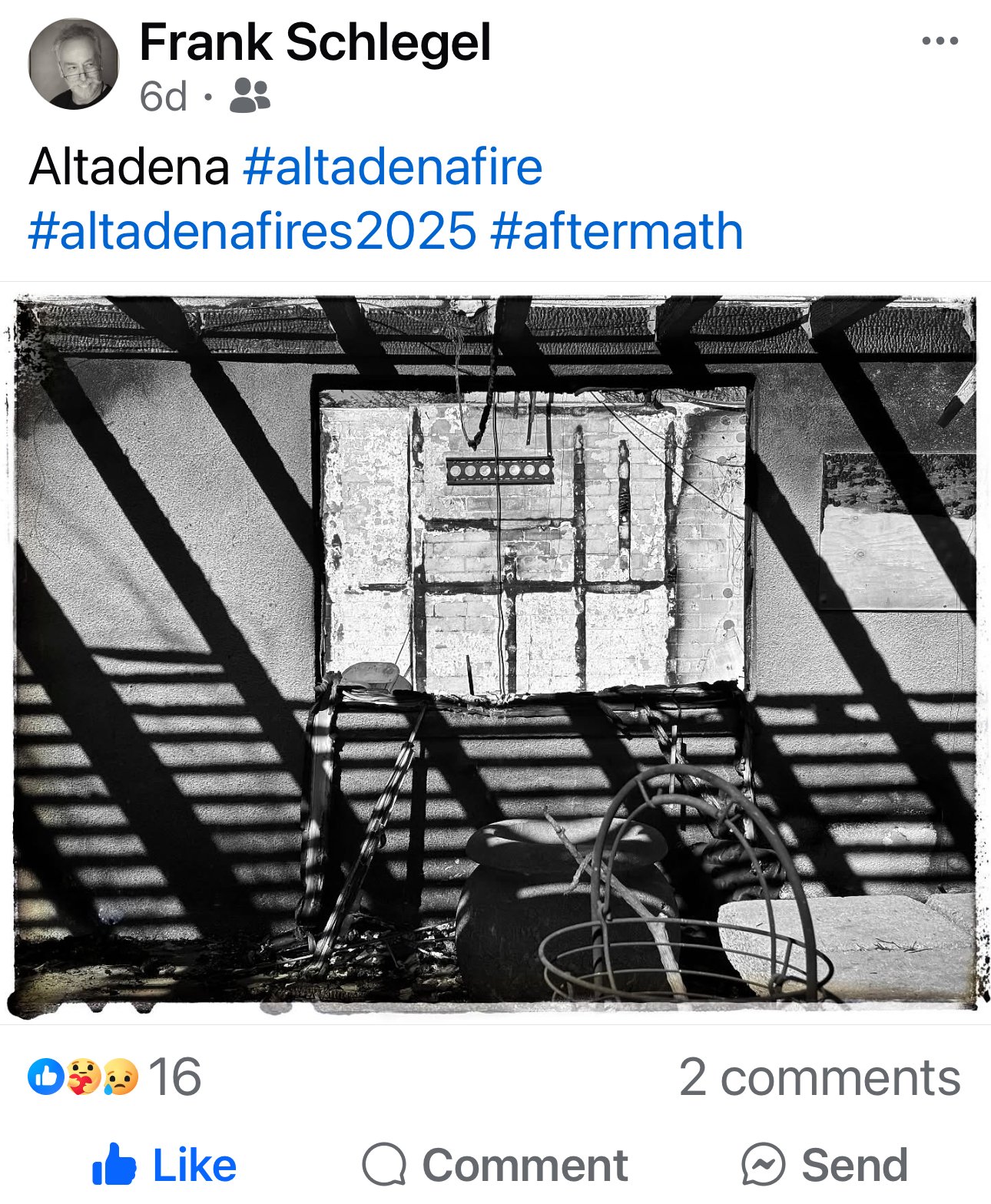
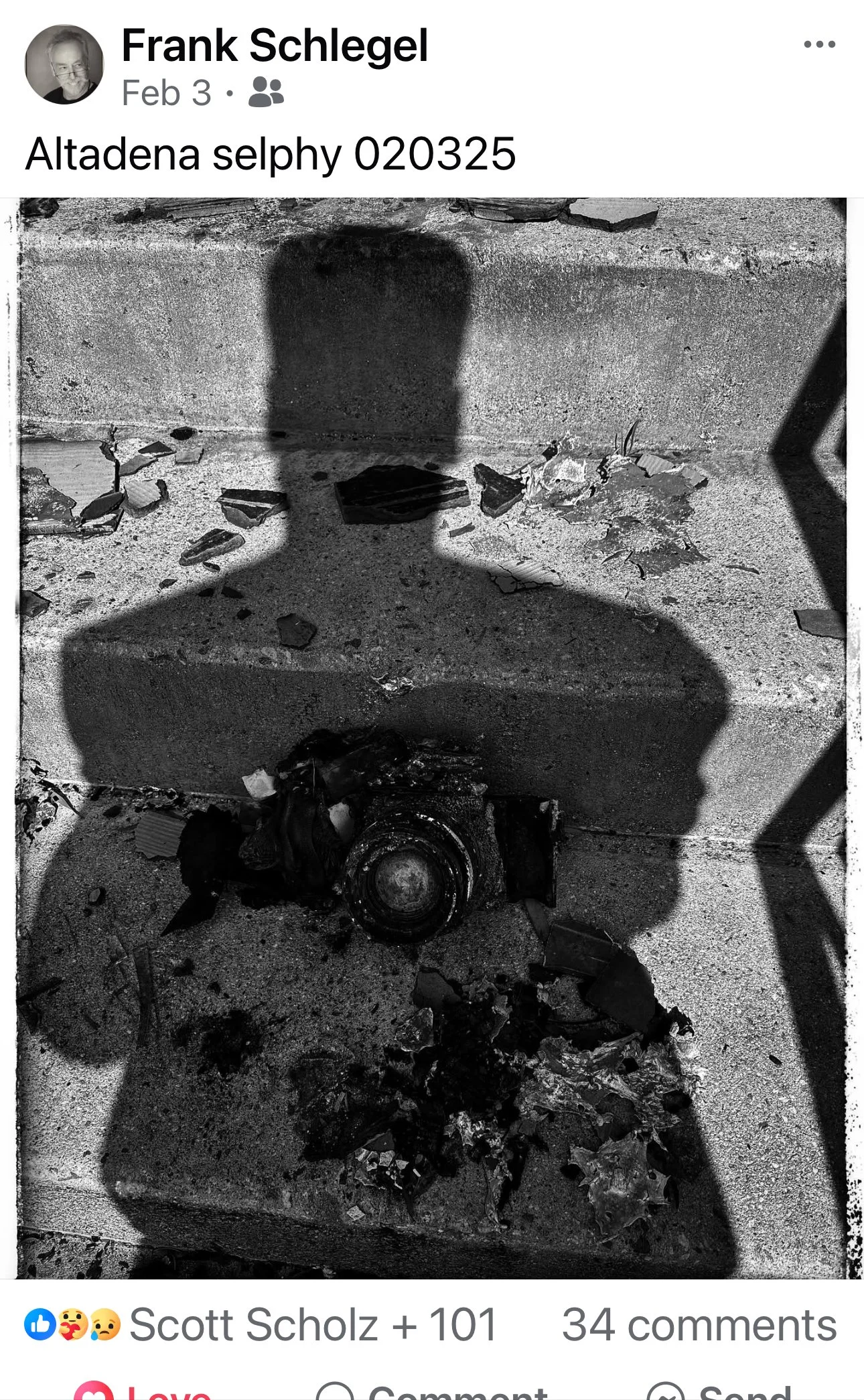
I think many of Frank’s Eaton Fire images are different from of my photographs in that he has really been locating and documenting incredible small details within the devastation. His photographic style or interest often was that way, for instance he loves photographing plant details at the Huntington Library, but the fire damage images are deeper because of his experience. I know my photographs from the Eaton Fire are different, my approach is different, I am photographing in a more methodical approach, almost forensic at times, spending more time in places. Every time I am up there photographing still has an intensity and with some emotional drain. I might be biased but there just seems to be a slight difference with photographs by local photographers who knew the area and ones who have come in from the outside. I know Pulitzer Prize winning photographer Nick Ut lives in Orange County and did an amazing job going from the Palisades Fire to the Eaton Fire in the first 24 hours. Nick is incredible with how much he is able to photograph, especially considering he is retired. Nick did a good job documenting a lot of different things in Altadena, especially the firefight, but he’s a press photographer it’s a different approach. I know Ken Light came down from the Bay Area and photographed both the Palisades and Altadena, but I have only seen a couple photographs from both locations, so I don’t know what his portfolio looks like. He is a good documentary photographer so I am interested to see what he photographed. Anther photographer that has stood out to me with the Eaton Fire is retired Pasadena Star News Photographer Walt Mancini, who was an outstanding local press photographer. I don’t think Walt was out photographing during the height of the fires, which was smart, but he was out the next day and has documented so many important things. The key to his images is he knows that area better than anyone else, and it shows in his images. As a kid and young photographer, I took note of Walt’s photographs in the paper all the time, and I know his images had an impact on my development as a photographer.
I have been trying to get Frank to write something for this blog post, but I know he has been too busy out photographing whenever he wasn’t working so I am still waiting on that. I even stopped by and saw him at Samy’s yesterday and checked in on him, he is doing good. When I get some writings, I will update this post with his words. While I was waiting for my camera sensors to be cleaned, I also talked with Jason Lyman, who manages the Pasadena Samys. Jason shared some interesting insight; he said sales were noticeably higher since the Eaton Fire. He said many customers were affected by the fires and he thought many of them were photographing the aftermath as part of the healing process. Below are screen grabs of some of Frank’s recent images as well as some of the other photographers Eaton Fire images.
UPDATE INFORMATION - On March 13th The Pasadena Weekly wrote an article about the Keychain Project and interviewed Frank. The Eaton Canyon Keychain Project is an art project where they collect keys to create works to memorial the loss of the Eaton Fire. Please check out the link.
Frank Schlegel’s Eaton Fire Portfolio:
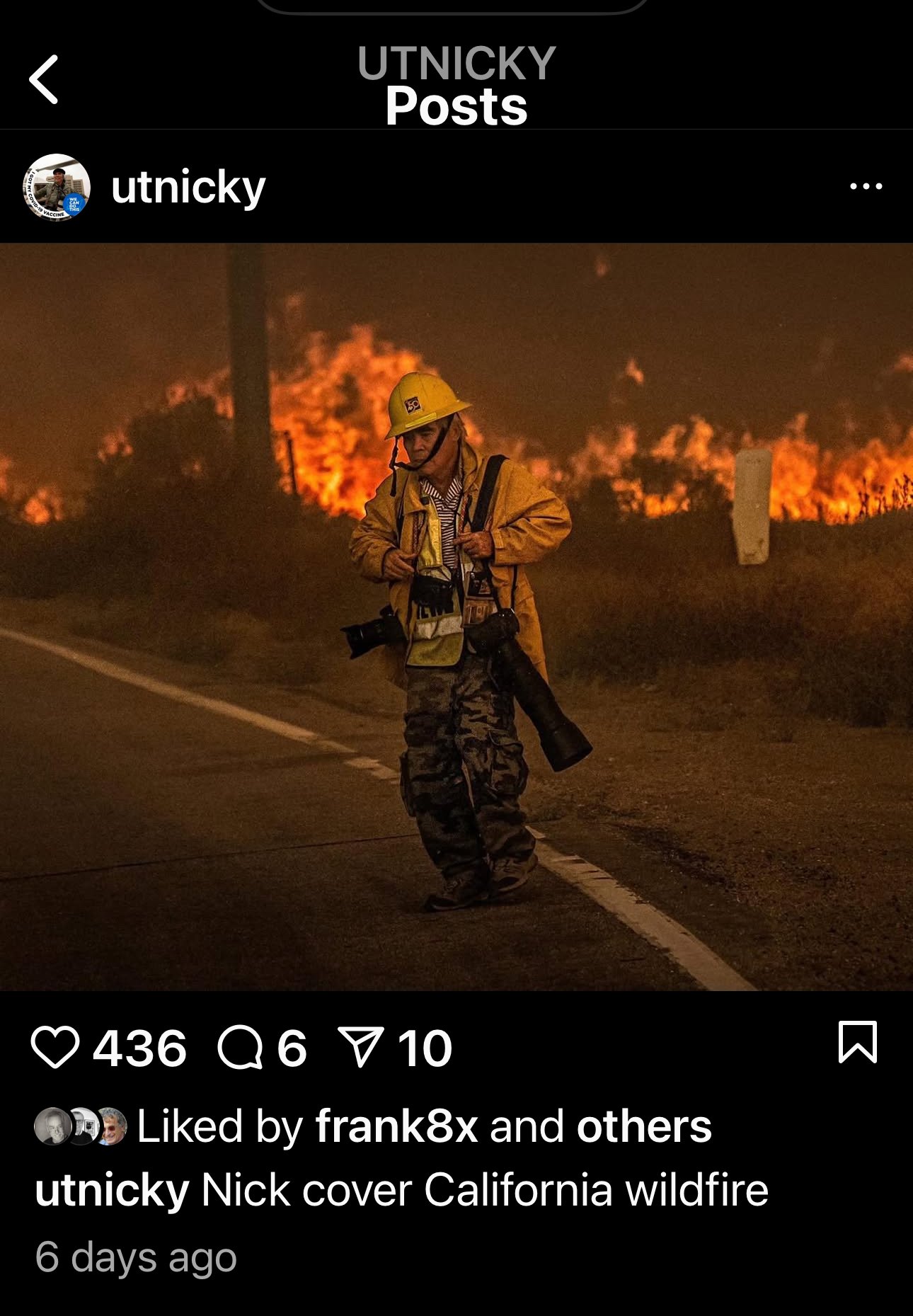
Some of Nick Ut’s photographs are below. I am still amazed that he photographed in the Palisades and was able to make it to the Altadena while the Eaton Fire was still burning. He does am amazing job going to the hard areas to photograph and I have come to really like his selfies to prove he was there.
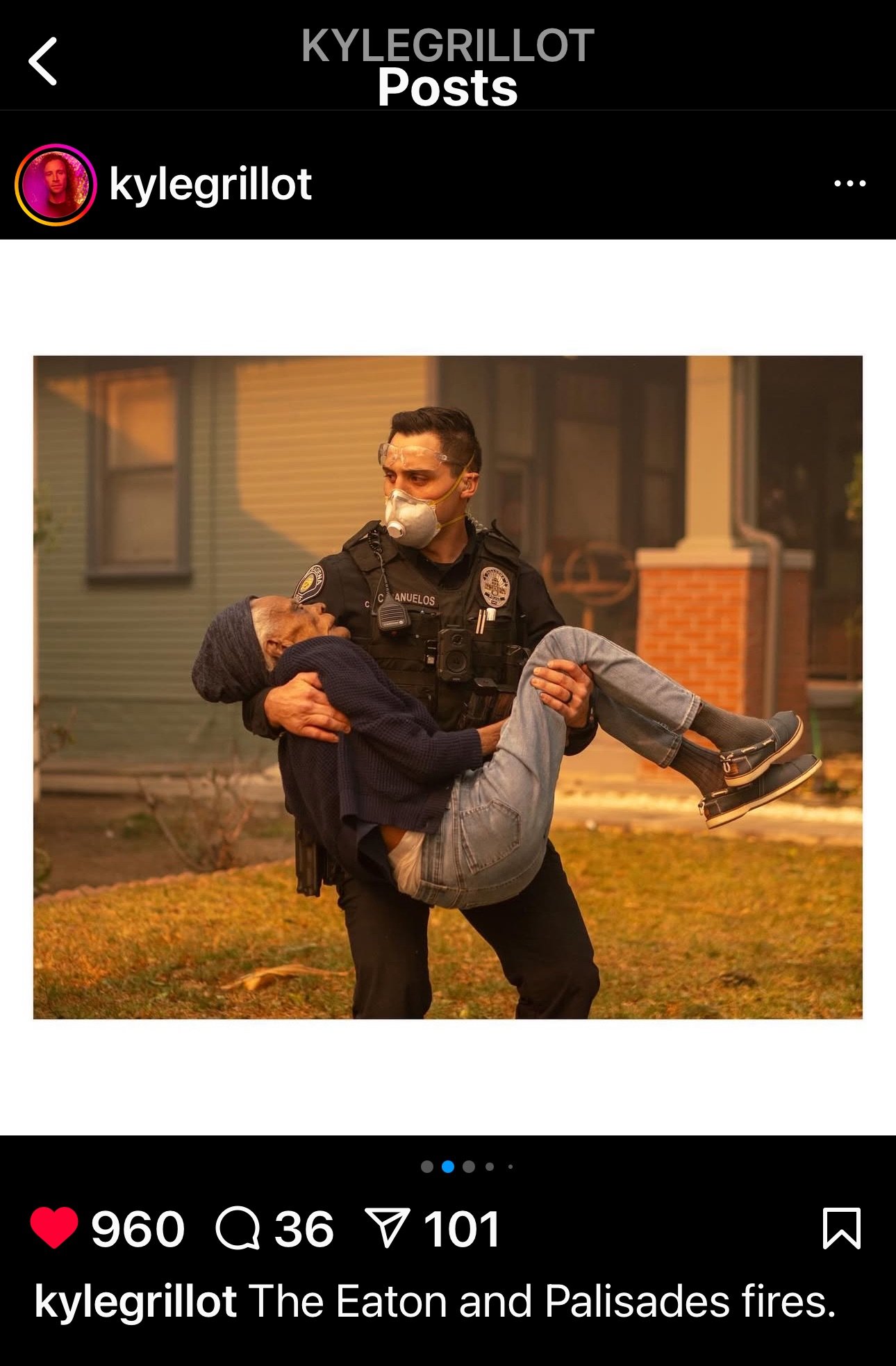
Kyle Grillot is a press photographer who captured one of the most iconic images from the Eaton Fire when he photographed Pasadena PD Officer Banuelos carrying a man to safety in Altadena (See Below), I believe on the morning of 1/8/25. I was not aware of Kyle’s work before seeing this image. He is a graduate of THE Ohio State University, and he has been photographing professionally for fifteen years. He absolutely is willing to go into the danger zone, his fire photographs, when he is in the middle of ember cast or raging flames are incredible. Among others, he photographs for the New York Times. I encourage you to follow him and check out his website. On his website check out the image of a Joshua Tree during the Bob Cat Fire, it is amazing. He was on Instagram @kylegrillot but minutes ago he made a post about Meta and said he was moving to Bluesky’s Flashes so hopefully you can track down his images.
Wally Skalij - Photographer
One last mention, I know Wally Skalij was out in the Palisades Fire, I am not sure if he made it to the Eaton Fire. Wally just announced his retirement from the staff of the Los Angelses Times yesterday. Wally was arguably the best Press Photographer of his era. He is a good documentary photographer, and I look forward to the portfolios he works on going forward now that he can be selective in his topics. He is another photographer who captured amazing images when he ran into the flames.